
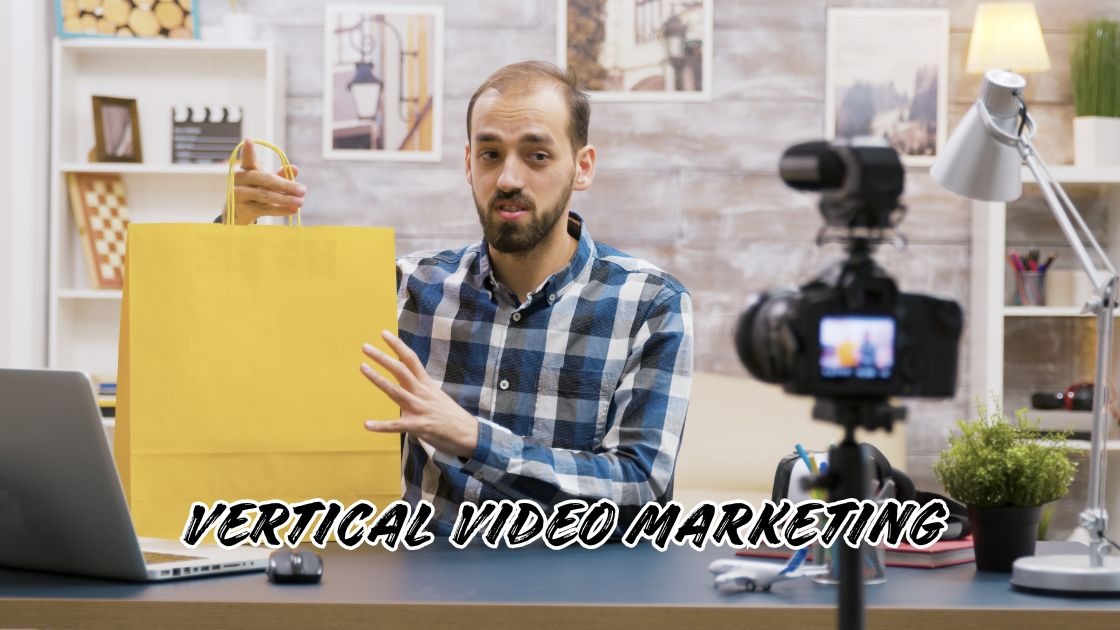
Vertical Video Marketing: The Ultimate Guide to Boost Your Brand
The rise of vertical video marketing has completely transformed how brands connect with audiences on mobile devices. With over 90% of users holding their phones upright while browsing, this format has become essential for capturing attention in today’s fast-scrolling digital landscape.
From TikTok to Instagram Reels and YouTube Shorts, short-form vertical content dominates social media feeds worldwide. Businesses that embrace this mobile-first approach are seeing remarkable improvements in engagement rates, brand awareness, and conversion metrics.
This comprehensive guide explores everything you need to know about creating compelling upright video content. You’ll discover proven strategies for social media storytelling, platform-specific best practices, and actionable tips to maximize your video advertising ROI. Whether you’re a small business owner or marketing professional, these insights will help you master portrait-mode content creation.

What Is Vertical Video Marketing?
Vertical video marketing refers to creating promotional content filmed in portrait orientation, typically with a 9:16 aspect ratio. Unlike traditional horizontal videos designed for television and desktop screens, this format fills the entire smartphone display without requiring users to rotate their devices.
The concept gained momentum when Snapchat introduced disappearing stories in 2013. Since then, major platforms have embraced upright content formats, recognizing that mobile users prefer seamless viewing experiences. Today, brands leverage this approach to deliver immersive, thumb-stopping content that feels native to social media environments.
Why Portrait Mode Content Matters
Modern consumers spend an average of four hours daily on their smartphones. This behavioral shift has made mobile-first video strategies crucial for reaching target audiences effectively. When viewers encounter horizontal content on their phones, they often scroll past rather than rotating their screens.
The Importance of Vertical Video Marketing for Brands
Understanding why vertical video marketing deserves your attention helps justify investment in this content format. The statistics speak volumes about its effectiveness in today’s digital ecosystem.
Higher Engagement Rates
Portrait videos consistently outperform landscape alternatives across social platforms. Instagram reports that vertical stories receive 78% more views than horizontal counterparts. This increased visibility translates directly into better brand recognition and customer interaction.
Improved Mobile User Experience
Creating content that matches how people naturally hold their devices removes friction from the viewing process. Seamless experiences keep audiences engaged longer, increasing the likelihood of message retention and desired actions.
Platform Algorithm Preferences
Social media algorithms favor native content formats. Platforms like TikTok, Instagram Reels, and YouTube Shorts prioritize vertical video marketing content in their recommendation systems, giving brands better organic reach opportunities.
Key Benefits of Vertical Video Strategies
Implementing portrait-oriented content offers numerous advantages for businesses across industries.
- Full screen immersion captures complete attention without competing visual distractions surrounding your content
- Cost effective production requires minimal equipment since smartphones produce professional quality vertical footage
- Faster content creation enables brands to publish timely, relevant material responding to trends quickly
- Stronger emotional connections develop through intimate, personal feeling formats that mirror video calls and selfies
- Cross platform versatility allows repurposing single videos across multiple social channels effortlessly
How Vertical Video Marketing Works
Understanding the mechanics behind successful upright content helps brands create more effective campaigns. The process involves strategic planning, thoughtful execution, and continuous optimization.
Planning Your Content Strategy
Before filming, identify your target audience and preferred platforms. Each social channel has unique specifications, audience demographics, and content expectations. TikTok users expect entertaining, trend-driven material, while LinkedIn audiences prefer educational, professional content.
Research competitors and industry leaders to understand what resonates within your niche. Analyze successful vertical video marketing campaigns for inspiration while developing your unique brand voice.
Production Best Practices
Creating compelling portrait content requires attention to specific technical and creative elements.
- Frame subjects centrally since cropping affects visibility on different platforms
- Use bold, readable text overlays that remain visible on smaller screens
- Capture attention within the first three seconds before viewers scroll away
- Include captions because most users watch videos without sound initially
- Maintain consistent branding through colors, fonts, and visual style
Distribution and Optimization
Publishing represents only half the equation. Successful brands optimize posting times based on audience activity patterns. They test different content lengths, hooks, and calls to action to identify winning formulas.
Challenges in Vertical Video Marketing
Despite its advantages, vertical video marketing presents certain obstacles brands must navigate carefully.
Creative Limitations
The narrow frame restricts composition options compared to widescreen formats. Showcasing multiple products, group scenes, or landscape environments becomes more challenging within portrait boundaries.
Platform Dependency
Heavy reliance on specific social platforms creates vulnerability. Algorithm changes or declining platform popularity can significantly impact reach and engagement metrics overnight.
Content Saturation
As more brands adopt short-form vertical strategies, standing out becomes increasingly difficult. Creating truly distinctive, memorable content requires greater creativity and resources.

Tips for Successful Implementation
Maximizing your vertical video marketing results requires strategic thinking combined with creative execution.
Focus on storytelling rather than direct selling. Audiences respond better to narratives that entertain or educate while subtly incorporating brand messages. Authentic, relatable content consistently outperforms polished, overly promotional material.
Experiment with emerging features like interactive stickers, polls, and shopping integrations. These tools boost engagement while providing valuable audience insights for future campaigns.
Conclusion
Vertical video marketing has become an indispensable tool for brands seeking meaningful connections with mobile-first audiences. Throughout this guide, we explored how portrait-oriented content delivers higher engagement rates, improved user experiences, and better algorithm performance across social media platforms.
Success in this space requires understanding your target audience, creating authentic short-form content, and consistently optimizing your approach based on performance data. While challenges like creative limitations and content saturation exist, the benefits far outweigh these obstacles.
Brands that embrace vertical video marketing today position themselves for sustained growth in an increasingly mobile-dominated digital landscape. Start creating compelling upright content and watch your engagement soar.