The Future of Retail: Personalized Shopping AI Driving Intelligent Consumer Experiences
In today’s rapidly evolving retail landscape, personalized shopping AI is transforming how brands connect with consumers, creating experiences that feel uniquely tailored to every individual. From customer behavior analytics to recommendation engines, retailers are leveraging intelligent tools to predict preferences, boost engagement, and enhance satisfaction. This article explores how machine learning algorithms, predictive analytics, and smart product recommendations are shaping the future of e-commerce. You will also discover strategies for integrating AI-driven personalization into online platforms, optimizing shopping experiences, and driving higher conversion rates. By the end, readers will understand how adopting these cutting-edge technologies can revolutionize retail operations and deliver truly intelligent, consumer-focused experiences that outperform traditional approaches.
Understanding Personalized Shopping AI
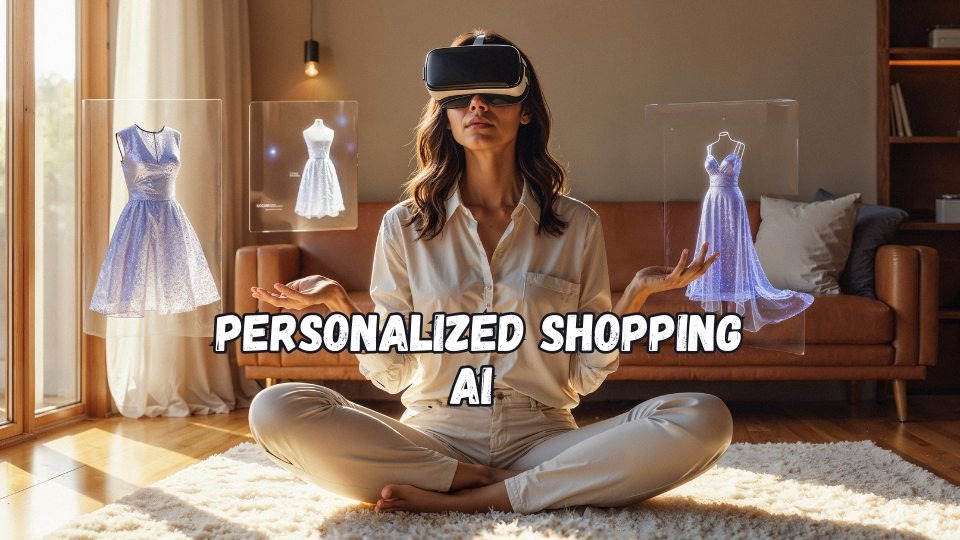
Personalized shopping AI refers to artificial intelligence technologies that tailor the shopping experience for individual consumers. Unlike traditional recommendation systems, this technology analyzes customer data, shopping behavior, and preferences to provide highly relevant product suggestions. By understanding unique user patterns, businesses can deliver experiences that feel intuitive and engaging. This approach not only enhances user satisfaction but also drives higher engagement and loyalty for e-commerce platforms.
The Evolution of Personalized Shopping AI
Early Developments in Retail Technology
In the early 2000s, online retailers began using basic recommendation engines that suggested products based on past purchases. These systems relied on simple algorithms and often provided generic suggestions with limited personalization.
Rise of Machine Learning
With machine learning advancements, personalized shopping AI evolved into more sophisticated solutions. Algorithms started predicting customer preferences by analyzing large datasets, including browsing patterns, demographic information, and purchase history. This shift marked the move from one-size-fits-all marketing to individualized experiences.
Integration with Modern E-Commerce Platforms
Today, personalized shopping AI is integrated seamlessly into websites, mobile apps, and in-store experiences. Retailers now combine AI with predictive analytics, natural language processing, and computer vision to provide a comprehensive understanding of customer behavior.
Key Benefits of Personalized Shopping AI
- Improved Customer Engagement: Personalized recommendations encourage users to interact more frequently. Shoppers feel understood, strengthening loyalty.
- Higher Conversion Rates: Presenting products that match individual preferences increases the likelihood of purchase. Cross-selling and upselling also improve.
- Efficient Marketing Campaigns: AI identifies customer segments with specific interests, enabling more effective targeting and reducing marketing costs.
- Enhanced Product Discovery: Users discover new products through suggestions based on style, previous purchases, or browsing behavior.
- Data-Driven Insights: Retailers gain insights into customer preferences, seasonal trends, and emerging behaviors, helping product development decisions.
Importance of Personalized Shopping AI
Enhancing Customer Experience
This technology allows retailers to provide relevant product recommendations, promotional offers, and content based on user behavior. It reduces frustration and helps customers discover products that truly match their needs.
Driving Business Growth
Understanding customer preferences helps businesses increase conversion rates, encourage repeat purchases, and enhance revenue. AI-driven personalization also reduces cart abandonment by showing products aligned with shopper intent.
Staying Competitive
In today’s competitive market, offering a tailored shopping experience is essential. Companies adopting personalized shopping AI gain a significant advantage over competitors using generic marketing strategies.
Leveraging AI for Enhanced Loyalty Programs
Retailers are increasingly using shopping AI to create smarter loyalty programs that reward individual behavior. By analyzing purchase history, browsing patterns, and engagement metrics, AI can suggest customized offers, discounts, or product bundles that resonate with each customer. This level of personalization not only increases repeat purchases but also strengthens brand loyalty and customer satisfaction. For example, fashion brands can offer style-based recommendations as rewards, while grocery platforms can suggest frequently bought items at discounted prices. Implementing AI-driven loyalty initiatives ensures that customers feel valued, encouraging long-term engagement and higher lifetime value.
Challenges in Implementing Personalized Shopping AI
- Data Privacy Concerns: Collecting and analyzing user data can raise privacy issues. Compliance with GDPR is essential.
- Algorithm Bias: AI systems can reflect biases from training data, resulting in skewed recommendations.
- Technical Complexity: Implementing AI requires expertise in data management, algorithm optimization, and system integration.
- Cost and Resource Constraints: Smaller retailers may struggle due to high implementation costs and limited resources.
- Balancing Automation and Human Touch: Human oversight ensures authenticity and addresses complex customer needs.
Real-World Examples:
E-Commerce Giants
Amazon extensively uses personalized shopping AI to recommend products based on browsing history, purchases, and similar user behavior. These suggestions contribute significantly to revenue.
Fashion Retail
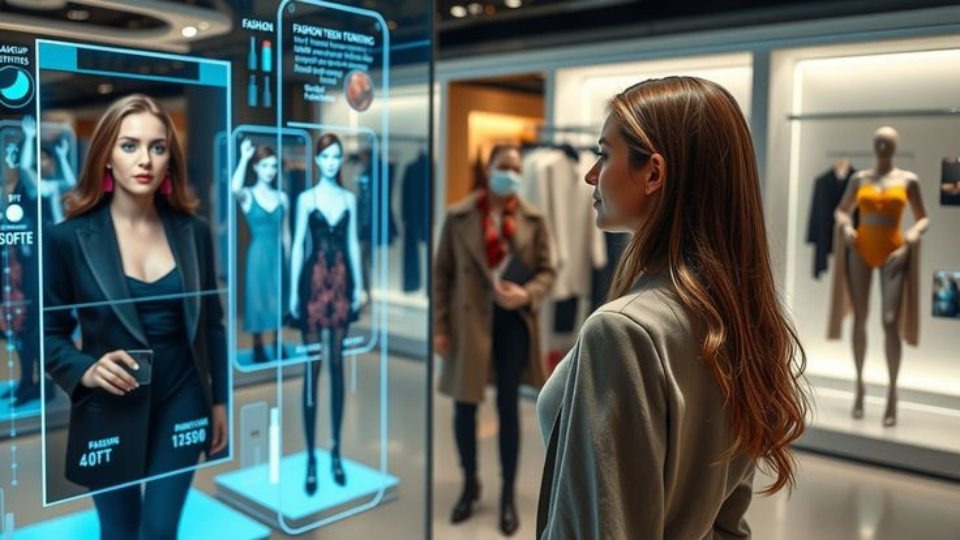
Stitch Fix uses AI algorithms to suggest outfits tailored to individual styles. Combining user input with predictive analytics enhances personalization.
Grocery and Food Delivery
Platforms like Instacart and Uber Eats suggest items based on previous orders, dietary preferences, and seasonal trends.
Small and Medium Retailers
Even smaller businesses can implement AI solutions to recommend products, optimize email campaigns, and analyze customer behavior efficiently.
Future Prospects:
The future of retail will rely heavily on personalized shopping AI to meet consumer expectations. Innovations like voice-based recommendations, augmented reality shopping, and hyper-personalized loyalty programs are expected to reshape how consumers interact with brands. Retailers adopting these technologies will anticipate needs, improve engagement, and create long-term customer relationships.
Conclusion:
In conclusion, personalized shopping AI is transforming the retail landscape by offering tailored experiences that meet individual consumer preferences. By leveraging tools such as predictive analytics, recommendation engines, and customer behavior insights, retailers can enhance engagement, boost conversion rates, and drive business growth. Despite challenges like data privacy and algorithm bias, adopting these technologies provides significant advantages in a competitive market. As e-commerce continues to evolve, integrating it and AI-driven personalization strategies will be essential for delivering intelligent, efficient, and satisfying shopping experiences that keep customers coming back.