
Advanced Mobile Checkout Optimization Methods Every E-commerce Store Must Implement Today
In today’s fast-paced e-commerce world, mobile checkout optimization is critical for turning casual visitors into loyal customers. Streamlining the checkout experience not only reduces cart abandonment but also boosts conversion rates and enhances overall user experience. This article dives deep into proven strategies that every online store can implement, covering aspects like responsive design, fast payment gateways, one-click purchasing, and secure transaction methods. You’ll also discover how to leverage personalized checkout flows and mobile-friendly interfaces to keep your customers engaged and satisfied. By the end, you’ll have actionable insights to optimize your mobile checkout process, increase sales, and build trust with shoppers while staying ahead in a competitive e-commerce landscape.
Understanding Mobile Checkout Optimization
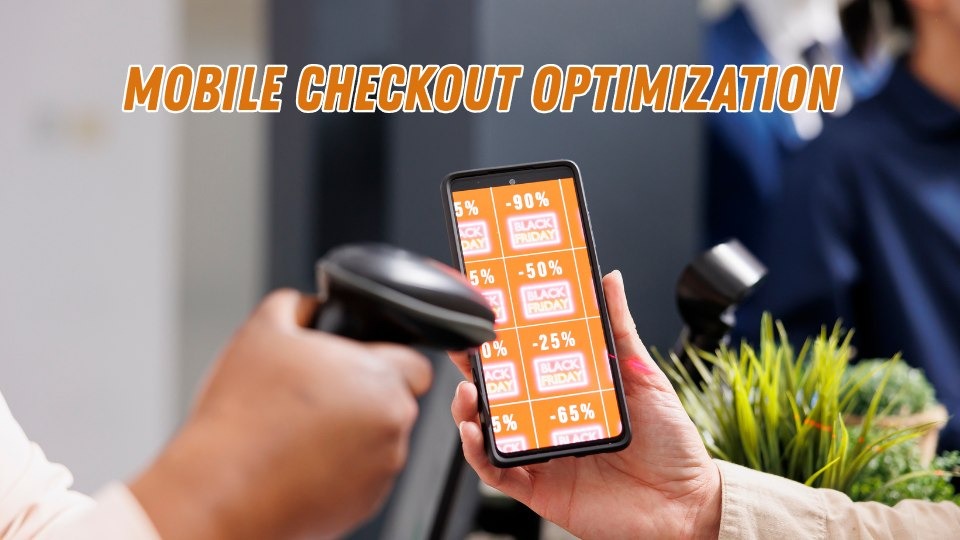
Mobile checkout optimization is the process of improving the purchasing experience for users on smartphones and tablets. As more customers shop via mobile devices, businesses are realizing the importance of designing checkout flows that are simple, fast, and reliable. The goal is to reduce friction, prevent cart abandonment, and increase conversion rates. Historically, online retailers focused primarily on desktop experiences, often neglecting mobile users. With the rise of mobile commerce, optimizing the checkout process has become a central aspect of digital strategy.
Background of Mobile Commerce
The evolution of mobile commerce began with the growth of smartphones and mobile internet. Early mobile shopping experiences were slow, with complex forms and multiple steps that frustrated users. Over the years, advancements in mobile technology, secure payment gateways, and responsive web design transformed the way users interact with e-commerce platforms. Today, mobile checkout optimization is not just a convenience but a necessity for competitive online stores.
Importance:
Optimizing mobile checkout is crucial for enhancing user experience, boosting revenue, and building customer loyalty. Mobile shoppers expect fast-loading pages, intuitive navigation, and easy-to-complete purchases. Businesses that fail to meet these expectations often experience high cart abandonment rates and lost revenue opportunities. On the other hand, stores that focus on seamless mobile checkout can outperform competitors and establish trust with customers.
Key Benefits of Mobile Checkout Optimization
- Higher conversion rates
- Reduced cart abandonment
- Improved user satisfaction
- Increased repeat purchases
- Stronger brand reputation
Implementing mobile checkout strategies allows businesses to capture more sales while creating a smooth and enjoyable shopping experience. It also helps retailers gather valuable insights into customer behavior, enabling more effective marketing and personalization.
Enhanced User Experience
A major advantage of mobile checkout optimization is improved user experience. By minimizing unnecessary steps and simplifying payment forms, customers can complete purchases quickly. Features like one-click purchasing, auto-filled forms, and mobile-friendly payment gateways make transactions faster and more convenient. An intuitive interface also reduces frustration, encouraging customers to return for future purchases.
Boosted Conversion Rates
Mobile checkout optimization directly impacts conversion rates. Streamlined processes reduce the likelihood of customers abandoning carts mid-purchase. For example, implementing a progress indicator, showing available payment options clearly, and providing multiple secure payment methods can significantly increase the chances of completing a sale.
Challenges in Mobile Checkout Optimization
Despite its benefits, optimizing mobile checkout comes with challenges. Businesses must consider technical, design, and user behavior factors to create an effective process.
Common Obstacles
- Slow page loading due to heavy graphics or poorly coded websites
- Complex forms requiring too much information from users
- Limited payment options reducing customer convenience
- Lack of mobile-responsive design leading to poor navigation
- Security concerns preventing customers from completing transactions
Addressing these challenges requires a combination of design improvements, technical upgrades, and ongoing testing to ensure the checkout experience is seamless and reliable.
Strategies for Effective Mobile Checkout Optimization
Simplifying the Checkout Flow
One of the most effective strategies is simplifying the checkout process. Reducing the number of steps and providing clear instructions ensures users can complete purchases efficiently. Businesses can:
- Implement one-page checkout for faster transactions
- Use auto-fill to minimize manual input
- Display progress indicators to guide users
- Allow guest checkout to avoid mandatory account creation
- Highlight essential information like shipping costs upfront
Ensuring Mobile-Friendly Design
A responsive and mobile-friendly interface is critical. Pages must adjust to different screen sizes and remain easy to navigate. Touch-friendly buttons, readable fonts, and fast-loading pages contribute to a smoother experience.
Leveraging Secure Payment Gateways
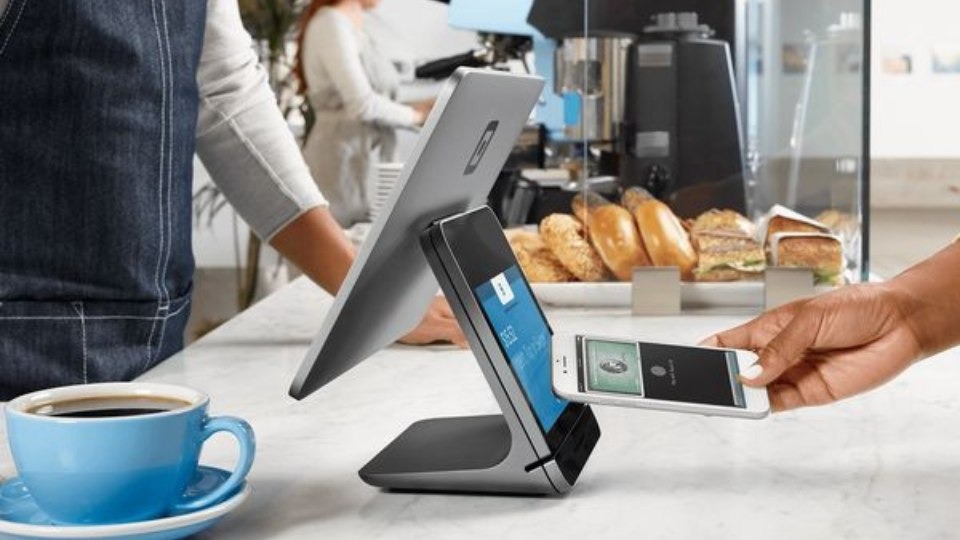
Trust is a key factor in mobile commerce. Offering multiple secure payment methods, including digital wallets and credit cards, ensures customers feel safe during checkout. Businesses should also clearly communicate security measures to reassure users.
Personalization and Recommendations
Personalized checkout flows enhance the shopping experience. By suggesting relevant products, offering discounts, or pre-filling information based on previous purchases, businesses can increase engagement and sales. Analytics tools can help identify patterns and optimize the process further.
Real-World Examples of Mobile Checkout Optimization
Many leading e-commerce platforms have successfully implemented mobile checkout optimization. For instance, Amazon’s one-click purchasing reduces friction, while Shopify stores often use simplified checkout pages to increase conversions. Smaller retailers that focus on responsive design and multiple payment options also report higher customer satisfaction and repeat purchases.
Measuring the Impact
Tracking the effectiveness of mobile checkout optimization involves monitoring metrics like conversion rates, cart abandonment, and user behavior. A/B testing different checkout layouts, payment options, and call-to-action placements can provide valuable insights for continuous improvement.
Conclusion:
Mobile checkout optimization plays a vital role in enhancing the shopping experience, reducing cart abandonment, and increasing conversion rates. By implementing strategies like simplified checkout flows, responsive design, secure payment gateways, and personalized experiences, e-commerce stores can significantly boost user satisfaction and customer loyalty. Businesses that prioritize mobile checkout improvements stay competitive while building trust with their audience. Measuring performance through analytics and continuously refining the process ensures long-term success. Optimizing mobile transactions is no longer optional but essential for any retailer aiming for growth in the mobile-driven commerce landscape.