How to Take a Calculated Risk in Business Without Losing Everything You Built
Every successful entrepreneur knows that taking a calculated risk in business separates thriving companies from those that simply survive. Yet the fear of losing years of hard work keeps many business owners stuck in a comfort zone that slowly kills growth.
The truth is that smart risk-taking isn’t about gambling with your future. It’s about strategic decision making, thorough risk assessment, and knowing exactly when opportunity outweighs potential downside. Whether you’re considering a major investment, launching a new product line, or expanding into unfamiliar markets, understanding how to evaluate business opportunities can protect everything you’ve built while opening doors to remarkable growth.
This guide walks you through proven frameworks for risk management, helping you make confident decisions that fuel business growth without jeopardizing your hard-earned success.
Understanding What Calculated Risk in Business Really Means
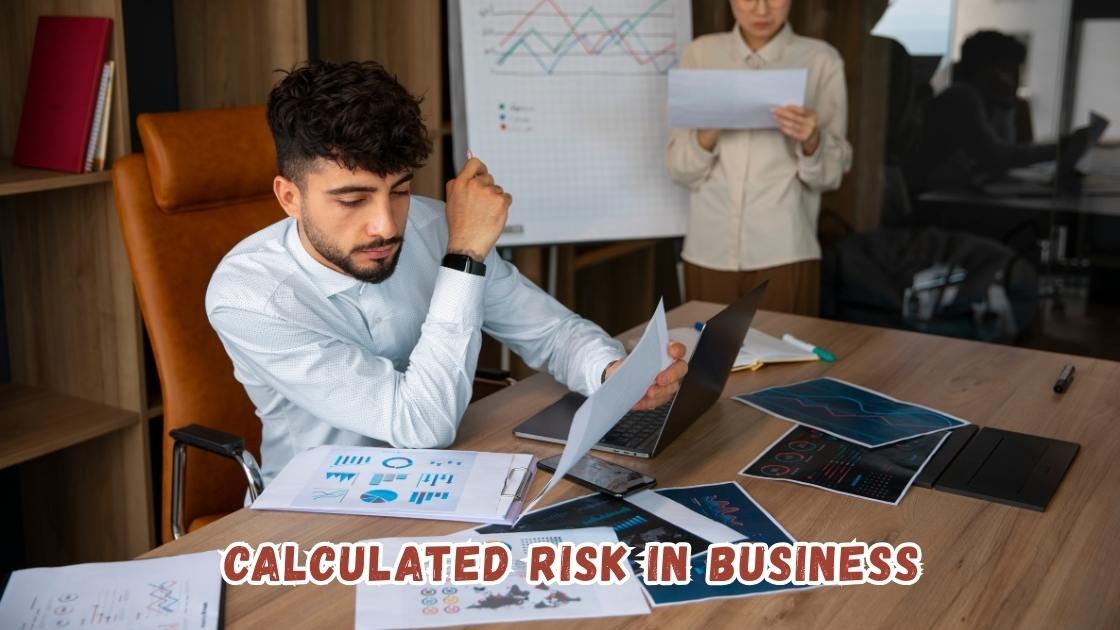
A calculated risk in business refers to a decision made after carefully analyzing potential outcomes, weighing benefits against possible losses, and preparing contingency plans. Unlike reckless gambling, this approach involves data driven analysis, market research, and strategic planning before committing resources.
Business leaders who master this skill understand that standing still poses its own dangers. Markets evolve, competitors advance, and customer expectations shift constantly. The real question isn’t whether to take risks but how to take them intelligently.
The Difference Between Reckless and Strategic Risk Taking
Reckless decisions happen when entrepreneurs act on gut feelings without proper research. Strategic risk taking, however, involves thorough evaluation of every variable. Smart business owners gather information, consult experts, test assumptions, and create backup plans before moving forward.
Why Taking Calculated Risks Matters for Business Success
Every major business breakthrough in history resulted from someone willing to step beyond the familiar. Companies like Apple, Amazon, and Tesla grew because their founders embraced calculated risk in business as a core strategy rather than something to avoid.
Growth Requires Stepping Outside Comfort Zones
Staying comfortable feels safe but guarantees stagnation. When you refuse to explore new opportunities, competitors who embrace smart risk taking will eventually overtake your position. Sustainable business growth demands continuous evolution and willingness to try innovative approaches.
Building Competitive Advantage Through Strategic Decisions
Organizations that consistently make well researched risky decisions often gain first mover advantages in emerging markets. This strategic positioning creates barriers that protect market share and establish industry leadership.
How to Evaluate Business Opportunities Before Committing
Taking a calculated risk in business starts with proper evaluation. Before investing time, money, or reputation into any venture, smart entrepreneurs follow systematic assessment processes.
Conducting Thorough Risk Assessment
Effective risk assessment examines both quantitative and qualitative factors. Consider financial implications, market conditions, resource requirements, and timing. Understanding what could go wrong helps you prepare appropriate responses.
Key Questions to Ask Before Any Major Decision
- What is the worst case scenario and can my business survive it?
- What evidence supports the potential success of this opportunity?
- Do I have the resources and expertise needed to execute properly?
- What is the realistic timeline for seeing returns on this investment?
- How does this align with my long term business vision and goals?
Analyzing Potential Return on Investment
Every calculated risk in business should offer proportional rewards. Small potential gains rarely justify significant exposure. Evaluate whether the upside genuinely compensates for what you might lose.
Steps to Take Calculated Risks Without Jeopardizing Your Business
Following a structured process transforms scary decisions into manageable strategic moves. This framework helps entrepreneurs approach opportunities with confidence rather than anxiety.
Step One: Gather Comprehensive Data and Information
Never rely solely on intuition. Collect market research, financial projections, customer feedback, and industry analysis. The more information you have, the clearer your decision becomes.
Step Two: Consult Trusted Advisors and Mentors
Experienced perspectives reveal blind spots you might miss. Seek input from accountants, industry veterans, and business mentors who have navigated similar situations. Their insights often prove invaluable.
Step Three: Start Small and Test Your Assumptions
Rather than betting everything at once, consider pilot programs or limited launches. Testing ideas on smaller scales provides real world feedback while limiting potential losses.
Step Four: Create Contingency Plans for Multiple Scenarios
Prepare responses for various outcomes before taking action. Knowing exactly what you’ll do if things go wrong reduces panic and enables faster recovery.
Common Mistakes When Taking Calculated Risks in Business
Even experienced entrepreneurs sometimes stumble when pursuing new opportunities. Recognizing common pitfalls helps you avoid them.
- Letting emotions override objective analysis and factual data
- Ignoring warning signs because you want the opportunity to work
- Failing to set clear boundaries on acceptable losses before starting
- Moving too slowly and missing the optimal window for action
- Neglecting to communicate risk strategies with key team members

Practical Tips for Building Risk Taking Confidence
Developing comfort with calculated risk in business takes practice. Start with smaller decisions that carry limited consequences. Each successful experience builds confidence for larger opportunities.
Document your decision making process and review outcomes regularly. Learning from both successes and failures sharpens your judgment over time. Remember that even unsuccessful ventures teach valuable lessons that inform future choices.
Conclusion
Mastering calculated risk in business transforms how you approach growth opportunities and strategic decisions. By conducting thorough risk assessment, gathering reliable data, consulting experienced advisors, and creating solid contingency plans, you protect what you’ve built while pursuing meaningful expansion.
Remember that smart risk taking isn’t about avoiding decisions that feel uncomfortable. It’s about making informed choices that balance potential rewards against acceptable losses. Every successful entrepreneur has faced moments requiring courage backed by careful analysis.
Start applying these principles today. Your ability to take a calculated risk in business wisely will determine your company’s future trajectory and long term success.