When I first decided to get a contactless machine for small business operations at my local store, I had no idea how much it would change the way I handle everyday sales. Like many small business owners, I was stuck with outdated cash registers and slow card swiping methods that frustrated both me and my customers. The shift felt risky, but looking back, it was one of the smartest decisions I ever made.
In today’s fast-moving digital economy, customers expect quick and seamless tap-to-pay options wherever they shop. Whether it is a neighborhood bakery, a salon, or a retail store, accepting cashless transactions is no longer optional it is essential. I realized this the hard way when I started losing regulars to competitors who offered faster digital payment solutions at their checkout counters.
This article is a detailed walkthrough of my personal journey with a contactless machine for small business use. I will share everything from how I researched and selected the right card payment terminal, to the setup process, the daily challenges I faced, and the surprising benefits I discovered along the way. You will also learn about the costs involved, the NFC payment system technology behind these devices, and practical tips that can save you time and money.
Whether you are thinking about upgrading your small business payment processing setup or simply curious about how contactless technology works in a real-world setting, this guide is written from genuine hands-on experience not recycled manufacturer specs. My goal is to help you make a confident, informed decision without the usual tech jargon or salesy fluff. Let’s dive right in.
What Exactly Is a Contactless Machine for Small Business?
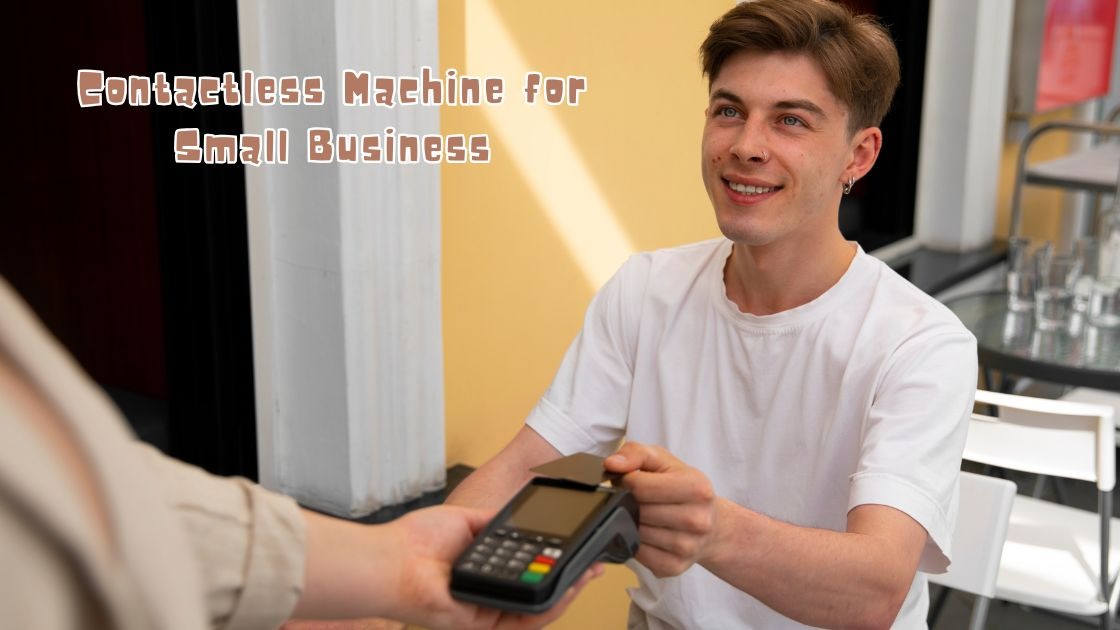
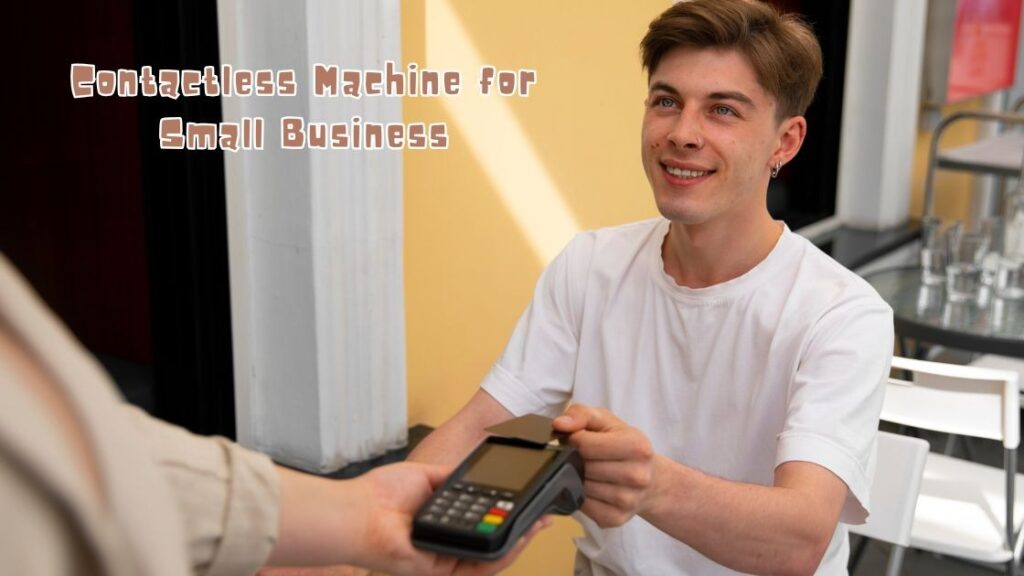
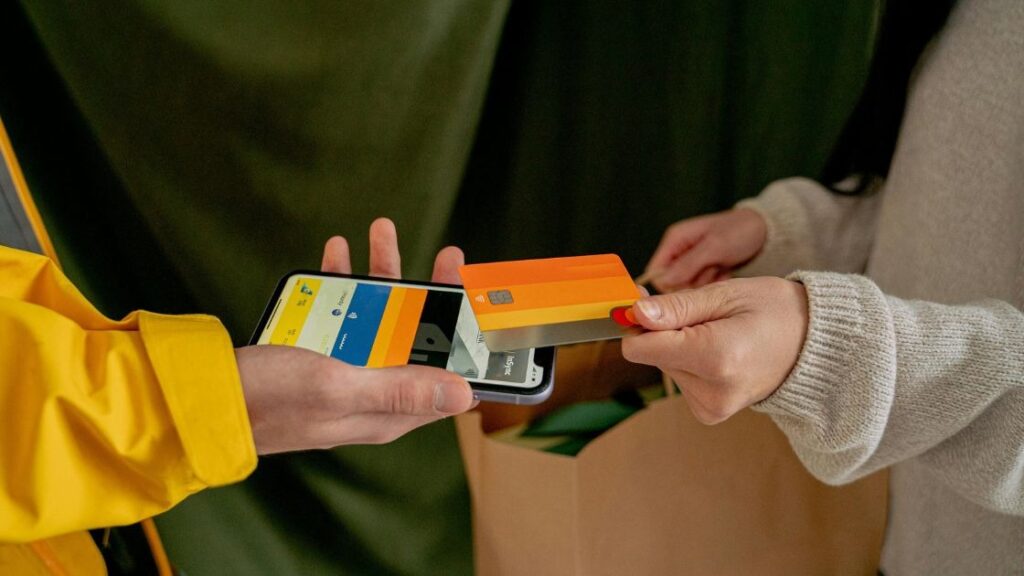
A contactless machine for small business is a compact electronic device that allows merchants to accept payments without requiring customers to insert or swipe their cards. Instead, the buyer simply taps their debit card, credit card, smartphone, or smartwatch near the terminal, and the transaction completes within seconds. The technology behind this process is called Near Field Communication, commonly known as NFC, which enables two devices to exchange data when held close together.
These machines have become incredibly popular over the past few years, especially after the global pandemic pushed businesses toward hygienic and touch free payment methods. For small shop owners, cafes, freelancers, and service providers, having a contactless machine for small business transactions means faster checkouts, happier customers, and a more modern brand image overall.
How Does a Contactless Payment Terminal Work?
Understanding how the device functions helped me feel more confident about using it daily. The process is surprisingly simple. When a customer holds their contactless enabled card or mobile wallet near the contactless machine for small business use, the NFC chip inside the card communicates with the reader. The terminal sends the payment details securely to the payment processor, which then verifies the transaction with the customer’s bank. Within two to three seconds, the payment is either approved or declined, and a digital receipt can be generated instantly.
The Role of NFC Technology
NFC technology operates on a radio frequency that works only within a very short range, usually four centimeters or less. This short range is actually a security feature because it makes unauthorized interception extremely difficult. Combined with encryption and tokenization, every tap payment is well protected, which gave me and my customers real peace of mind.
Why I Chose a Contactless Machine for My Store
Before switching, I relied on a traditional card swipe terminal that was slow and often unreliable. Customers would complain about long wait times, and I noticed that younger buyers in particular preferred shops where they could pay using Apple Pay, Google Pay, or simply tap their bank card. I knew that if I did not upgrade to a contactless machine for small business payments, I would keep falling behind.
The decision also came down to cost. Modern wireless payment terminals are surprisingly affordable, with many providers offering low transaction fees and no long term contracts. For a small business operating on tight margins, that flexibility made a huge difference.
Key Features That Impressed Me
After testing several devices over a few months, I found that certain features stood out as truly essential for daily operations.
- Fast transaction speed that processes payments in under three seconds
- Portable and wireless design allowing me to accept payments anywhere in the store
- Compatibility with mobile wallets including Apple Pay, Google Pay, and Samsung Pay
- Built in receipt options through email, SMS, or printed slips
- Real time sales tracking through a connected dashboard on my phone
These features made the contactless machine for small business use feel like a genuine upgrade rather than just a trendy gadget.
Types of Contactless Machine for Small Business
Not every terminal is the same, and choosing the right one depends on your specific business needs. During my research, I came across several categories worth knowing about.
Countertop Terminals
These are fixed devices placed at the checkout counter. They connect through Wi-Fi or Ethernet and are ideal for retail shops, bakeries, and restaurants with a dedicated billing area. They are sturdy and reliable for high volume daily transactions.
Mobile Card Readers
These small portable readers connect to a smartphone or tablet via Bluetooth. They are perfect for freelancers, market vendors, and home service providers who need a lightweight contactless machine for small business operations on the go. I personally started with one of these before upgrading. To dive deeper into effective mobile payment systems and business growth strategies, check out the complete expert guide to mobile payment for small business.
Smart POS Systems
Smart POS devices combine a contactless payment terminal with inventory management, customer analytics, and employee tracking. They are a bit more expensive but offer an all in one solution for growing businesses that want deeper insight into their sales data.
Benefits I Experienced Firsthand
Switching to contactless payments was not just about keeping up with trends. The real world benefits genuinely surprised me.
The most immediate change was speed. My average checkout time dropped significantly, which meant shorter queues during peak hours. Customers noticed the difference and appreciated it. I also saw a noticeable reduction in cash handling errors. Before the switch, miscounted change and missing bills were a weekly headache. With digital payment processing, every transaction was automatically recorded and reconciled.
Another unexpected benefit was increased impulse purchases. When paying feels quick and effortless, customers tend to spend a little more without overthinking. My average ticket size went up by nearly twelve percent within the first two months of using a contactless machine for small business sales.
Common Challenges and How I Handled Them
No technology is without its drawbacks. During my journey, I encountered a few issues that are worth mentioning honestly.
- Initial setup confusion because the user manual lacked clear instructions for beginners
- Occasional connectivity drops when the Wi-Fi signal in my store was weak
- Customer hesitation from older buyers who were unfamiliar with tap to pay methods
- Transaction fees that added up during months with very high sales volume
- Battery limitations on portable models requiring frequent overnight charging
Most of these problems had simple solutions. I upgraded my internet plan, placed clear signage explaining how to tap and pay, and chose a provider with a transparent and competitive fee structure. Within a few weeks, using the contactless machine for small business needs became completely second nature.
Tips for Choosing the Right Contactless Machine
If you are considering making the switch, I would recommend starting by evaluating your daily transaction volume, the type of payments your customers prefer, and your budget. Look for a provider that offers a contactless machine for small business use with no hidden fees, strong customer support, and easy integration with your existing accounting or POS software. Reading verified user reviews and requesting a trial period can also save you from costly mistakes.
Investing a little time in research upfront will pay off significantly in the long run, both in customer satisfaction and operational efficiency.
Conclusion
Looking back at my entire experience, switching to a contactless machine for small business operations was one of the most impactful upgrades I have made as a small business owner. What started as a simple desire to speed up checkout lines turned into a complete transformation of how I manage daily transactions, track revenue, and interact with my customers.
Throughout this article, I have shared the real story behind my decision, from understanding how NFC payment technology works to comparing different types of terminals, discovering genuine benefits, and honestly addressing the challenges that came along the way. The key takeaway is that adopting a contactless machine for small business payments is no longer a luxury reserved for big retailers. It is an affordable, practical, and necessary step for any small business that wants to stay competitive in today’s cashless economy.
No matter if you own a café, a beauty studio, a street market booth, or a mobile service business, providing tap to pay convenience with a dependable wireless payment terminal strengthens customer confidence, minimizes mistakes, and delivers a seamless checkout experience for everyone. The small investment you make today in a contactless machine for small business use will continue to pay for itself through faster transactions, higher customer satisfaction, and cleaner financial records.
My advice is simple. Do your research, choose a provider that fits your needs, and make the switch sooner rather than later. Your customers and your bottom line will both thank you for it.