The way we send money across borders has changed forever and international mobile money transfer technology sits at the heart of this revolution. Gone are the days when families waited weeks for funds to arrive through traditional banking channels. Today, a single tap on your smartphone can move money from New York to Nairobi in minutes. But what exactly is driving this massive shift, and why should you care?
The global cross-border payment landscape is evolving at an unprecedented pace. Digital remittance platforms and mobile wallet services are replacing outdated wire transfer systems that once charged steep fees and offered painfully slow processing times. For millions of migrant workers, freelancers, and small business owners, international mobile money transfer solutions have become a financial lifeline that connects them to loved ones and opportunities worldwide.
The numbers tell a powerful story. The fintech industry has pushed remittance costs lower than ever, while transaction speeds have gone from days to seconds. With rising smartphone adoption in developing nations, mobile payment apps are bringing financial access to communities that traditional banks have long ignored. This isn’t just a convenience upgrade it’s a fundamental restructuring of how global finance operates.
In this comprehensive guide, we’ll explore how international mobile money transfer technology works behind the scenes, why it’s disrupting traditional financial institutions, what security measures protect your hard-earned money, and which platforms deliver the best value in 2026. Whether you regularly send money abroad or you’re considering it for the first time, this article gives you everything you need to make informed, confident decisions.
What Is International Mobile Money Transfer and Why Does It Matter?
At its core, it refers to the process of sending funds across national borders using a smartphone or mobile device. Unlike traditional bank wires that require physical branches and extensive paperwork, this technology leverages digital platforms, mobile wallets, and internet connectivity to move money seamlessly between countries. The concept first gained traction in East Africa with services like M-Pesa, which proved that even unbanked populations could participate in the global financial ecosystem through their phones.
Today, it is no longer a niche innovation. It has become a mainstream financial tool used by millions of people worldwide. From migrant workers supporting families back home to freelancers receiving cross-border payments from international clients, mobile transfers have created a bridge between economies that were once financially disconnected. The significance of this shift cannot be overstated because it democratizes access to global finance in ways traditional banking never could.
How International Mobile Money Transfer Technology Works
Understanding the mechanics behind it helps users make smarter decisions about which platforms to trust with their money.
The Step by Step Process
When you initiate an international mobile money transfer, the journey begins on your smartphone. You open a digital remittance app, enter the recipient’s details, choose the destination country, and confirm the amount. Behind the scenes, the platform converts your currency using real time exchange rates, deducts any applicable fees, and routes the funds through a secure network of banking partners and payment processors. The recipient then receives the money in their local currency, either directly in their mobile wallet, bank account, or as a cash pickup option.
The Technology Behind the Scenes
Modern fintech platforms rely on a combination of technologies to make these transfers possible. Blockchain and distributed ledger systems are increasingly being used to reduce processing times and eliminate intermediaries. Artificial intelligence monitors every transaction for potential fraud, while encryption protocols ensure that personal and financial data remains protected. APIs connect different financial institutions across borders, creating a unified ecosystem where money flows quickly and securely regardless of geographic barriers.
Key Benefits of Using International Mobile Money Transfer Services
The rapid adoption of international mobile money transfer platforms is driven by tangible advantages that directly impact users’ lives. Here are the most significant benefits:
- Lower fees compared to traditional banks, which often charge between 7% and 10% for cross-border transactions, while mobile platforms typically charge 1% to 4%.
- Faster delivery times that range from instant to a few hours, replacing the traditional waiting period of three to five business days.
- Greater accessibility for people in remote or underserved regions who lack access to physical bank branches but own a mobile phone.
- Real time exchange rates that offer better transparency and more competitive conversion rates than most conventional banking institutions.
- Convenient tracking that allows senders and recipients to monitor the status of their money transfer online from start to finish.
These benefits collectively explain why it has become the preferred choice for millions of users who value speed, affordability, and convenience.
Types of International Mobile Money Transfer Platforms
Bank Based Mobile Apps
Many traditional banks now offer their own mobile applications that support overseas fund transfer capabilities. These apps integrate directly with existing bank accounts, making them familiar and easy to use. However, they often carry higher fees and less competitive exchange rates compared to dedicated fintech platforms.
Dedicated Remittance Apps
Platforms like Wise, Remitly, and WorldRemit specialize exclusively in international mobile money transfer. These services are built from the ground up to optimize cross-border transactions, which means they typically offer the lowest fees, fastest speeds, and widest destination coverage.
Mobile Wallet to Wallet Services
Services like M-Pesa and GCash allow direct mobile wallet transfers between users in different countries. This model is particularly popular in regions across Africa and Southeast Asia where mobile money accounts outnumber traditional bank accounts. It empowers communities to participate in the global economy without ever stepping inside a bank.
Challenges and Drawbacks to Consider
Despite its many advantages, international mobile money transfer technology does come with certain challenges that users should be aware of.
Regulatory Complexity
Every country has its own regulations regarding digital remittance and foreign currency transactions. This creates a complex compliance landscape where platforms must navigate multiple legal frameworks simultaneously. For users, this sometimes means transfer limits, mandatory identity verification, and occasional delays due to regulatory checks.
Security Concerns
While most reputable platforms use advanced security measures, the rise of mobile payment fraud remains a genuine concern. Phishing scams, unauthorized account access, and fake transfer apps pose real risks to users who are not careful about protecting their credentials.
Exchange Rate Fluctuations
Currency values change constantly, and even small fluctuations can affect the final amount a recipient receives through an international mobile money transfer. Some platforms lock in exchange rates at the time of transfer, while others apply rates at the time of delivery, which can create unexpected differences.
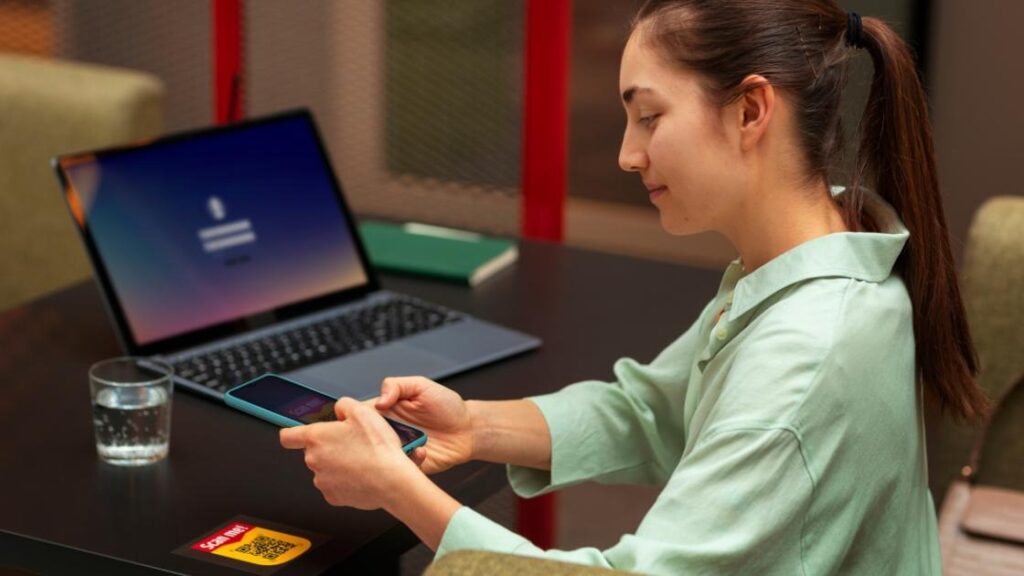
Tips for Getting the Most Out of Your Transfers
Making smart choices can significantly improve your international mobile money transfer experience. Here are five practical recommendations:
- Compare platforms before committing because fees and exchange rates vary widely between providers, and even small differences add up over repeated transactions.
- Verify licensing and regulation to ensure the platform you choose operates legally in both the sending and receiving countries.
- Enable two factor authentication on your transfer app to add an extra layer of protection against unauthorized access.
- Send during favorable exchange windows by monitoring currency trends and timing your cross-border payment when rates work in your favor.
- Start with a small test transfer if you are using a new platform for the first time, so you can evaluate the speed, reliability, and overall experience before committing larger amounts.
The Future of Global Finance Through Mobile Transfers
The trajectory is clear. International mobile money transfer technology will continue reshaping how the world moves money. With advancements in blockchain, AI driven compliance, and expanding smartphone penetration in developing markets, the barriers between national financial systems are dissolving faster than ever. For everyday users, this means cheaper, faster, and safer ways to connect financially with anyone, anywhere on the planet.
Conclusion
The world of global finance is undergoing a transformation that touches the lives of ordinary people in extraordinary ways. International mobile money transfer technology has moved far beyond being a simple convenience. It has become a critical financial tool that connects families, empowers freelancers, supports small businesses, and brings millions of previously unbanked individuals into the global economy.
Throughout this article, we explored how these platforms work behind the scenes, the key benefits they offer over traditional banking methods, the different types of services available, and the challenges users should keep in mind. From lower fees and faster delivery times to greater accessibility in underserved regions, the advantages of mobile remittance solutions are reshaping expectations around how money should move across borders.
Of course, no technology is without its hurdles. Regulatory complexity, security risks, and exchange rate fluctuations remain real concerns. However, the fintech industry continues to innovate rapidly, addressing these challenges with smarter compliance systems, stronger encryption, and more transparent pricing models. Users who stay informed, compare platforms carefully, and follow basic security practices will consistently get the best results from their cross-border payment experiences.
Looking ahead, the growth of international mobile money transfer services shows no signs of slowing down. As smartphone adoption rises and digital remittance technology becomes even more sophisticated, sending money abroad will become faster, cheaper, and more secure than ever before. The future of global finance is mobile, and it is already here.