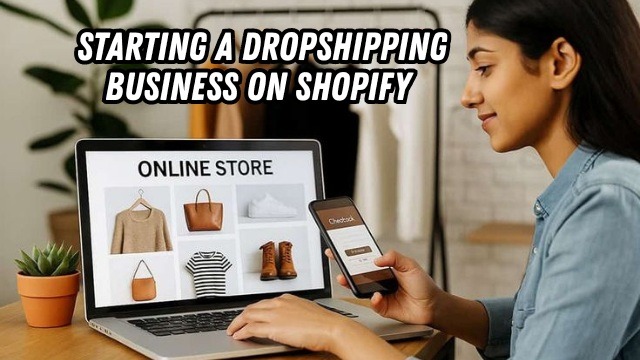
Starting a Dropshipping Business on Shopify With Advanced Pixel Tracking Strategies
Starting a dropshipping business on shopify requires more than selecting trending products and launching basic advertising campaigns. Successful entrepreneurs understand that sophisticated tracking infrastructure separates profitable stores from ventures hemorrhaging money on ineffective marketing spend.
Most beginners focus exclusively on product sourcing while neglecting the conversion tracking systems and audience segmentation tools that enable intelligent advertising decisions. This oversight results in wasted budgets targeting unqualified visitors who never purchase.
Starting a dropshipping business on shopify with proper Facebook pixel implementation and Google Analytics integration provides granular visibility into customer behavior patterns. This comprehensive guide explores advanced retargeting campaign strategies, custom audience creation, and lookalike audience optimization techniques used by seven-figure store owners. You will discover how proper tracking infrastructure transforms advertising from expensive guesswork into data-driven customer acquisition systems generating predictable returns on every dollar invested.
Understanding the Critical Role of Tracking Infrastructure
Building profitable online stores demands sophisticated systems capturing customer behavior data at every touchpoint. Starting a dropshipping business on shopify without proper tracking infrastructure resembles driving blindfolded through unfamiliar territory. You might eventually reach your destination, but the journey wastes tremendous resources unnecessarily.
Pixel tracking technology enables merchants understanding exactly which advertisements generate sales and which drain budgets without returns. This visibility transforms marketing from intuition based guessing into scientific optimization processes yielding predictable outcomes.
Modern e-commerce success depends heavily on collecting behavioral signals that inform advertising algorithms. Platforms like Facebook and Google require substantial data volumes training their machine learning systems identifying high value prospects. Without proper conversion tracking systems feeding this information, algorithms target broad audiences rather than qualified buyers.
The Evolution of Digital Advertising Tracking
The advertising landscape has transformed dramatically as privacy regulations and platform changes reshape data collection capabilities.
From Basic Analytics to Advanced Attribution
Early e-commerce tracking offered simple pageview counting without connecting visitor behavior to purchasing outcomes. Merchants knew traffic volumes but lacked visibility into which sources generated actual revenue.
Google Analytics integration revolutionized this landscape by introducing conversion tracking capabilities. Starting a dropshipping business on shopify became significantly more scientific as merchants connected advertising spend directly to sales outcomes for the first time.
Facebook pixel implementation further advanced tracking sophistication by enabling cross device attribution and detailed audience segmentation. Merchants could suddenly identify visitors across multiple sessions and devices, understanding complete customer journeys rather than isolated interactions.
Privacy Changes Reshaping Tracking Capabilities
Recent iOS updates and browser privacy features have complicated tracking accuracy for all online advertisers.
Apple’s App Tracking Transparency framework dramatically reduced Facebook pixel effectiveness by limiting cross app tracking capabilities. Starting a dropshipping business on shopify now requires adapting strategies accounting for significant data gaps affecting campaign optimization.
First party data collection has become essential as third party cookies face extinction across major browsers. Savvy merchants invest in email capture systems and customer account creation incentives building owned audiences independent of platform tracking limitations.
Why Proper Pixel Implementation Determines Profitability
Advertising platforms optimize campaigns based on conversion signals received from merchant websites. Incomplete or inaccurate tracking undermines these optimization processes regardless of budget sizes or creative quality.
Starting a dropshipping business on shopify with correctly configured pixels enables advertising algorithms identifying patterns distinguishing buyers from browsers. These systems continuously refine targeting based on conversion data, improving performance over time automatically.
Several compelling reasons make tracking infrastructure essential investments:
- Accurate return on ad spend calculations enabling informed budget allocation decisions across campaigns and platforms
- Custom audience creation for retargeting campaigns reaching visitors who demonstrated purchase intent without completing transactions
- Lookalike audience optimization identifying new prospects sharing characteristics with existing customers
- Conversion rate optimization through understanding exactly where visitors abandon purchasing processes
- Attribution modeling revealing which touchpoints contribute most significantly to customer acquisition
Starting a dropshipping business on Shopify without these capabilities means competing against rivals possessing significant informational advantages.
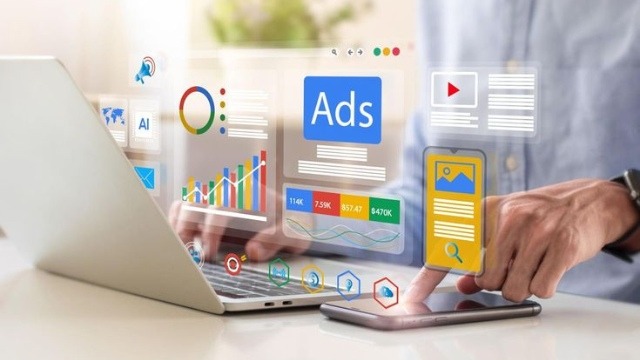
Implementing Facebook Pixel for Maximum Effectiveness
Facebook advertising remains essential for most dropshipping operations despite recent tracking challenges affecting campaign performance.
Base Pixel Installation and Event Configuration
Proper implementation begins with installing base pixel code across all store pages tracking visitor behavior comprehensively.
Shopify provides native Facebook channel integration simplifying pixel installation for merchants without technical expertise. This connection automatically configures standard e-commerce events including page views, add to cart actions, and purchase completions.
Starting a dropshipping business on shopify through this integration ensures fundamental tracking functions operate correctly from launch. However, advanced merchants customize event configurations capturing additional behavioral signals improving targeting precision.
Custom Conversion Optimization
Beyond standard events, custom conversions enable tracking specific actions aligned with unique business objectives and customer journey stages.
Create custom conversions for high intent behaviors like viewing pricing pages, initiating checkout processes, or spending extended time on product pages. These signals help Facebook algorithms identify serious prospects deserving advertising investment priority.
Starting a dropshipping business on shopify with granular conversion tracking provides competitive advantages most beginners overlook entirely.
Advanced Retargeting Campaign Strategies
Retargeting transforms single visit browsers into paying customers through persistent relevant messaging across their digital experiences.
Segmented Audience Approaches
Generic retargeting treating all visitors identically wastes the budget showing irrelevant ads to unqualified prospects.
Sophisticated merchants segment retargeting audiences based on behavioral signals indicating purchase readiness. Someone abandoning checkout deserves different messaging than someone bouncing from homepage without exploring products.
Create separate campaigns targeting cart abandoners, product page viewers, and collection browsers with customized creative addressing their specific objections or interests.
Dynamic Product Retargeting
Dynamic ads automatically display exact products visitors viewed, eliminating creative production requirements while maximizing relevance.
Starting a dropshipping business on Shopify with dynamic retargeting configured requires connecting product catalogs to advertising platforms. Shopify integrations simplify this process enabling automated campaign creation showcasing browsed items.
These campaigns consistently deliver the strongest return on ad spend due to extreme relevance showing visitors products they already demonstrated interest toward.
Overcoming Modern Tracking Challenges
Privacy changes have created significant obstacles for merchants relying heavily on pixel based tracking systems.
Server Side Tracking Implementation
Server side tracking bypasses browser limitations by sending conversion data directly from merchant servers to advertising platforms.
Starting a dropshipping business on shopify with Conversions API implementation maintains tracking accuracy despite iOS restrictions and cookie limitations. This technical approach requires additional configuration but preserves optimization capabilities essential for profitable advertising.
First Party Data Prioritization
Building email lists and customer databases creates owned audiences independent of platform tracking capabilities.
Implement aggressive email capture through exit intent popups, discount incentives, and content upgrades. Starting a dropshipping business on shopify with email marketing focus reduces dependence on increasingly unreliable third party tracking systems.
Measuring Success Through Analytics Integration
Comprehensive analytics dashboards combine data sources providing holistic performance visibility across all marketing channels.
Google Analytics integration complements platform specific tracking by offering independent verification of traffic sources and conversion patterns. Cross reference Facebook reported conversions with Analytics data identifying discrepancies requiring investigation.
Starting a business on shopify demands continuous monitoring and optimization based on accurate performance data. Invest time learning analytics interpretation skills enabling informed decisions driving sustainable growth through data driven marketing strategies.
Conclusion:
Successfully starting a dropshipping business on shopify demands sophisticated tracking infrastructure that transforms advertising spend into predictable revenue generation. Proper Facebook pixel implementation, Google Analytics integration, and conversion tracking systems provide essential visibility into customer behavior patterns driving informed marketing decisions. As privacy regulations reshape data collection capabilities, merchants must adapt through server side tracking and first party data prioritization strategies. Starting a business on shopify with advanced retargeting campaigns, custom audience creation, and lookalike audience optimization separates profitable stores from struggling ventures. Invest in these technical foundations early to build sustainable competitive advantages through data driven customer acquisition systems maximizing every advertising dollar invested.