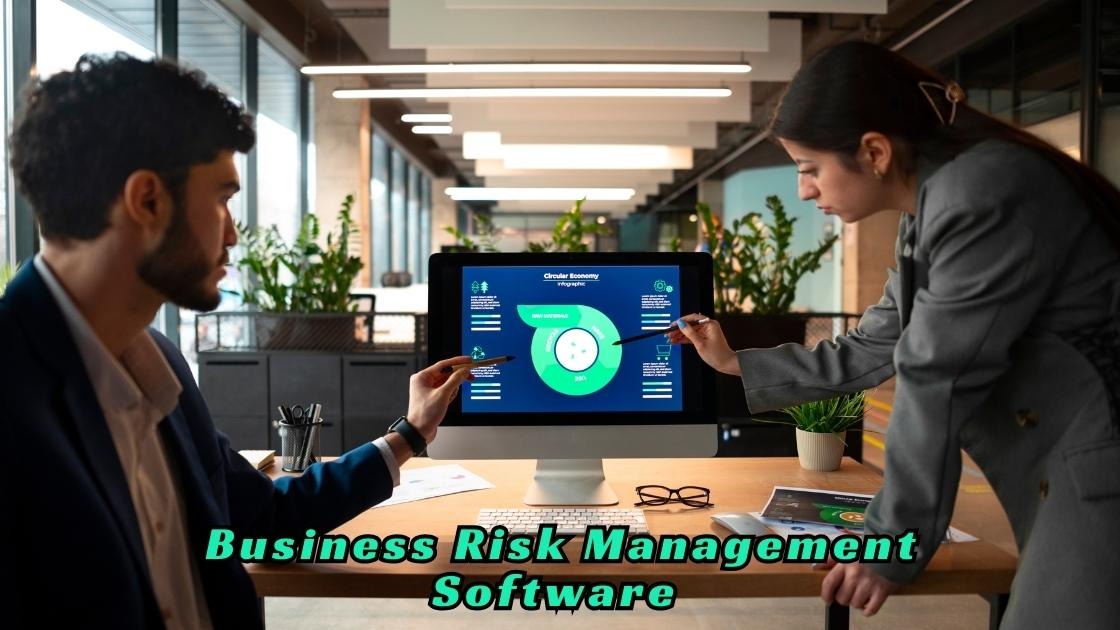
Business risk management software has become the frontline defense for enterprises seeking to identify vulnerabilities before they spiral into expensive disasters. Think about it: a single undetected compliance gap, supply chain disruption, or cybersecurity weakness can cost millions and damage your reputation for years. Traditional manual approaches simply cannot keep pace with today’s complex threat landscape.
This article explores how modern risk assessment tools use predictive analytics, automated monitoring, and real-time threat detection to protect your bottom line. You will learn how enterprise risk solutions analyze vast data streams, flag emerging dangers, and empower decision-makers with actionable insights. Whether you are concerned about operational hazards, financial exposure, or regulatory compliance challenges, understanding these capabilities could transform how your organization approaches vulnerability identification and mitigation planning.
Understanding Business Risk Management Software and Its Core Purpose
Business risk management software serves as a centralized platform that helps organizations identify, assess, monitor, and mitigate potential threats across all operational areas. At its foundation, this technology collects data from multiple sources, analyzes patterns, and alerts stakeholders when anomalies or dangers emerge.
Unlike spreadsheets or manual tracking methods, these digital solutions provide continuous surveillance of your risk environment. They transform raw information into meaningful insights that executives and managers can act upon quickly. The software essentially functions as an early warning system, catching problems during their infancy rather than after they have caused significant damage.
The Evolution of Risk Identification Technology
Risk management practices have existed for decades, but the tools supporting them have undergone dramatic transformation. Early approaches relied heavily on periodic audits, gut instincts, and reactive responses. Companies would often discover threats only after experiencing losses.
The emergence of enterprise risk solutions in the early 2000s marked a turning point. These platforms introduced automation, standardized frameworks, and reporting capabilities that were previously impossible. Today, business risk management software incorporates artificial intelligence, machine learning algorithms, and cloud computing to deliver unprecedented predictive accuracy and operational efficiency.
How Threat Detection Systems Actually Work
Data Collection and Integration
Modern risk assessment tools begin by gathering information from numerous internal and external sources. This includes financial records, operational metrics, employee reports, market data, regulatory updates, and even social media sentiment. The software consolidates everything into a unified dashboard where patterns become visible.
Integration capabilities allow these platforms to connect with existing enterprise systems like ERP, CRM, and supply chain management applications. This connectivity ensures no critical data point goes unnoticed or unanalyzed.
Predictive Analytics and Pattern Recognition
The true power of business risk management software lies in its analytical engine. Advanced algorithms examine historical data alongside current conditions to forecast potential problems. These systems recognize subtle correlations that human analysts might miss entirely.
For example, the software might detect that a particular supplier’s delivery delays always precede quality issues. Or it could identify that certain market conditions historically trigger customer payment defaults. Such insights enable proactive intervention before actual losses occur.
Key Features That Enable Early Threat Identification
Effective enterprise risk platforms share several essential capabilities that distinguish them from basic tracking tools.
- Real time monitoring continuously scans for deviations from normal operating parameters across all business functions
- Automated alert systems notify appropriate personnel immediately when risk thresholds are exceeded
- Scenario modeling allows teams to simulate potential threat situations and evaluate response strategies
- Compliance tracking ensures regulatory requirements are met and documents adherence automatically
- Customizable dashboards present relevant risk indicators tailored to each stakeholder’s responsibilities
Reporting and Visualization Capabilities
Business risk management software transforms complex data into comprehensible visual formats. Heat maps show threat concentrations across departments or geographic regions. Trend charts reveal whether risks are increasing or decreasing over time. Executive summaries distill detailed analyses into actionable recommendations.
These reporting features support better decision making at every organizational level. Board members receive strategic overviews while operational managers access granular details relevant to their specific responsibilities.
Significant Benefits for Organizations
Implementing robust risk identification technology delivers measurable advantages that extend beyond simple threat detection.
Companies using these platforms experience reduced financial losses from preventable incidents. Insurance costs often decrease as organizations demonstrate stronger risk controls. Regulatory compliance becomes more manageable, avoiding costly fines and legal complications. Employee safety improves when hazards are identified and addressed promptly. Stakeholder confidence grows as businesses demonstrate responsible governance practices.
Challenges Worth Considering
Despite their advantages, these solutions present certain implementation hurdles. Initial setup requires significant time investment to configure systems properly. Staff training ensures personnel understand how to interpret alerts and respond appropriately. Data quality directly impacts analytical accuracy, meaning organizations must maintain clean, consistent information sources.
Cost considerations also matter, particularly for smaller enterprises. However, many vendors now offer scalable pricing models that accommodate various budget levels without sacrificing essential functionality.

Practical Applications Across Industries
Business risk management software serves diverse sectors with tailored capabilities. Financial institutions use these platforms for fraud detection and credit risk assessment. Manufacturing companies monitor equipment failures and supply chain vulnerabilities. Healthcare organizations track patient safety incidents and regulatory compliance. Retail businesses analyze inventory risks and customer data protection requirements.
Each industry benefits from specialized modules addressing their unique threat landscapes while sharing common foundational features for comprehensive risk oversight.
Conclusion
Protecting your organization from emerging threats requires more than reactive measures and outdated manual processes. Business risk management software provides the proactive threat detection, predictive analytics, and real time monitoring capabilities that modern enterprises need to stay ahead of potential problems.
From automated alerts to comprehensive risk assessment tools, these platforms transform how companies identify vulnerabilities and respond to dangers. The investment in business risk management software pays dividends through reduced losses, improved compliance, and stronger operational resilience.
As threats continue evolving in complexity, organizations that embrace these enterprise risk solutions position themselves for sustainable success and competitive advantage in uncertain markets.