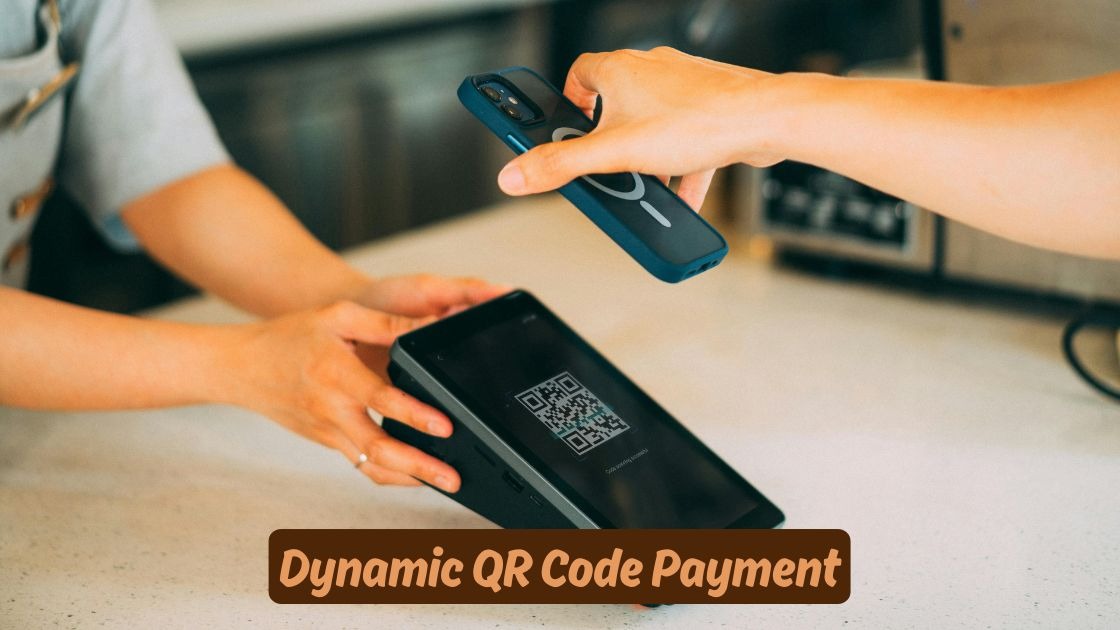
The way we pay for goods and services is changing fast, and dynamic QR code payment is at the heart of this transformation. Gone are the days when carrying cash or swiping cards was the only option at checkout. Today, a simple scan from your smartphone can complete a transaction in seconds, making the entire buying experience faster and more convenient for both customers and businesses.
But what exactly makes this technology different from a regular, static QR code? Why are businesses around the world from street vendors to multinational retailers rapidly adopting it? And most importantly, how does dynamic QR code payment actually work behind the scenes?
This article breaks it all down in plain, easy-to-understand language. Whether you are a small business owner exploring contactless payment options, a developer curious about the technical side, or simply a consumer who wants to understand what happens when you scan that code, this guide is for you.
We will walk through how this technology functions, explore its advantages over traditional digital transaction methods, and look at why it is quickly becoming the preferred choice in mobile payment ecosystems worldwide. You will also learn about the security features that make dynamic QR code payment a trusted option in today’s cashless payment landscape, and how QR code technology is expected to shape the future of commerce.
By the end of this article, you will have a clear, complete understanding of this powerful tool and be equipped to decide whether it is the right fit for your business or daily life. Let’s dive in.
What Is a Dynamic QR Code Payment?
It is a type of digital transaction where the QR code generated for each payment is unique and changes with every transaction. Unlike a static QR code that always contains the same fixed information, a dynamic version can be updated in real time to reflect different amounts, merchant details, or transaction references. This makes it significantly more versatile and secure for modern commerce.
Think of it this way: a static QR code is like a printed poster that never changes, while it works more like a live screen that refreshes with new data every time someone needs to make a purchase. This simple difference is what makes the technology so powerful for businesses of all sizes.
What Sets It Apart From a Static QR Code?
A static QR code contains permanently embedded data. Once printed, it cannot be edited or tracked. A dynamic QR code payment, on the other hand, connects to a backend server that can modify the information tied to the code at any time. This means merchants can change pricing, add promotional offers, or update payment details without generating a new code. The ability to track scans and gather analytics also gives businesses a major advantage in understanding customer behavior.
How Dynamic QR Code Payment Works
Understanding the process behind a dynamic QR code payment is simpler than most people expect. The entire flow happens in just a few seconds and involves minimal steps for both the buyer and the seller.
The Step by Step Process
- The merchant generates a unique QR code through a payment gateway or mobile payment app tied to their business account.
- The customer opens their smartphone camera or a dedicated QR scanner app and scans the code displayed at the point of sale.
- The code redirects the customer to a secure payment page where the transaction amount and merchant details are pre filled automatically.
- The customer confirms the payment using their preferred method such as a linked bank account, digital wallet, or UPI based system.
- Both the merchant and the customer receive instant confirmation of the completed contactless payment.
This seamless process is one of the biggest reasons why dynamic QR code payment adoption is growing rapidly in retail, hospitality, healthcare, and ecommerce sectors worldwide.
Key Features That Make It Stand Out
Dynamic QR code payment technology comes packed with features that go far beyond simple money transfer. These features are what make it a preferred choice for businesses looking to modernize their checkout systems.
Real Time Editability
Merchants can update the payment amount, description, or destination linked to the code without reprinting or redistributing it. This is especially useful for businesses that deal with variable pricing or seasonal offers.
Built In Analytics and Tracking
Every scan of a dynamic QR code is recorded and analyzed. Business owners can see how many times the code was scanned, from which locations, and at what times. This data helps in making smarter marketing and operational decisions.
Enhanced Security Protocols
Because each transaction generates a unique encrypted code, the risk of fraud or duplication is significantly reduced. Dynamic QR code payment systems often include tokenization and end to end encryption, making them far safer than static alternatives in the cashless payment space.
Benefits of Using Dynamic QR Code Payment for Businesses
Adopting this technology offers clear advantages that directly impact revenue, customer satisfaction, and operational efficiency.
Faster Checkout Experience
Customers no longer need to wait in long lines or fumble with cash. A quick scan completes the digital transaction in seconds, reducing wait times and improving the overall shopping experience.
Lower Operational Costs
There is no need for expensive POS hardware or card swiping machines. A smartphone and a QR code are all a merchant needs, which dramatically cuts down on setup and maintenance costs. This makes dynamic QR code payment particularly attractive for small businesses and startups.
Broader Customer Reach
With mobile payment usage growing across all demographics, offering QR based checkout ensures that businesses cater to tech savvy consumers who prefer contactless and cashless experiences. It also opens doors to international customers who rely on QR code technology as their primary payment method.
Challenges and Limitations to Consider
While the advantages are clear, there are a few challenges that businesses should be aware of before fully transitioning.
- Customers in certain regions may still be unfamiliar with scanning QR codes for payments, requiring initial education and signage.
- A stable internet connection is necessary for both the merchant and the customer to complete a dynamic QR code payment successfully.
- Integration with existing accounting or inventory management software may require technical support during the initial setup phase.
- Some older smartphone models may lack efficient scanning capabilities, potentially excluding a small segment of customers.
- Regulatory requirements around digital payments vary by country, which can add complexity for businesses operating across borders.
Understanding these limitations upfront allows businesses to plan effectively and ensure a smooth transition to QR based payment infrastructure.
Real World Use Cases Across Industries
It is not limited to just retail shops. Its versatility has led to widespread adoption across various industries. Restaurants use table side QR codes to let diners pay directly from their seats. Healthcare clinics generate unique codes for each patient bill, simplifying the payment and record keeping process. Event organizers use it for ticket sales and on site merchandise purchases. Even public transportation systems in several countries have integrated QR based fare collection to speed up commuter flow.
The flexibility of this technology means it can be customized to fit virtually any business model, from freelancers sending invoices to large enterprises managing thousands of daily transactions.

The Future of QR Code Payments in Modern Commerce
As the global economy continues its shift toward digital and cashless ecosystems, dynamic QR code payment technology is positioned to play a central role. With advancements in mobile wallet integration, biometric authentication, and blockchain based verification, the next generation of QR payments will be even faster, safer, and more accessible. Businesses that adopt this technology now are not just keeping up with trends they are future proofing their operations for the next decade of digital commerce.
Conclusion
The way businesses and consumers handle transactions is evolving at an incredible pace, and dynamic QR code payment technology is playing a major role in driving that shift. From faster checkouts and lower operational costs to enhanced security and real time tracking, this technology offers a complete package that benefits both merchants and customers alike.
Throughout this article, we explored how it works, what sets it apart from static alternatives, and why industries ranging from retail and healthcare to hospitality and public transportation are embracing it. The ability to update payment information instantly, gather valuable scan analytics, and provide a seamless contactless payment experience makes it one of the most practical solutions in today’s digital payment landscape.
Of course, challenges like internet dependency, regional awareness gaps, and regulatory differences still exist. However, these are manageable hurdles that businesses can overcome with proper planning and the right payment infrastructure in place.
As mobile payment adoption continues to rise globally and consumers increasingly prefer cashless transaction methods, businesses that integrate QR code technology into their operations today will be better positioned for long term growth. Whether you run a small local shop or manage a large enterprise, adopting dynamic QR code payment is no longer just an option it is becoming a necessity. The future of commerce is digital, fast, and scan powered.