Future of work startups are fundamentally reshaping how organizations connect with talent across the globe. The conventional nine-to-five employment structure is rapidly becoming obsolete as innovative companies build decentralized talent ecosystems that prioritize flexibility, autonomy, and skill-based hiring over traditional credentials.
These pioneering ventures leverage distributed workforce platforms, blockchain-verified credentials, and AI-powered talent matching to create seamless connections between businesses and independent professionals. The shift represents more than technological advancement—it signals a complete transformation in how we conceptualize remote work solutions and gig economy infrastructure.
This comprehensive guide explores how these disruptive startups are eliminating geographical barriers, democratizing opportunity access, and constructing the architectural framework for tomorrow’s employment landscape. You’ll discover the technologies, strategies, and investment trends driving this unprecedented transformation.
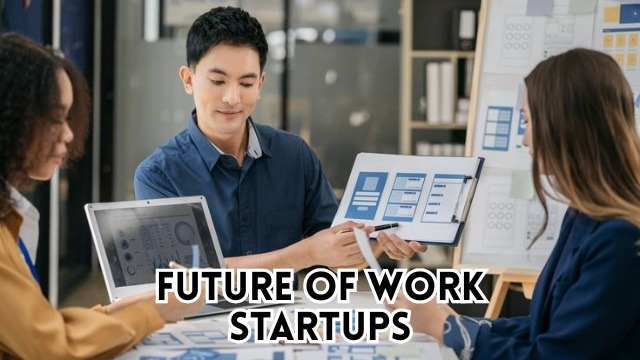
Understanding the Evolution of Decentralized Talent Ecosystems
The transformation of employment structures has entered an unprecedented phase of acceleration. Future of work startups are constructing entirely new frameworks that challenge century-old assumptions about how organizations should function. These ventures recognize that geographical boundaries no longer determine talent availability.
Traditional hiring processes relied heavily on physical presence, standardized credentials, and hierarchical management structures. The emergence of sophisticated digital infrastructure has rendered these constraints obsolete. Companies now access specialized expertise from virtually any location, enabling them to assemble project-specific teams with remarkable precision.
The decentralized approach fundamentally redistributes power dynamics between organizations and workers. Professionals gain unprecedented control over their career trajectories, while businesses acquire flexibility that rigid employment models could never provide.
The Technological Infrastructure Powering This Transformation
Blockchain Verification Systems
Credential authentication has historically presented significant challenges for remote hiring. Future of work startups are deploying distributed ledger technology to create tamper-proof verification systems. These platforms enable instant validation of educational achievements, professional certifications, and work history without intermediaries.
Smart contracts automate payment processing and milestone verification, eliminating disputes and administrative overhead. This technological foundation creates trust between parties who may never meet physically, enabling seamless global collaboration.
Artificial Intelligence Matching Algorithms
Sophisticated machine learning systems now analyze thousands of variables to connect organizations with ideal candidates. These platforms evaluate technical competencies, communication styles, timezone compatibility, and cultural alignment factors.
The precision of modern talent matching platforms reduces hiring timelines from months to days. Organizations benefit from improved retention rates because algorithmic matching considers factors that traditional recruitment consistently overlooks.
Why Established Corporations Are Embracing These Models
Several compelling factors drive enterprise adoption of decentralized workforce solutions:
- Cost optimization through elimination of physical infrastructure requirements and reduction of benefits administration complexity
- Access to specialized expertise that may not exist within commutable distance of corporate headquarters
- Improved organizational resilience through geographic distribution of critical functions
- Enhanced innovation capacity through exposure to diverse perspectives and methodologies
- Competitive advantage in talent acquisition as professionals increasingly prefer flexible arrangements
Future of work startups provide the technological backbone making enterprise transformation feasible.
Challenges Facing Decentralized Workforce Implementation
Regulatory Complexity Across Jurisdictions
Employment law varies dramatically between nations and even between regions within countries. Organizations must navigate tax obligations, worker classification requirements, and benefits mandates that differ substantially across their distributed workforce. Remote team management demands sophisticated legal infrastructure that many organizations lack internally.
Future of work startups address this complexity through employer of record services and compliance automation platforms. These solutions enable organizations to engage talent globally without establishing legal entities in every jurisdiction.
Maintaining Organizational Culture
Building cohesive company culture without physical colocation presents genuine difficulties. Asynchronous collaboration tools help bridge time zone gaps, but they cannot fully replicate spontaneous interactions occurring naturally in shared physical spaces.
Successful distributed organizations invest in virtual team building and communication protocols that foster belonging despite physical separation.
Quality Assurance and Performance Measurement
Evaluating productivity without direct observation requires fundamentally different management approaches. Output-based assessment replaces time-based monitoring, demanding clear deliverable definitions and objective success metrics. Future of work startups develop performance analytics tools that measure outcomes rather than hours logged.
Pioneering Companies Reshaping Employment Paradigms
Deep and Global Payroll Innovation
This platform enables organizations to hire employees and contractors across more than 150 countries through unified infrastructure. The company handles compliance, payroll processing, and benefits administration, removing barriers that previously made international hiring complex.
Upwork and Specialized Talent Marketplaces
The freelance economy marketplace connects millions of independent professionals with organizations seeking specific expertise. Their platform incorporates matching algorithms, secure payment processing, and dispute resolution mechanisms. Future of work startups like Upwork have normalized project-based engagement as a legitimate alternative to traditional employment.
Remote and Distributed Team Infrastructure
This company provides comprehensive solutions for organizations building fully distributed teams. Their platform combines payroll services with benefits administration designed specifically for remote workers across multiple countries. The gig economy platform model continues evolving toward comprehensive service offerings.
Economic Implications of Workforce Decentralization
The redistribution of employment opportunities carries profound economic consequences. Regions previously excluded from knowledge economy participation now access global labor markets through digital talent platforms. This democratization creates development pathways that bypass traditional industrial stages.
Future of work startups facilitate wealth distribution that follows talent rather than geography. Professionals in lower cost regions compete effectively for opportunities previously concentrated in expensive metropolitan areas.

The Trajectory of Employment Structure Evolution
The momentum behind workforce decentralization appears irreversible. Future of work startups continue attracting substantial venture capital investment, indicating strong confidence in continued market expansion. Worker preferences increasingly favor flexibility over traditional employment stability.
Organizations delaying adoption risk significant competitive disadvantage as highly skilled talent gravitates toward distributed arrangements.
Conclusion:
The employment landscape continues evolving at remarkable speed as innovative ventures reshape how organizations connect with talent worldwide. Decentralized talent ecosystems offer unprecedented flexibility for both businesses and professionals seeking meaningful work arrangements. Remote team management tools, blockchain verification systems, and AI matching algorithms form the technological foundation enabling this transformation. Organizations embracing distributed workforce models gain competitive advantages through cost optimization, access to global expertise, and improved operational resilience. As digital talent platforms mature and regulatory frameworks adapt, the shift toward flexible employment structures will accelerate, fundamentally redefining traditional workplace paradigms for generations ahead.