
If you are looking for scalable startup ideas for long term growth in 2026, the short answer is this: the strongest opportunities right now sit in AI powered vertical software, climate and energy tech, creator tooling, healthtech infrastructure, fintech for underserved segments, and developer tools. These categories share three traits that make them genuinely scalable, namely low marginal cost per new customer, real recurring demand, and network or data effects that compound over time.
Table of Contents
This guide gives you a concrete list of 20+ specific ideas across the most promising categories, named companies already winning in each space, rough capital requirements, and the founder profile each idea suits best. No generic concepts, no surface level cheerleading, just the kind of breakdown you can actually use to pick your next thing.

What Makes a Startup Idea Truly Scalable?
Quick answer: A scalable startup is a business where revenue can grow much faster than cost, usually because the product is delivered digitally, sold to many similar customers, and improves as more people use it.
Four traits separate a scalable idea from a small business:
- Low marginal cost: Serving one more customer should cost almost nothing.
- Repeatable distribution: One acquisition channel should work across thousands of customers.
- Compounding advantages: Data, network effects, or brand should strengthen with scale.
- Recurring revenue or transaction volume: Subscription, usage, or transaction fees that keep growing.
According to CB Insights’ research on what makes startups scale, the companies that last tend to combine a clearly validated market need with a business model that does not break under growth.
Quick Summary of the Best Categories in 2026
Quick answer: The six highest potential startup categories in 2026 are AI powered vertical SaaS, climate and energy technology, creator and community tools, healthtech infrastructure, fintech for underserved segments, and developer tools.
Here is a snapshot before we go deep into each idea.
| Category | Example Winners | Capital to Start | Scalability Score |
| AI Vertical SaaS | Harvey, Hippocratic, Ambience | Medium | Very High |
| Climate Tech | Watershed, Pachama, Form Energy | High | High |
| Creator Tools | Beehiiv, Kajabi, Passionfroot | Low to Medium | High |
| Healthtech | Abridge, Cedar, Flatiron | Medium to High | Very High |
| Fintech | Ramp, Mercury, Bilt | Medium | Very High |
| Developer Tools | Vercel, Cursor, Linear | Low to Medium | Very High |
Now the specific ideas inside each category.
AI Powered Vertical SaaS
Quick answer: Vertical AI tools apply language models and automation to a specific industry’s workflow (legal, healthcare, real estate, logistics), which is the single fastest growing startup category in 2026 because the technology finally matches the depth that specialized industries need.
Guidance published through a16z’s enterprise AI coverage consistently points to vertical AI as the strongest near term opportunity because general purpose chat tools have hit diminishing returns, while industry specific tools are still largely greenfield.
Specific ideas to consider:
- AI copilot for independent law firms. Harvey is dominating large firms. Small and mid firms are still underserved.
- AI scribe for non English speaking clinics. Ambience and Abridge are leading in English. Spanish, Hindi, Portuguese are wide open.
- AI underwriter for specialty insurance. Property, marine, and cyber insurance still rely on spreadsheets.
- AI ops agent for ecommerce operators. Handles inventory, supplier chat, refunds, and returns.
- AI sales enablement for industrial distributors. The B2B distribution industry is huge and almost untouched.
Founder profile: technical cofounder plus a domain expert from the target vertical. Capital needed: $500k to $3M seed round typical.
Climate and Energy Tech
Quick answer: Climate startups build software and hardware that reduce emissions, electrify transport and buildings, or accelerate the energy transition, and they are backed by record funding plus long term policy tailwinds.
Research from PitchBook on climate tech funding shows that carbon accounting, grid software, and battery storage have consistently attracted strong capital even in tighter venture markets, because the underlying demand is policy and economics driven, not hype driven.
Specific ideas to consider:
- Carbon accounting for mid market manufacturers. Watershed serves enterprise. The $10M to $500M revenue band still runs on spreadsheets.
- Software for commercial solar installers. Scheduling, permitting, and financing are still painful.
- Battery health analytics for fleet operators. Electric fleet operators need this and have no good tool.
- Virtual power plant orchestration for utilities. Still early, massive TAM.
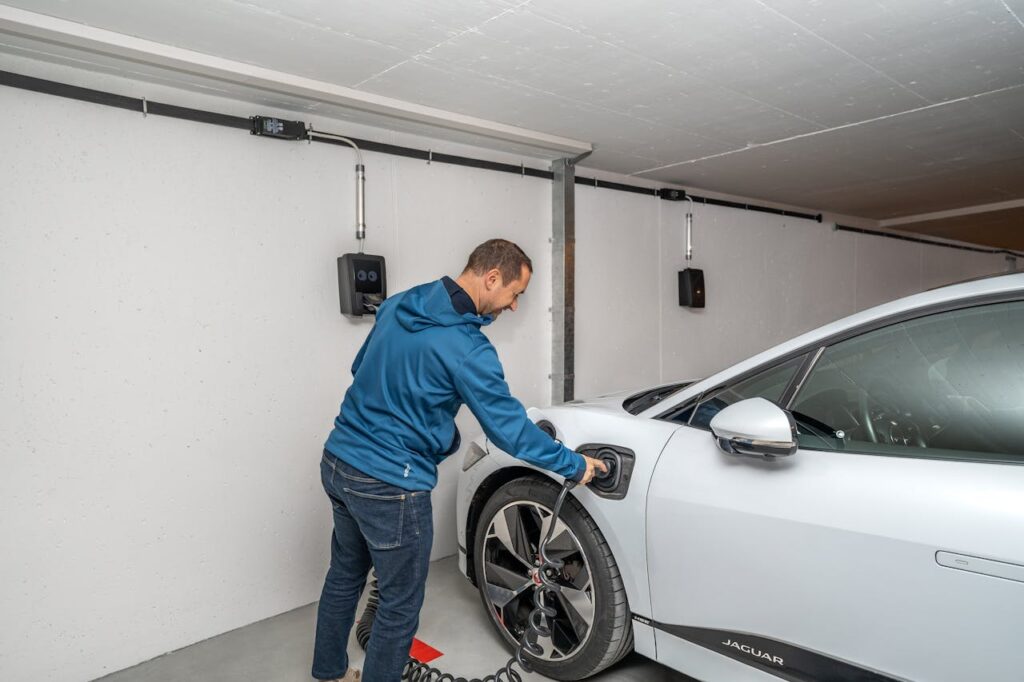
- Home electrification marketplace. Heat pumps, induction, EV chargers packaged as one renovation.
Founder profile: engineering background plus one person from energy or construction. Capital needed: $1M to $5M seed, higher for hardware.
Creator and Community Tools
Quick answer: Creator economy tools help independent operators monetize audiences through newsletters, communities, courses, and paid subscriptions, and in 2026 the market has matured enough that specialized tools consistently beat generalist platforms.
Data summarized by SignalFire on the creator economy shows that creators increasingly prefer dedicated tools for each part of their business rather than all in one platforms, which is exactly where the product opportunity sits.
Specific ideas to consider:
- Newsletter platform for paid B2B newsletters. Beehiiv and Substack are general. Vertical specialists can win on features.
- Community platform for professional networks. Slack and Discord are too casual. Circle is too generic. Niche networks want their own.
- Affiliate management for creators. The affiliate stack for creators is broken and dated.
- Sponsorship marketplace for podcasts and newsletters. Passionfroot is early. Room for vertical competitors.
- AI repurposing tool for long form creators. Turn one podcast into 30 assets automatically.
Founder profile: operator who has run a creator business or grown a large audience. Capital needed: low. Many creator tools reach profitability on $500k to $1.5M.
Healthtech Infrastructure
Quick answer: Healthtech startups that sit between hospitals, insurers, and patients (billing, scheduling, documentation, data integration) have historically outperformed consumer healthtech because they solve expensive operational problems.
Specific ideas to consider:
- Prior authorization automation for specialty clinics. A painful, multi billion dollar problem.
- Patient financing for elective procedures. Cedar is large. Vertical plays still open.
- EHR integration middleware for startups. Every healthtech company struggles with Epic. One good tool wins the whole category.
- Mental health benefits marketplace for SMBs. Large employers are covered. Small and mid businesses are not.
Fintech for Underserved Segments
Quick answer: The strongest fintech opportunities in 2026 are not in consumer banking, which is crowded, but in payments, spend management, and financial software built for specific industries that big banks ignore.
Specific ideas to consider:
- Spend management for mid market operators. Ramp serves startups and enterprises. Traditional businesses in the middle are still using Concur.
- Payment infrastructure for Latin America and Southeast Asia. Cross border flows are broken for small businesses.
- Accounting automation for creator economy tax. Freelancers, creators, and solo founders lose days to quarterly filings.
- Insurance tech for small commercial trucking. Underwriting is manual, pricing is stale, operators want better.
- Embedded lending for vertical SaaS. Any B2B SaaS with transaction data can offer financing at margins banks cannot match.
Founder profile: ex banker or payments engineer plus an operator from the target vertical. Capital needed: $2M to $8M seed because of licensing and compliance.
Developer Tools
Quick answer: Developer tools remain one of the most capital efficient startup categories because technical founders can ship, distribute, and monetize without a sales team until well past product market fit.
Specific ideas to consider:
- AI first code review tool for specific stacks. Cursor and Copilot are horizontal. Vertical tools for data teams, mobile teams, or infra teams are wide open.
- Observability for AI applications. The stack for monitoring LLM products is still being built.
- Data pipeline tools for small teams. Fivetran and Airbyte serve larger customers. Small teams want something simpler.
- Open source devtools with a paid cloud layer. Still one of the most reliable SaaS patterns in 2026.
- Internal tools builder for non technical operators. Retool for people who cannot read code.
Founder profile: technical founder who has felt the pain personally. Capital needed: low. Many devtools reach $1M ARR on less than $1M raised.
Marketplaces and Platforms
Quick answer: Modern marketplaces succeed by picking a vertical where supply is fragmented, quality signals are unreliable, and trust is the actual product.
Specific ideas to consider:
- Specialty trades marketplace. HVAC, solar installers, electricians for homes. Huge fragmented supply.
- Professional services marketplace. Fractional CFOs, lawyers, and designers for startups.
- B2B wholesale marketplace for ethnic food and beauty. Faire is general. Niche versions still winnable.
- Recommerce platform for a specific product category. StockX for musical instruments, luxury kitchen, or outdoor gear.
Research summarized by Lenny Rachitsky’s marketplace writing consistently shows that vertical marketplaces outperform horizontal ones once the underlying category has enough transaction frequency to build habit.
Physical World Ideas (Logistics, Food, Supply Chain)
Quick answer: Not every scalable startup is pure software. Logistics, micro manufacturing, and food supply chain companies can scale through operational software layers on top of physical assets.
Specific ideas to consider:
- Last mile delivery for restaurants in mid sized cities. DoorDash dominates large metros. Mid tier cities still have room.
- Cold chain software for independent grocers. Broken, outdated, expensive.
- Reverse logistics for returns management. A growing pain point for every ecommerce brand.
- Contract manufacturing marketplace for consumer brands. Finding a reliable factory is still painful.
Founder profile: operator from the industry, not a pure software builder. Capital needed: $2M to $10M.
Solo Friendly vs VC Scale: Which One Should You Pick?
Quick answer: Solo friendly ideas require less than $500k to reach profitability and target niches of 5,000 to 50,000 customers. VC scale ideas require multi million dollar rounds and target markets of millions.
| Type | Best For | Example Ideas From This List |
| Solo friendly | Bootstrappers, technical founders, creators | Creator tools, developer tools, newsletter platforms |
| Small team bootstrap | 2 to 5 person teams, profitable in 2 years | Vertical SaaS, niche marketplaces, AI copilots |
| Venture scale | Founders raising institutional capital | Climate tech, fintech infrastructure, healthtech |
Neither path is better. Both build lasting companies when the idea matches the resources.
How to Validate Any of These Ideas Fast
Quick answer: Validate a startup idea in 30 days with three steps: interview 20 potential customers, build a landing page with a clear offer, and pre sell a pilot to 3 to 5 real buyers before writing any code.
The sequence that works:
- Run 20 customer discovery calls and look for the same pain showing up unprompted
- Build a simple landing page with a specific offer
- Drive 200 to 500 qualified visitors through LinkedIn, cold email, or a niche community
- Measure sign ups, booked demos, or pre orders
- If 3 to 5 buyers say yes before the product exists, build it
This is the core of the Lean Startup approach, and it saves months of wasted engineering for any idea, in any category.
Topical Range Covered
This guide touched on vertical SaaS, artificial intelligence applications, climate and energy, creator economy infrastructure, healthtech workflows, fintech for small business, developer tooling, marketplace dynamics, supply chain software, and startup validation. These are the adjacent areas to research as you narrow in on your specific idea.
Conclusion
The strongest scalable startup ideas for long term growth in 2026 are not clever twists on saturated categories. They are tools for industries that general software has not yet reached, infrastructure for problems that only got painful this year, and vertical products built for customers big platforms ignore. Pick a category that fits your background, narrow to one specific idea, validate it with real buyers in 30 days, and only then commit to building.
Ideas are cheap. Clarity about which one suits your skills, capital, and appetite for risk is the thing most founders never do well.
If this guide helped you narrow your shortlist, share it with a cofounder who is still stuck between three ideas, and drop a comment telling me which one you are leaning toward. I reply to every single one.
What makes a startup idea scalable?
A scalable startup can grow revenue far faster than cost, usually because the product is delivered digitally, serves many similar customers, and strengthens as more people use it. The four traits to look for are low marginal cost, repeatable distribution, compounding advantages, and recurring or transactional revenue.
Which scalable industries are growing fastest in 2026?
AI powered vertical SaaS, climate and energy tech, creator tooling, healthtech infrastructure, fintech for underserved segments, and developer tools are the six categories with the strongest tailwinds. Each offers multiple specific opportunities that are still early enough to win.
Can a scalable startup be bootstrapped?
Yes. Developer tools, creator platforms, niche vertical SaaS, and small marketplaces have all been bootstrapped to meaningful scale. Bootstrapped companies tend to succeed when the category is capital efficient and the founder is a technical builder or an operator with distribution.
How much money do you need to start a scalable startup?
Solo friendly ideas can launch on $10k to $100k, bootstrapped small team ideas usually need $100k to $500k, and venture scale ideas require seed rounds of $1M to $8M. The right number depends on the category and the compliance burden.
What is the best way to validate a startup idea?
Run 20 customer discovery calls, build a simple landing page with a specific offer, drive qualified traffic through a targeted channel, and pre sell a pilot to 3 to 5 real buyers. If you cannot close pilots on an idea, the product will not save it.
Which scalable business models are most reliable?
Subscription SaaS, usage based infrastructure, vertical marketplaces, and embedded fintech are the most reliable scalable models in 2026. Each one has proven paths to recurring revenue and compounding advantages over time.