Have you ever wondered how QR code payments work when you simply point your phone at a small black-and-white square and money moves instantly? This seemingly simple action involves a powerful chain of technology, encryption, and banking infrastructure working together in milliseconds. Over the past few years, QR code payment systems have exploded in popularity, transforming how millions of people handle everyday transactions from buying groceries to splitting dinner bills. Contactless payments through QR codes are now a cornerstone of the global digital payment technology landscape, and their growth shows no signs of slowing down.
But what actually happens behind the scenes when you scan that code? How does your money travel securely from your mobile wallet to a merchant’s bank account? And most importantly, is the entire process truly safe? These are the questions that both everyday consumers and business owners are asking as mobile payments continue to reshape commerce worldwide.
In this comprehensive guide, we break down exactly how QR code payments work, with insights drawn directly from payment security professionals and fintech experts who design and manage these systems. You will learn about the step-by-step QR code scanning process, the role of payment gateways, the encryption protocols that protect your financial data, and why businesses are rapidly adopting this cashless payment method over traditional card terminals.
Whether you are a curious consumer, a small business owner exploring digital payment solutions, or someone simply trying to understand the technology you already use daily, this article gives you a clear, jargon-free explanation. By the end, you will understand not just how QR code payments work, but also why experts consider them one of the most secure and efficient contactless payment options available today.

What Is a QR Code Payment?
Before diving deeper into how QR code payments work, it is essential to understand what they actually are. A QR code payment is a contactless digital transaction method where a buyer or seller generates a Quick Response code that contains encrypted payment information. When scanned using a smartphone camera or a mobile wallet app, the code instantly initiates a secure fund transfer between the payer and the merchant. Unlike traditional card swipe terminals, QR code payments require no physical hardware beyond a mobile device, making them incredibly accessible for businesses of all sizes. This simplicity is one of the biggest reasons the QR code payment system has gained massive adoption across both developed and emerging economies.
A Brief History of QR Code Payments
QR codes were originally invented in 1994 by a Japanese company called Denso Wave for tracking automotive parts. However, the financial world did not adopt them until much later. The real turning point came when mobile wallet platforms in China and India integrated QR scanning into their digital payment ecosystems around 2015 and 2016. Since then, understanding how QR code payments work has become essential knowledge for consumers, merchants, and fintech professionals worldwide. Today, these codes power billions of dollars in daily cashless transactions across restaurants, retail stores, online checkouts, and peer to peer transfers.
How QR Code Payments Work: The Step by Step Process
Understanding how QR code payments work becomes much easier when you break the process down into clear stages. Every QR code transaction follows a structured sequence that ensures speed, accuracy, and security simultaneously.
Step 1: QR Code Generation
The process begins when either the merchant or the customer generates a QR code through a payment app or point of sale system. This code contains encrypted data including the merchant’s account details, the transaction amount, and a unique transaction identifier.
Step 2: Scanning the Code
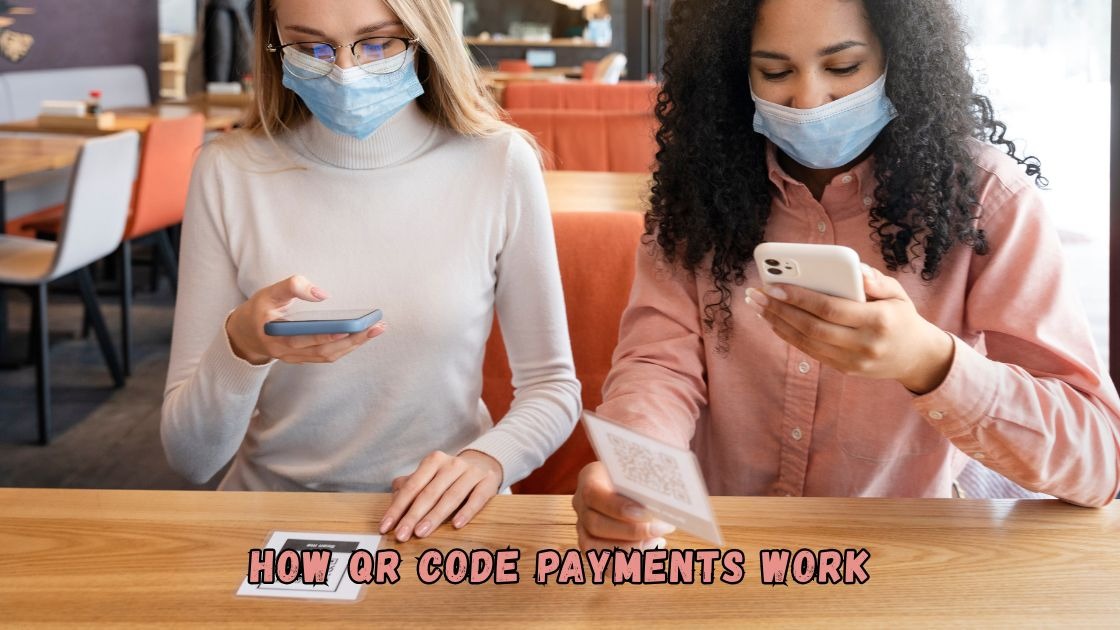
The customer opens their mobile wallet or banking app and scans the QR code using their smartphone camera. The app decodes the embedded information and displays the payment details on screen for verification.
Step 3: Payment Authorization
Once the customer confirms the amount, the payment app sends the transaction request to the payment gateway. The gateway communicates with the customer’s bank or wallet provider to verify sufficient funds and authenticate the transaction.
Step 4: Fund Transfer and Confirmation
After successful verification, the funds move from the customer’s account to the merchant’s account through a secure banking network. Both parties receive instant confirmation notifications, completing the entire transaction in just seconds. This is precisely how QR code payments work from start to finish in real time.
Types of QR Code Payments
To fully grasp how QR code payments work, you should also understand the two primary types of QR code transactions used globally.
Merchant Presented QR Codes
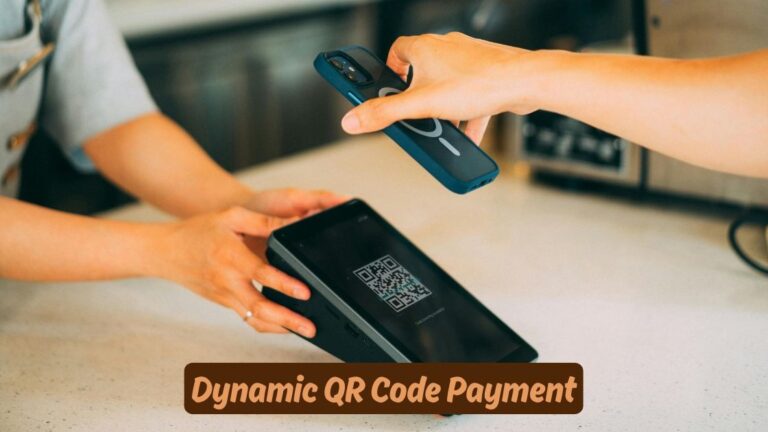
In this model, the merchant displays a static or dynamic QR code at their counter or on a digital screen. The customer scans the code, enters the amount if required, and completes the payment. Static codes remain the same for every transaction, while dynamic codes change with each new sale for added security.
Customer Presented QR Codes
Here, the customer generates a unique QR code within their payment app. The merchant then scans this code using their own device or barcode reader to pull the payment. This method is commonly seen in grocery stores, fast food chains, and transit systems worldwide.
Key Benefits of QR Code Payments
Now that you understand how QR code payments work, it is worth exploring why they have become so popular. For casual shoppers and scaling enterprises alike, QR code payments present a rare opportunity where every participant walks away winning.
- Speed and Convenience: Transactions complete within seconds, eliminating long checkout lines and manual cash handling.
- Low Setup Cost: Merchants need no expensive card terminals since a printed QR code or a smartphone is sufficient.
- Enhanced Security: Each transaction uses encrypted data and tokenization, reducing the risk of fraud significantly.
- Universal Accessibility: Anyone with a smartphone and a payment app can make or receive QR code payments instantly.
- Seamless Integration: QR payment technology easily integrates with existing mobile banking apps, digital wallets, and e-commerce platforms.
Security Features Behind QR Code Payments
One of the most common concerns people have when learning how QR code payments work is whether their money and personal data are truly safe. Payment security experts confirm that QR transactions are protected by multiple layers of defense.
Encryption and Tokenization
Every QR code payment is encrypted end to end, meaning the data cannot be intercepted or read during transmission. Additionally, tokenization replaces sensitive financial details with random tokens, so your actual bank account or card number is never exposed during a transaction.
Fraud Detection Systems
Modern QR code payment platforms employ artificial intelligence and machine learning algorithms that monitor transactions in real time. These systems flag suspicious activity instantly, adding another critical layer of protection to how QR code payments work behind the scenes.

Challenges and Limitations
Despite their many advantages, QR code payments are not without drawbacks. Understanding how QR code payments work also means recognizing their current limitations.
- Internet Dependency: Most QR transactions require an active internet connection on at least one device.
- Phishing Risks: Fraudsters can replace legitimate QR codes with malicious ones that redirect payments to unauthorized accounts.
- Limited Adoption in Some Regions: Not all merchants or consumers in certain areas have adopted QR code payment infrastructure yet.
- Device Dependency: A dead phone battery or a malfunctioning camera can render QR code payments completely unusable.
- Standardization Issues: Different countries and platforms often use different QR code formats, creating interoperability challenges.
Why Fintech Experts Recommend QR Code Payments
Leading fintech analysts and payment security professionals consistently highlight QR code payments as one of the most promising cashless transaction technologies available today. They emphasize that how QR code payments work reflects a perfect balance between user simplicity and backend security sophistication. As digital payment adoption continues to rise globally, experts predict that QR code payment systems will become even more advanced, incorporating biometric authentication and blockchain verification to further strengthen trust and efficiency in everyday transactions.
Conclusion
Understanding how QR code payments work is no longer just a matter of curiosity it is essential knowledge in today’s rapidly evolving digital economy. As we have explored throughout this guide, the process involves a sophisticated combination of encrypted data encoding, secure payment gateways, real-time bank communication, and advanced fraud detection systems that all function together within seconds to complete a seamless contactless transaction.
From the moment you scan a merchant’s code to the instant funds settle in their account, every step is designed with both speed and security in mind. We have also seen that QR code payment systems come in different formats, each serving unique business needs, whether it is a small street vendor using a simple static code or a large retail chain processing thousands of dynamic QR transactions daily.
The benefits are clear: lower costs, faster checkouts, stronger security, and greater accessibility for both consumers and businesses. At the same time, challenges like internet dependency and static code vulnerabilities remind us that no payment method is without its risks. Following expert recommended safety practices ensures your mobile payment experience stays protected.
As cashless payment adoption continues to accelerate globally and fintech innovation pushes digital wallet technology forward, QR code payments are firmly positioned as a cornerstone of modern commerce. Whether you are a business owner looking to simplify transactions or a consumer seeking convenience, knowing how QR code payments work empowers you to make smarter, safer financial decisions every single day. The future of contactless digital payments is already here, and it fits right inside your smartphone.