Mobile payment for small business has quickly shifted from a modern convenience to an absolute necessity in today’s fast-moving digital economy. Customers no longer want to fumble with cash or wait for slow card machines they expect quick, seamless, and secure transactions every single time they shop. If your business hasn’t adapted yet, you’re likely losing revenue to competitors who already have.
The truth is, adopting digital payment solutions isn’t just about keeping up with trends. It’s about creating a smoother customer experience, speeding up payment processing, and opening doors to growth opportunities you may not have considered before. From local coffee shops to freelance consultants, businesses of every size are now leveraging contactless payments and mobile POS systems to serve customers faster and more efficiently than ever.
But here’s where most small business owners get stuck choosing the right platform, understanding the fees, ensuring security, and actually integrating everything without disrupting daily operations. With dozens of providers flooding the market, the decision can feel overwhelming and confusing.
That’s exactly why this guide exists. In this comprehensive article, we’ll walk you through everything you need to know about mobile payment for small business from how these systems actually work to the proven strategies that drive real growth. You’ll discover how to compare top providers, reduce transaction costs, protect customer data, and use cashless transactions to boost your bottom line.
Whether you’re just getting started or looking to upgrade your current setup, this expert guide will give you the clarity and confidence to make the smartest mobile payment decisions for your small business moving forward.
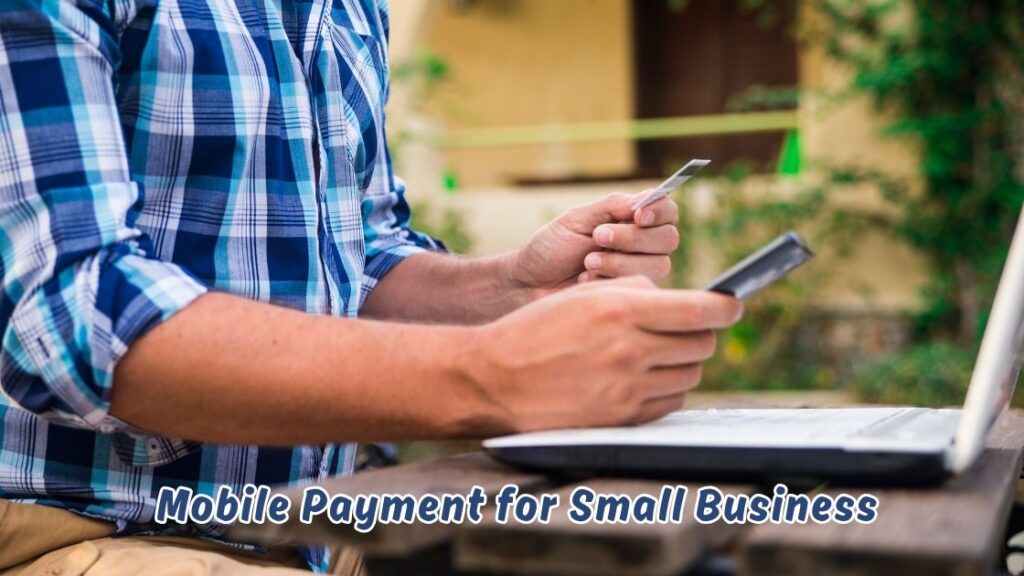
What Is Mobile Payment for Small Business?
At its core, mobile payment for small business refers to any transaction processed through a smartphone, tablet, or portable wireless device instead of a traditional cash register or fixed terminal. These systems allow business owners to accept payments anywhere whether at a physical storefront, a pop up market, or even a customer’s doorstep.
The concept has evolved significantly over the past decade. What started as simple card readers plugged into phones has now grown into sophisticated ecosystems that handle invoicing, inventory tracking, customer analytics, and loyalty programs all in one place. Today, mobile payment for small business is no longer a novelty; it’s a foundational tool that powers everyday commerce for millions of entrepreneurs worldwide. For a firsthand look at how a small business implements contactless payments in daily operations, check out my real experience using a contactless machine for small business transactions.
How Mobile Payments Actually Work
Understanding the mechanics behind mobile payment for small business helps owners make smarter decisions. The process is straightforward. A customer initiates a payment using their smartphone, smartwatch, or contactless card. The payment data is encrypted and transmitted through a mobile POS system to a payment processor. The processor then communicates with the customer’s bank and the merchant’s bank to verify funds, authorize the transaction, and transfer the money.
The entire cycle happens in just a few seconds, making it one of the fastest digital payment methods available today. Technologies like NFC (Near Field Communication), QR codes, and tap to pay systems are the driving forces behind this speed and convenience.
Why Mobile Payment for Small Business Matters in 2026
The significance of adopting mobile payment for small business cannot be overstated. Consumer behavior has fundamentally changed. Studies consistently show that customers prefer cashless transactions over carrying physical wallets, and businesses that fail to offer digital options risk losing a growing segment of their audience.
Beyond customer preference, there’s a strong financial case. Mobile payment systems typically process transactions faster, reduce human error, and lower the operational costs associated with handling cash. For small businesses operating on thin margins, these efficiencies translate directly into higher profitability and better cash flow management.
Key Benefits and Advantages
Implementing mobile payment for small business offers a range of tangible benefits that impact both daily operations and long term growth. Here are the most significant advantages every business owner should understand.
- Faster checkout experience that reduces wait times and keeps customers happy and returning consistently.
- Lower hardware costs since most systems only require a smartphone and a compact card reader device.
- Real time sales tracking that gives owners instant visibility into revenue, inventory, and customer spending patterns.
- Improved security through encryption and tokenization, which protects sensitive customer payment data far better than cash handling.
- Greater flexibility to accept payments at events, remote locations, and on the go without being tied to a fixed counter.
These advantages collectively make mobile payment for small business one of the smartest investments an entrepreneur can make today.
Types of Mobile Payment Solutions Available
Not every mobile payment system works the same way, and choosing the right one depends on your specific business model. Understanding the different categories helps you match the solution to your needs.
Contactless and NFC Payments
These include platforms like Apple Pay, Google Pay, and Samsung Pay. Customers simply tap their phone or smartwatch near a terminal and the transaction completes instantly. This method is ideal for retail stores, cafes, and any business with high foot traffic that needs speed at the checkout counter.
QR Code Based Payments
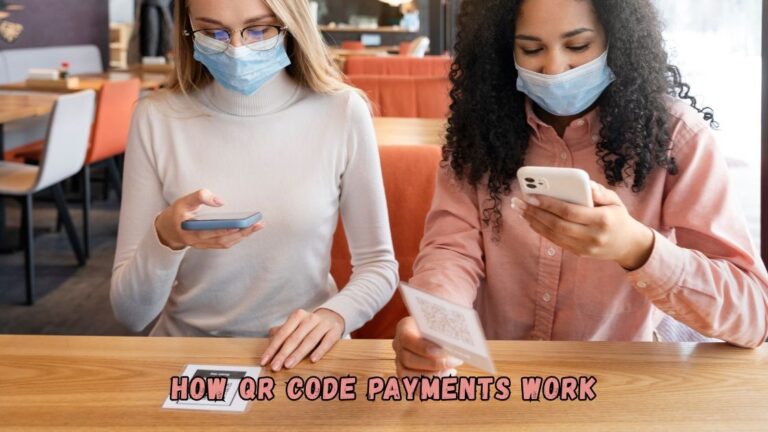
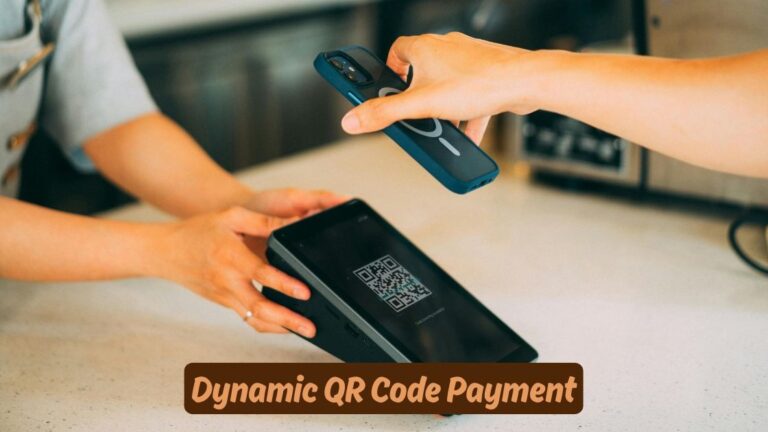
QR payments have gained massive popularity globally. The business displays a unique code, the customer scans it with their phone, and the payment is processed through a connected app. This option is particularly cost effective because it eliminates the need for expensive point of sale hardware entirely.
Mobile Card Readers
Portable card readers that connect to smartphones via Bluetooth are a staple for freelancers, market vendors, and service providers. These small devices accept chip cards, magnetic swipe cards, and contactless payments, making them versatile and affordable.
In App and Online Payments
For businesses that operate online or offer delivery services, in app payment integration allows customers to pay directly through a mobile application or website. This type of mobile payment for small business is essential for ecommerce entrepreneurs and service based companies.
Challenges and How to Overcome Them
While mobile payment for small business offers tremendous value, it’s important to acknowledge the challenges that come with adoption. Transaction fees can vary significantly between providers, and choosing the wrong platform may quietly eat into your profits over time. Additionally, internet connectivity issues can occasionally disrupt transactions, especially in rural or underserved areas.
Security concerns also remain top of mind for many business owners. Although modern systems use advanced fraud protection and encryption, staying updated on compliance standards like PCI DSS is essential to maintaining customer trust.
The good news is that most of these challenges are manageable with proper research and planning. Comparing provider fees, investing in a reliable internet backup, and choosing platforms with built in security features will put your business in a strong position.
Tips for Choosing the Right Mobile Payment Provider
Selecting the best mobile payment for small business requires evaluating several key factors before committing to any platform.
- Compare transaction fees carefully, including monthly charges, per transaction rates, and any hidden costs that providers may not advertise upfront.
- Check hardware compatibility to ensure the system works seamlessly with your existing devices and operating systems.
- Prioritize customer support by choosing providers known for responsive and helpful service when technical issues arise.
- Look for scalability so the platform can grow alongside your business without requiring a complete system replacement later.
- Read real user reviews from other small business owners to get honest insights about reliability, ease of use, and overall satisfaction.
Taking time to evaluate these factors ensures that your chosen mobile payment for small business solution genuinely supports your growth rather than creating new headaches down the road.
Conclusion
The way customers pay is evolving rapidly, and businesses that embrace this shift early will always have a competitive edge. Throughout this guide, we’ve explored how mobile payment for small business works, the different types of solutions available, the meaningful benefits they deliver, and the practical strategies for choosing the right provider that fits your unique needs.
From faster checkouts and improved cash flow to stronger customer trust and actionable sales data, the advantages of going mobile are difficult to ignore. Yes, challenges like transaction fees, security concerns, and staff adoption exist but as we’ve discussed, each one has a clear and manageable solution when approached thoughtfully.
The businesses succeeding today aren’t always the ones spending the most money. They’re the ones willing to adapt, invest in better digital payment tools, and meet their customers exactly where they are.Whether you own a local bakery, an expanding ecommerce shop, or a freelance consulting service, choosing the right mobile payment for small business solution can open doors to growth you never imagined possible just a few years back.
Now is the time to evaluate your current payment setup honestly. Compare providers, test the platforms that align with your goals, and start building a seamless checkout experience that keeps customers coming back. The longer you wait, the more revenue and loyalty you leave on the table. Your next phase of business growth could start with one simple upgrade the way you accept contactless payments today.