Tech companies remote work capabilities have fundamentally reshaped how organizations attract and retain top engineering talent worldwide. Geographic boundaries no longer limit hiring possibilities as distributed infrastructure enables seamless collaboration across continents and time zones. Forward thinking organizations recognize that competing for exceptional professionals requires offering flexibility that traditional office environments cannot match.
This article explores how leading enterprises build robust distributed workforce frameworks supporting employees regardless of location. You will discover strategies for implementing virtual collaboration platforms that maintain productivity while fostering team cohesion. We examine critical elements including asynchronous communication protocols, cloud based development environments, and remote onboarding systems that accelerate new hire integration. Whether you oversee talent acquisition or manage distributed engineering teams, this comprehensive guide delivers actionable insights for leveraging tech companies remote capabilities to secure competitive advantage in increasingly global talent markets.
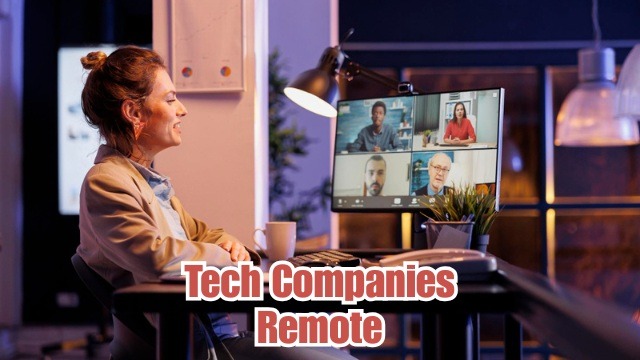
Understanding Remote Work Infrastructure in Technology Organizations
Tech companies remote work infrastructure encompasses the comprehensive systems, tools, and processes enabling employees to collaborate effectively from any location worldwide. This infrastructure extends beyond basic video conferencing to include sophisticated platforms supporting code collaboration, project management, security protocols, and cultural connection across distributed teams.
The evolution of remote work in technology began long before recent global events accelerated adoption. Early pioneers experimented with telecommuting arrangements during the 1990s when internet connectivity made basic communication possible. However, bandwidth limitations and immature collaboration tools restricted widespread implementation. Tech companies remote capabilities remained exceptions rather than standard operating procedures throughout this period.
The landscape transformed dramatically as cloud computing matured and collaboration platforms achieved enterprise readiness. Organizations discovered that distributed workforce frameworks could deliver productivity matching or exceeding traditional office environments. This realization prompted fundamental reconsideration of assumptions about where and how knowledge workers perform most effectively.
The Strategic Importance of Global Talent Acquisition
Accessing talent beyond geographic boundaries provides significant competitive advantages for technology organizations. Local labor markets often lack sufficient qualified candidates for specialized roles. Organizations limiting recruitment to commuting distance from physical offices constrain their talent pools unnecessarily while competitors tap global resources.
Tech companies remote hiring strategies unlock access to exceptional professionals regardless of their physical location. Engineers in emerging technology hubs bring fresh perspectives and diverse problem solving approaches. This diversity strengthens team capabilities and drives innovation that homogeneous groups rarely achieve.
Compensation economics also favor distributed hiring approaches in many scenarios. Organizations can offer competitive packages attracting top talent in regions with lower cost of living. Employees enjoy improved purchasing power while companies optimize budget allocation. These arrangements create mutual benefits impossible within traditional employment models.
Building Effective Distributed Workforce Frameworks
Successful distributed workforce frameworks require intentional design addressing communication, collaboration, and cultural dimensions. Random tool adoption without strategic planning creates fragmented experiences frustrating employees and undermining productivity goals.
Virtual collaboration platforms form foundational infrastructure supporting daily interactions across distributed teams. These systems must handle synchronous communication through video and voice while enabling asynchronous exchanges accommodating different time zones. Tech companies remote operations depend on platforms scaling from small team discussions to organization wide announcements seamlessly.
Documentation practices become critically important when teams cannot rely on informal conversations occurring naturally in shared physical spaces. Written communication preserves institutional knowledge and enables asynchronous consumption by colleagues working different schedules. Organizations must cultivate cultures valuing thorough documentation as essential rather than optional.
Benefits of Remote First Technology Organizations
Organizations embracing tech companies remote models comprehensively realize substantial advantages across multiple dimensions. The following outcomes represent commonly observed benefits among enterprises executing distributed strategies effectively:
- Expanded talent pools accessing qualified candidates globally rather than limiting recruitment to single metropolitan areas with finite professional populations.
- Reduced real estate expenses eliminating costly office leases while redirecting savings toward compensation, technology investments, and employee benefits programs.
- Improved employee satisfaction as workers gain flexibility managing personal responsibilities alongside professional commitments without lengthy commutes consuming time.
- Enhanced business continuity with distributed infrastructure proving resilient against localized disruptions affecting traditional centralized office operations.
- Increased productivity as employees work during their most effective hours rather than conforming to standardized schedules misaligned with individual rhythms.
Asynchronous communication protocols amplify these benefits by removing synchronous meeting dependencies that fragment focus time. Teams accomplish more when individuals can engage with communications according to their schedules rather than constant interruptions.

Challenges Facing Distributed Technology Teams
Despite compelling advantages, tech companies remote operations encounter significant challenges requiring thoughtful mitigation strategies. Maintaining team cohesion without shared physical presence demands deliberate effort that spontaneous office interactions previously provided automatically.
Communication clarity becomes paramount when visual cues and informal context disappear from interactions. Written messages can convey unintended tones creating misunderstandings that escalate unnecessarily. Cloud based development environments must incorporate collaboration features supporting real time and asynchronous code review without friction.
Remote onboarding systems require particular attention as new employees lack organic exposure to organizational culture and institutional knowledge. Without structured approaches, new hires struggle building relationships and understanding unwritten expectations that experienced colleagues internalized gradually through observation.
Strategies for Overcoming Remote Work Obstacles
Intentional relationship building replaces accidental connections occurring naturally in physical offices. Organizations should schedule virtual social interactions providing opportunities for personal connection beyond task oriented discussions. These investments in human connection yield returns through improved collaboration and reduced turnover.
Tech companies remote culture must emphasize overcommunication as standard practice. Leaders should model transparency by sharing context behind decisions and encouraging questions without judgment. This openness builds trust essential for effective distributed collaboration across organizational boundaries.
Regular synchronous touchpoints maintain alignment while respecting asynchronous work preferences. Weekly team meetings provide forums for discussion requiring real time interaction. However, organizations should guard against meeting proliferation consuming time better spent on focused work activities.
Industry Examples and Practical Applications
Leading software organizations demonstrate tech companies remote excellence through sophisticated infrastructure investments. GitLab operates as a fully distributed company with employees spanning dozens of countries. Their comprehensive handbook documents processes enabling effective collaboration without shared physical space.
Automattic builds products used by millions while maintaining a distributed workforce spanning global time zones. Their asynchronous communication protocols enable continuous progress as work passes between team members across different regions. Virtual collaboration platforms support product development matching quality standards of traditional organizations.
Shopify transitioned to digital by default model prioritizing distributed work while maintaining optional office access. Their approach balances flexibility preferences with opportunities for in person connection when desired. Cloud based development environments support engineering teams delivering platform capabilities serving millions of merchants worldwide.
Coinbase adopted remote first policies expanding talent acquisition beyond traditional technology hubs. Their distributed workforce frameworks demonstrate that financial technology requiring rigorous security can operate effectively without centralized physical presence. The organization attracts specialists globally who would never relocate to a single headquarters location.
Conclusion:
Organizations embracing tech companies remote capabilities unlock unprecedented access to global talent pools that traditional office models cannot match. The strategic implementation of distributed workforce frameworks combined with robust virtual collaboration platforms creates environments where exceptional professionals thrive regardless of geographic location. Success requires intentional investment in asynchronous communication protocols, cloud based development environments, and remote onboarding systems that foster connection and productivity. While challenges around team cohesion and communication clarity demand attention, the benefits far outweigh obstacles. Tech companies remote operations represent the future of technology workforce management. Enterprises committed to building sophisticated distributed infrastructure will attract top talent and outperform competitors constrained by outdated location dependent hiring approaches.