
Types of digital payments have transformed how people send, receive, and manage money in everyday life. From my experience covering fintech trends, the shift toward cashless transactions isn’t just about convenience it’s about speed, security, and smarter financial control. Today, consumers and businesses rely on digital wallets, UPI systems, mobile banking apps, and card-based online transactions to make payments instantly across platforms.
This article breaks down the most common payment methods used worldwide, explaining how each works with real-life examples. You’ll also learn about essential payment security features, including encryption and authentication, and understand the practical benefits for users and merchants alike. Whether you’re new to cashless payments or looking to deepen your knowledge, this guide will help you choose safer, faster, and more efficient digital payment options with confidence.

Understanding Digital Payment Systems in the Modern Economy
Types of digital payments refer to electronic methods that allow money transfers without physical cash. These systems rely on internet connectivity, banking infrastructure, and secure payment gateways to process transactions in real time. Over the last decade, fintech innovation and smartphone adoption have pushed digital transactions into everyday routines, from shopping online to paying utility bills. What once required physical presence at a bank can now be completed within seconds using mobile banking or online payment platforms. Understanding these systems helps users choose reliable methods that balance convenience, speed, and payment security.
Evolution and Background of Cashless Transactions
Digital transactions began with basic card payments and online banking services. As internet access expanded globally, newer solutions such as digital wallets and UPI based systems emerged, shaping modern types of digital payments. These developments reduced dependency on cash and enabled financial inclusion for users who previously lacked access to traditional banking. Today, the growth of ecommerce and contactless payments shows how deeply embedded digital payment solutions have become in both personal and business finance.
Major Types of Digital Payments Explained
Card Based Payments
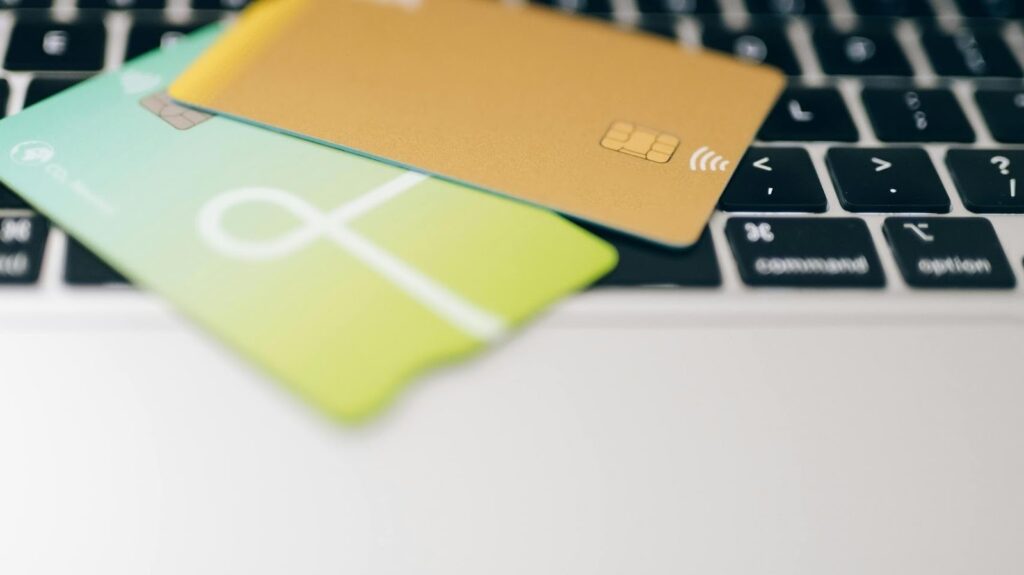
Debit and credit cards remain widely used for online payments and in store purchases. These cards connect directly to bank accounts or credit lines and use authentication methods such as PINs and OTP verification. Card payments are favored for their global acceptance and layered security protocols.
Digital Wallets and Mobile Apps
Digital wallets store card or bank details securely within an app, making them an important part of types of digital payments. Users can pay merchants, transfer funds, and track expenses instantly. Popular wallet apps integrate biometric authentication and encryption, making them a trusted choice for mobile users.
Bank Transfers and Online Banking
Online banking allows direct account to account transfers using net banking platforms. This method is commonly used for high value transactions, bill payments, and salary transfers due to its reliability and traceability.
UPI and Instant Payment Systems
UPI systems enable real time transfers using mobile numbers or virtual IDs. These platforms are known for speed, ease of use, and low transaction costs, making them ideal for daily peer to peer payments.
Contactless and QR Code Payments
Contactless payments use NFC or QR codes to complete transactions without physical contact, making them a fast option among types of digital payments. They are especially popular in retail environments where quick checkout is essential.
Key Features That Make Digital Payments Reliable
The success of types of digital payments depends on strong features designed to protect users and streamline transactions. These features work together to create trust and efficiency across platforms.
- End to end encryption for data protection
- Multi factor authentication for user verification
- Instant transaction confirmation
- Transaction history and tracking
- Wide merchant and platform compatibility
Benefits for Consumers and Businesses
Digital payment methods offer measurable advantages over cash based systems. For consumers, they provide convenience, transparency, and better control over spending. For businesses, they reduce operational costs and improve transaction speed. Another benefit is accessibility, as users can make payments anytime without visiting physical locations. Enhanced payment security also lowers fraud risks, which builds long term trust in digital ecosystems.
Practical Use Cases and Examples
A shopper using a digital wallet to pay for groceries experiences faster checkout and automatic expense tracking. A freelancer receiving payments through online banking benefits from clear transaction records. Small businesses using QR payments reduce cash handling while offering customers multiple payment options. These examples show how digital solutions adapt to different financial needs.
Challenges and Limitations to Consider
Despite their advantages, types of digital payments also face challenges. Internet dependency can limit access in low connectivity areas. Users may also face cybersecurity threats if they ignore basic safety practices. Additionally, transaction fees and platform limitations can affect certain users and merchants. Awareness and responsible usage are key to minimizing these drawbacks.
How Digital Payments Work Step by Step
Understanding the process behind digital transactions builds confidence and trust. While platforms vary, the core steps remain similar across most systems.
- User initiates payment through an app or website
- Payment details are encrypted and sent to the gateway
- Bank or payment processor verifies authentication
- Funds are transferred between accounts
- User and merchant receive confirmation instantly
Choosing the Right Digital Payment Method
Selecting the best option depends on transaction size, frequency, and personal preferences. For daily expenses, mobile wallets and UPI systems work well. For larger transfers, online banking offers better control. Businesses should consider platforms that balance cost, security, and customer convenience. Understanding the available options ensures smarter financial decisions.
Final Thoughts on Digital Payment Adoption
As technology evolves, types of digital payments will continue to expand and improve. Their role in shaping modern finance is undeniable, offering faster transactions, improved security, and broader financial inclusion. By understanding how these systems work and where they fit best, users can confidently embrace cashless solutions that align with their lifestyle and financial goals.
Conclusion
Digital payments have become an essential part of modern financial systems, offering speed, convenience, and enhanced security for users worldwide. This article explored the major types of digital payments, their evolution, key features, benefits, challenges, and real-world use cases. From cards and digital wallets to UPI and contactless methods, each option serves different needs while supporting a cashless economy. Understanding these systems helps individuals and businesses make safer, smarter financial choices. As technology continues to advance, digital payment solutions will play an even greater role in driving efficiency, transparency, and financial inclusion.