Looking to maximize revenue and streamline your sales strategy? AI sales forecasting software is transforming how businesses predict future sales, optimize resources, and make data-driven decisions. In this article, we’ll explore how predictive analytics, machine learning algorithms, sales pipeline optimization, demand forecasting, revenue growth strategies, and business intelligence tools can work together to give your company a competitive edge.
You’ll learn how advanced technologies not only improve forecast accuracy but also empower teams to act proactively on market trends. By understanding the capabilities and applications of AI sales forecasting software, you can make smarter decisions, reduce inefficiencies, and ultimately boost profits while staying ahead in an ever-changing market.
Understanding AI Sales Forecasting Software
AI sales forecasting software is a modern tool that uses advanced algorithms to predict future sales trends and revenue. By analyzing historical data, customer behavior, market trends, and other critical factors, this software enables businesses to make informed decisions. Traditionally, sales forecasting relied on manual methods, which were often prone to errors and could not account for sudden market changes. AI has revolutionized this process by providing more accurate, data-driven insights, reducing uncertainty, and improving efficiency.
The Background:
The concept of sales forecasting is decades old, but integrating artificial intelligence into this process is relatively new. Early forecasting relied on spreadsheets and historical averages. With the advent of machine learning and predictive analytics, businesses could detect patterns invisible to the human eye. Companies began adopting AI sales forecasting software to automate repetitive tasks, anticipate customer needs, and identify growth opportunities. Today, this software is considered essential for competitive businesses seeking sustainable revenue growth.
Importance of AI Sales Forecasting :
AI sales forecasting software is crucial for companies that aim to remain competitive in dynamic markets. It provides actionable insights that guide decision-making and resource allocation. Companies using AI forecasting tools benefit from improved accuracy, enhanced operational efficiency, and proactive strategies to manage risks.
Strategic Decision-Making
Accurate sales forecasts enable management teams to make strategic decisions about inventory, marketing campaigns, and sales targets. By understanding potential revenue trends, businesses can allocate resources efficiently and avoid overstock or missed opportunities.
Enhancing Customer Experience
Predicting customer needs allows businesses to tailor their offerings, ensuring products and services are available when demand is highest. This improves customer satisfaction and loyalty, which are vital for long-term growth.
Benefits of AI Sales Forecasting Software
Businesses adopting AI sales forecasting software gain numerous advantages, from operational efficiency to revenue optimization. Some of the key benefits include:
- Increased Forecast Accuracy:AI analyzes large datasets to identify trends and anomalies, significantly improving the reliability of sales predictions.
- Improved Resource Allocation:Companies can plan staffing, inventory, and marketing initiatives more efficiently based on anticipated sales.
- Reduced Operational Risks:Forecasting helps anticipate market fluctuations, minimizing potential losses and strategic missteps.
- Enhanced Sales Performance:Sales teams receive actionable insights, enabling them to target high-value opportunities and close deals faster.
- Competitive Advantage:Businesses leveraging AI forecasting can react faster to market changes, staying ahead of competitors.
Real-World Examples
Retail giants often use AI sales forecasting software to optimize inventory and promotions. For example, e-commerce platforms can predict product demand during seasonal sales, ensuring adequate stock and maximizing revenue. Manufacturing companies also rely on AI forecasting to manage production schedules and reduce waste.
Challenges in Implementing AI Sales Forecasting Software
While the advantages are clear, implementing AI sales forecasting software comes with challenges. Understanding these obstacles helps businesses prepare and implement solutions effectively.
Data Quality Issues
The accuracy of AI forecasting depends heavily on the quality of historical data. Inconsistent or incomplete data can lead to flawed predictions. Companies must ensure clean, structured, and reliable datasets.
Integration with Existing Systems
Integrating AI forecasting tools with existing CRM, ERP, and sales management systems can be complex. Seamless integration is necessary to fully leverage AI capabilities.
Cost and Resource Constraints
Advanced AI software requires investment in technology and skilled personnel. Small businesses may face budget constraints, making adoption challenging.
Resistance to Change
Employees accustomed to traditional methods may resist transitioning to AI-based forecasting. Training and clear communication are essential to ensure smooth implementation.
Advanced Techniques and Features
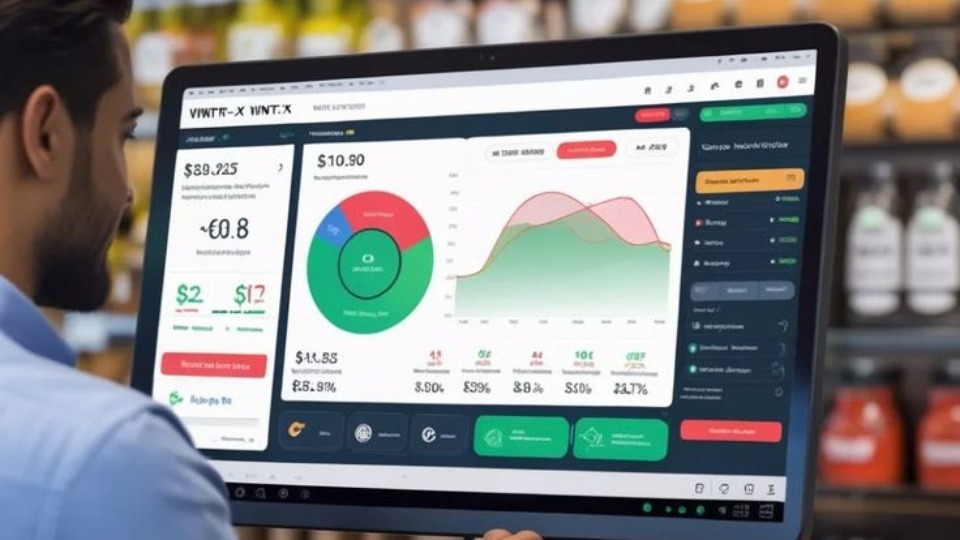
Modern AI sales forecasting software offers advanced functionalities that go beyond basic predictions.
Predictive Analytics
The software uses predictive analytics to analyze trends, seasonality, and customer behaviors. This helps anticipate future demand and revenue patterns.
Machine Learning Algorithms
Machine learning algorithms improve forecasts over time by learning from new data. This enables adaptive predictions that adjust to changing market conditions.
Scenario Planning
Some AI forecasting tools allow scenario modeling, enabling companies to simulate different business conditions and plan strategies accordingly.
Automation and Workflow Integration
Automation reduces manual effort in forecasting, allowing sales teams to focus on strategy and customer engagement. Integration with workflow tools ensures predictions are actionable and aligned with business operations.
Conclusion:
In today’s competitive business landscape, AI sales forecasting software has become an essential tool for improving accuracy, optimizing resources, and driving revenue growth. By leveraging predictive analytics, machine learning algorithms, and real-time data insights, companies can make informed decisions, enhance operational efficiency, and anticipate market trends. The software not only streamlines sales planning but also strengthens customer relationships and supports strategic growth initiatives. Businesses that embrace these advanced technologies gain a significant competitive advantage, ensuring better forecasting, improved sales performance, and more effective demand planning across all operations.