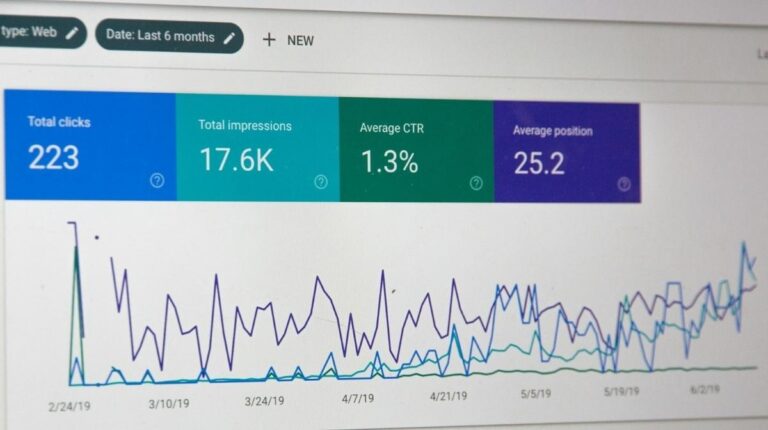
Growth hacking ecommerce is the art of using rapid, data driven experiments to grow an online store’s traffic, conversions, and revenue without relying on massive advertising budgets. It blends marketing creativity with product thinking and analytics to find the fastest, most cost effective paths to sustainable growth.
If your store’s revenue has plateaued while ad costs keep climbing, growth hacking offers a way out. Instead of throwing more money at paid channels, you systematically test small, high impact changes across your entire sales funnel, keep what works, and cut what does not.
This guide walks you through 10 battle tested ecommerce growth hacking strategies, backed by real data, that you can start implementing this week.
Table of Contents

What Is Growth Hacking for Ecommerce and Why Does It Matter?
Growth hacking for ecommerce is a methodology that prioritizes rapid experimentation across marketing, product, and customer experience to identify the most efficient ways to grow revenue. Sean Ellis, the marketer who coined the term in 2010, defined a growth hacker as someone whose north star metric is growth above all else.
For online stores, this translates to running structured tests across your entire customer journey, from the first ad click all the way through repeat purchases and referrals. Every decision is guided by data, and speed of iteration matters more than perfection.
Core principles of ecommerce growth hacking:
- Test high impact ideas first using a prioritization framework like ICE (Impact, Confidence, Ease)
- Automate and scale whatever produces measurable results
- Optimize across the full customer lifecycle, not just top of funnel traffic
- Treat your product itself as a growth channel through built in sharing and viral mechanics
Why Paid Ads Alone Cannot Sustain Ecommerce Growth Anymore
Customer acquisition costs across ecommerce have surged dramatically. According to SimplicityDX, online customer acquisition costs rose by 222% over approximately eight years, with the average brand now losing around $29 per new customer acquired after factoring in marketing spend and returns. Swell’s 2026 DTC statistics report confirms that average ecommerce CAC climbed 40 to 60% between 2023 and 2025 alone, settling in the $68 to $84 range for most verticals.
Meanwhile, Google Ads cost per click rose 12.88% year over year in 2025, with Shopping ad CPCs jumping over 33%, according to WordStream’s 2025 Google Ads benchmarks. Platforms are getting more expensive while returns are shrinking.
Growth hacking addresses this by diversifying your acquisition channels, squeezing more conversions from existing traffic, and maximizing customer lifetime value so every marketing dollar stretches further.
The AARRR Growth Funnel Applied to Ecommerce
The AARRR framework (also called Pirate Metrics), originally developed by investor Dave McClure, provides a structured way to think about ecommerce growth across five stages:
| Funnel Stage | Ecommerce Goal | Example Tactics |
| Acquisition | Attract qualified visitors | SEO content, influencer seeding, referral programs |
| Activation | Deliver a compelling first experience | Optimized landing pages, welcome discounts, fast load times |
| Retention | Bring customers back repeatedly | Email automation, loyalty rewards, SMS campaigns |
| Revenue | Increase average order value | Upsells, product bundles, dynamic pricing |
| Referral | Turn buyers into advocates | Two sided referral programs, UGC campaigns |
Most store owners pour the majority of resources into acquisition while neglecting retention and referral. Yet returning customers are far more profitable. Research consistently shows that acquiring a new customer can cost 5 to 25 times more than retaining an existing one, according to Harvard Business Review.
Strategy 1: Engineer a Viral Referral Program
A referral program turns your happiest customers into an unpaid sales force. When structured well, it becomes one of the lowest cost acquisition channels available.
How to build a referral engine that actually works:
- Use two sided incentives where both the referrer and the friend receive a reward, such as $15 store credit each
- Integrate one tap sharing for WhatsApp, SMS, email, and social platforms
- Trigger referral prompts at high satisfaction moments like the order confirmation page and post delivery email
- A/B test different reward types (percentage discounts versus flat credits versus free products) to find what drives the most shares
Girlfriend Collective executed this brilliantly during their launch by offering free leggings in exchange for social shares, generating enormous organic visibility with zero traditional ad spend.
Strategy 2: Prioritize Conversion Rate Optimization Over More Traffic
Conversion rate optimization (CRO) is the highest leverage growth hack for any ecommerce store because it multiplies the value of every visitor you already have.
The global average ecommerce conversion rate sits between 2.5% and 3% as of 2025, according to multiple benchmark studies cited by Smart Insights. Stores in the top 20% convert above 3.2%, while the top 10% exceed 4.7%, based onShopify’s internal data. That means most stores have significant room for improvement.
High impact CRO tactics to implement immediately:
- Streamline your checkout to as few steps as possible. Baymard Institute reports that the average cart abandonment rate is approximately 70%, with 22% of shoppers citing a complicated checkout as the reason they left
- Display total costs (including shipping and taxes) early in the shopping journey. Nearly half of all cart abandonment stems from unexpected fees appearing at checkout
- Show trust signals like customer reviews, security badges, and a clear return policy above the fold
- Optimize relentlessly for mobile since over 70% of ecommerce traffic now comes from smartphones, yet mobile conversion rates still lag behind desktop
- Test exit intent popups with a time sensitive offer to recover visitors about to leave
Raising your conversion rate from 2% to 3% on the same traffic volume increases revenue by 50% without a single extra dollar spent on advertising.
Strategy 3: Deploy Automated Email Flows as a Revenue Engine
Email marketing remains one of the most profitable channels in ecommerce. Automated behavioral emails, the kind triggered by specific customer actions, dramatically outperform generic promotional blasts because they reach people at exactly the right moment with a relevant message.
The five essential email automation flows every store needs:
- Welcome series: Introduce your brand, build trust, and offer a first purchase incentive across 3 to 5 emails
- Abandoned cart recovery: Send the first reminder within one hour of abandonment, followed by a second at 24 hours and a final nudge with a small incentive at 48 hours
- Post purchase sequence: Request a product review, suggest complementary items, and prompt a referral
- Browse abandonment: Remind visitors of products they viewed but never added to cart
- Win back campaign: Re engage customers who have not purchased in 60 to 90 days with a personalized offer
Once these flows are configured, they generate revenue around the clock with minimal ongoing maintenance.
Strategy 4: Scale Trust with User Generated Content
User generated content (UGC), including customer photos, videos, and reviews, serves as social proof that branded marketing simply cannot replicate. Shoppers who engage with UGC on product pages convert at meaningfully higher rates than those who do not, according to research from Bazaarvoice.
Practical ways to build a steady stream of UGC:
- Send a post purchase email requesting a photo review in exchange for loyalty points or a discount on the next order
- Launch a branded hashtag campaign and feature the best customer submissions on your social profiles and product pages
- Run monthly photo contests with store credit as the prize
- Add a dedicated customer gallery to your homepage and key category pages
UGC also reduces your content production costs by providing authentic, high performing creative for ads, emails, and social media without a professional photoshoot.
Strategy 5: Build SEO Content Loops That Compound Over Time
Organic search is one of the few truly compounding marketing channels. A well optimized blog post or buying guide can drive qualified traffic for months or years after publication, unlike paid ads that stop the instant you pause your budget.
The key is targeting bottom of funnel keywords where purchase intent is high. Think comparison content (“Product A vs Product B”), buying guides (“best running shoes for flat feet 2026”), and problem solution articles (“how to fix dry skin in winter”) that naturally lead readers toward your products.
How to structure an effective content loop:
- Research long tail keywords your target customers actually search using tools like Ahrefs, Semrush, or Google Search Console
- Create comprehensive, genuinely helpful content that answers the searcher’s question better than anything else on page one
- Link each content piece directly to relevant product or category pages
- Internally link related articles to build topical authority across your site
- Update high performing posts every 6 to 12 months to maintain rankings
This approach builds a self reinforcing flywheel where more content drives more traffic, which generates more data on what customers want, which informs your next piece of content.\

Strategy 6: Personalize the Shopping Experience at Every Touchpoint
Personalization has moved from a competitive advantage to a baseline expectation. McKinsey’s Next in Personalization report found that companies excelling at personalization drive 40% more of their revenue from those activities compared to slower growing competitors. The same research shows that 71% of consumers expect personalized interactions, and 76% become frustrated when brands fail to deliver them.
Start with these accessible personalization tactics:
- Display recently viewed products and personalized recommendations on your homepage and product pages
- Segment your email list by purchase history, browsing behavior, and engagement level
- Use dynamic content blocks in emails that change based on each subscriber’s interests
- Personalize on site search results based on past behavior
- As your data matures, implement predictive product suggestions and tailored homepage experiences
Even basic personalization, like using a customer’s name in email subject lines or showing items related to their last purchase, can produce measurable lifts in open rates, click through rates, and revenue per session.
Strategy 7: Recover Lost Revenue with SMS Marketing
SMS marketing has emerged as a powerful complement to email for ecommerce brands. Text messages have significantly higher open rates than email, and they reach customers in a more immediate, personal channel.
High performing SMS use cases for ecommerce:
- Abandoned cart reminders sent 30 to 60 minutes after the customer leaves
- Flash sale announcements with a time limited discount code
- Back in stock alerts for products a customer previously viewed
- Shipping and delivery updates that build trust and reduce support tickets
- Post purchase review requests with a direct link
The key is to use SMS sparingly and with clear consent. Overuse will lead to opt outs. Limit promotional texts to 2 to 4 per month and ensure every message delivers clear value.
Strategy 8: Leverage Social Commerce and Shoppable Content
Social commerce, the ability to browse and buy products directly within social media platforms, is growing rapidly. Making your products discoverable and purchasable where your audience already spends time removes friction from the buying process.
Tactics to capitalize on social commerce:
- Set up Instagram and Facebook Shops with your full product catalog
- Create short form video content for TikTok and Reels that showcases your products in use
- Partner with micro influencers (10K to 50K followers) who have engaged niche audiences relevant to your product
- Use shoppable pins on Pinterest for product discovery
- Enable live shopping events where you demo products and answer questions in real time
Social commerce works best when it feels native to the platform rather than like a hard sell. Focus on entertaining or educating first, selling second.
Strategy 9: Implement Gamified Loyalty Programs
A well designed loyalty program increases purchase frequency and average order value while reducing churn. Gamification elements like tiers, point multipliers, and milestone rewards make the program more engaging and encourage customers to climb toward the next reward level.
Elements of a high performing loyalty program:
- Points for purchases, reviews, referrals, and social shares
- Tiered membership levels (Bronze, Silver, Gold) with escalating perks
- Birthday rewards and anniversary bonuses to create personal connection
- Early access to new products or sales for top tier members
- A simple, transparent earning and redemption structure that customers can understand instantly
The goal is making repeat purchases feel rewarding rather than transactional, turning one time buyers into long term brand advocates.
Strategy 10: Run Rapid A/B Tests Across Your Entire Funnel
Growth hacking is fundamentally about experimentation. The stores that grow fastest are the ones running the most tests and learning from the results.
What to test and where to start:
- Product page layouts, image styles, and copy variations
- Pricing strategies including bundling, tiered pricing, and threshold based free shipping
- Checkout flow length, guest checkout versus account creation, and payment options
- Email subject lines, send times, and content formats
- Ad creative, targeting audiences, and landing page combinations
Prioritize tests using the ICE framework: score each idea on Impact (how much it could move the needle), Confidence (how sure you are it will work), and Ease (how quickly you can run it). Start with high impact, easy to execute tests and build from there.
Conclusion: Growth Hacking Ecommerce Is a System, Not a Single Tactic
Growth hacking ecommerce is not about discovering one secret trick. It is about building a disciplined system of continuous experimentation where you test ideas rapidly, measure outcomes honestly, and double down on what the data tells you works.
Start with the strategies closest to revenue. Conversion rate optimization, abandoned cart recovery, and email automation will likely produce the fastest returns. Then layer in longer term plays like SEO content loops, referral programs, and personalization as your foundation strengthens.
The brands that scale fastest in 2026 will not be the ones with the biggest ad budgets. They will be the ones that out experiment and out learn their competitors every single week.
Choose one strategy from this guide and put it into action today. If this article helped you think differently about growing your store, share it with a fellow ecommerce founder who could use a fresh perspective.
What is growth hacking in ecommerce?
Growth hacking in ecommerce is a methodology focused on using creative, low cost, and data driven experiments to rapidly increase an online store’s traffic, conversions, and revenue. It emphasizes speed of testing and measurable results across the entire customer journey rather than relying on a single marketing channel.
How is growth hacking different from traditional digital marketing?
Traditional digital marketing involves ongoing activities like running ads, posting on social media, and sending newsletters. Growth hacking is more experimental and sprint based, focused on finding the single most efficient lever for growth at any given moment through rapid testing and iteration.
What are the best growth hacking tools for ecommerce stores?
Widely used tools include Klaviyo or Omnisend for email and SMS automation, Hotjar or Microsoft Clarity for heatmaps and session recordings, VWO or Optimizely for A/B testing, ReferralCandy for referral programs, and Yotpo or Judge.me for reviews and UGC collection. The right stack depends on where your biggest growth bottleneck sits.
Can small ecommerce stores with limited budgets use growth hacking?
Yes, growth hacking is especially suited for smaller stores because it prioritizes creativity and efficiency over large budgets. Many high impact tactics like referral programs, email automation, checkout optimization, and UGC campaigns require minimal financial investment to implement.
How long does it take to see results from ecommerce growth hacking?
Quick win tactics like abandoned cart emails, checkout simplification, and exit intent popups can show measurable results within days to weeks. Longer term strategies like SEO content loops and loyalty programs typically take three to six months to build meaningful momentum. Running multiple experiments in parallel ensures you see both short and long term returns.
What is the AARRR framework and how does it apply to ecommerce?
AARRR stands for Acquisition, Activation, Retention, Revenue, and Referral. Developed by Dave McClure, it provides a structured way to optimize every stage of the customer lifecycle. For ecommerce, it means systematically improving how you attract visitors, convert them into first time buyers, bring them back for repeat purchases, increase their order value, and turn them into advocates who refer new customers.