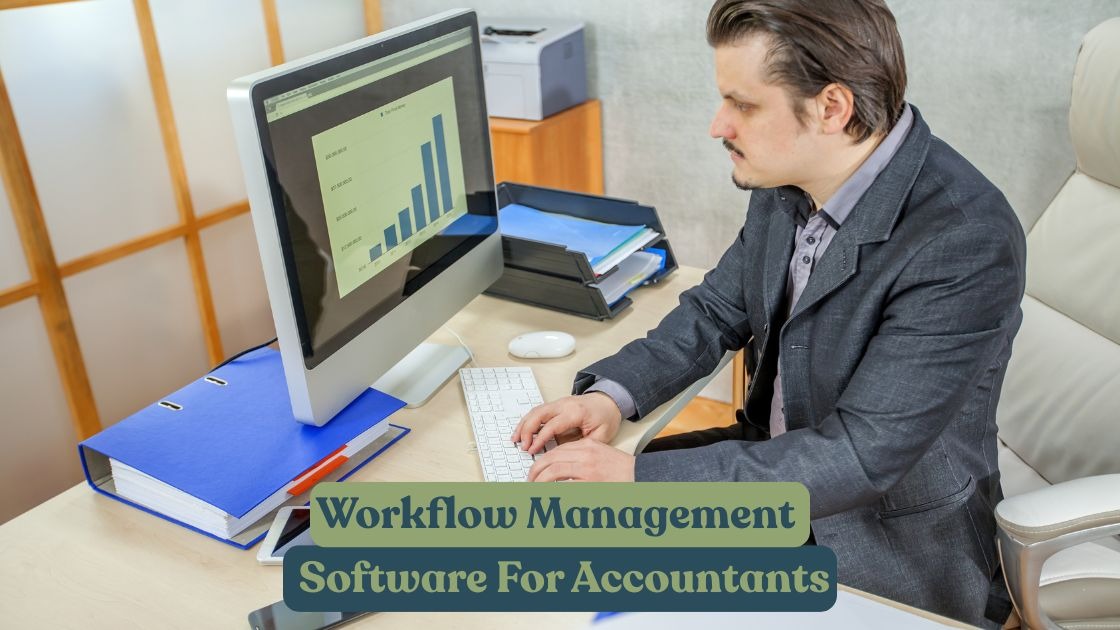
Every accounting firm deals with repetitive tasks, tight deadlines, and endless client paperwork and that is exactly where workflow management software for accountants becomes a game changer. Managing everything manually is no longer practical in today’s fast-paced financial landscape. From task automation to real-time collaboration, the right tools can completely transform how your firm operates daily.
Whether you run a small practice or manage a growing team, adopting workflow management software allows accountants to streamline processes, reduce human errors, and focus on higher-value advisory work. This article explores how these solutions improve accounting productivity, simplify task tracking, enhance team collaboration, and support client management across every stage of your workflow.
By the end, you will understand exactly what features to look for, which platforms stand out, and how to implement the right practice management solution for your firm’s unique needs.
What Is Workflow Management Software for Accountants?
Workflow management software for accountants is a digital solution designed to organize, automate, and monitor everyday accounting tasks from a centralized platform. Instead of relying on spreadsheets, sticky notes, or scattered emails, firms can use these tools to create structured processes that keep every team member aligned and accountable.
At its core, this type of software helps accounting professionals manage client work, assign tasks, set deadlines, and track progress without the constant back and forth. It acts as the operational backbone of a modern accounting practice, bringing clarity and consistency to every engagement.
A Brief Background on Accounting Workflow Tools
Accounting firms traditionally depended on manual checklists and paper trails to manage their workload. As firms grew and client expectations increased, the need for smarter systems became obvious. Workflow management software for accountants emerged as a direct response to these growing operational demands, combining task automation with real-time visibility into team performance.
Why Workflow Management Software Matters for Accountants
The accounting profession is built on accuracy, deadlines, and compliance. Missing a single filing deadline or overlooking a client request can lead to costly penalties and damaged trust. Workflow management software for accountants eliminates these risks by creating repeatable, trackable processes that leave no room for guesswork.
Beyond risk reduction, these tools significantly improve team productivity and operational efficiency. When every task has a clear owner, a defined deadline, and a transparent status, your entire firm operates with greater confidence and speed.
Key Benefits of Using Workflow Management Software for Accountants
Firms that adopt workflow management software for accountants experience measurable improvements across several areas of their practice.
- Automated task assignments reduce manual delegation and save hours every week.
- Centralized dashboards give managers full visibility into workload distribution and project status.
- Deadline tracking ensures no tax filing, audit, or client deliverable falls through the cracks.
- Standardized processes create consistency across engagements regardless of team size.
- Improved client communication through built in portals and notification systems.
These benefits compound over time, making workflow management software for accountants one of the highest return investments a firm can make.
How Workflow Management Software Works for Accountants
The setup process is straightforward for most platforms. Firms begin by mapping out their existing processes such as tax preparation, bookkeeping, payroll management, and audit workflows. These processes are then converted into digital templates within the software.
Once templates are in place, workflow management software for accountants automatically assigns tasks to the right team members based on predefined rules. As each step is completed, the system triggers the next action, sends reminders, and updates the project timeline in real time.
Essential Features to Look For
Not every platform is created equal. When evaluating workflow management software for accountants, prioritize the features that align with your firm’s daily operations.
- Task automation that handles recurring assignments without manual input.
- Client portal integration for seamless document sharing and communication.
- Time tracking capabilities that help monitor billable hours and maximize overall firm profitability.
- Reporting and analytics that highlight bottlenecks and team performance trends.
- Cloud based access enabling remote work and multi location collaboration.
Choosing a platform with these capabilities ensures your firm gets the most value from its investment.

Common Challenges and How to Overcome Them
While the advantages are clear, some firms face initial hurdles during implementation. Resistance to change, data migration concerns, and the learning curve are the most common obstacles. The best approach is to start small by digitizing one or two core processes and expanding gradually as the team gains comfort.
Training and onboarding also play a critical role. Firms that invest time in proper team training see faster adoption rates and stronger long term results with their workflow management software for accountants setup.
Choosing the Right Platform for Your Firm
Every firm has unique needs depending on its size, client base, and service offerings. Some platforms cater specifically to solo practitioners while others are built for mid size and large firms. Comparing pricing, integrations, scalability, and customer support will help you find the best fit.
Workflow management software for accountants is no longer optional for firms that want to stay competitive. It is a strategic necessity that drives growth, accuracy, and client satisfaction across every level of your practice.
Conclusion
Adopting workflow management software for accountants is no longer just a convenience it is a strategic necessity for firms that want to stay competitive. From automating repetitive tasks and improving team collaboration to enhancing client communication and reducing costly errors, the right platform transforms how your practice operates every day. As the accounting industry continues embracing digital transformation, firms that invest in workflow management software position themselves for sustainable growth and long term success. Take the time to evaluate your firm’s needs, explore available solutions, and make a decision that strengthens your productivity, efficiency, and client satisfaction for years ahead.