Technical Guide to Integrating a Mobile Payment Gateway Into Your App Today
If you are building a mobile app that handles transactions, integrating a mobile payment gateway is no longer optional it is essential for delivering a seamless checkout experience to your users. With global digital transactions expected to surpass $15 trillion by 2027, businesses that fail to offer smooth in-app payments risk losing customers to competitors who already do.
But here is the challenge most developers and business owners face: the integration process can feel overwhelming. Between choosing the right payment processing provider, handling API configurations, ensuring PCI compliance, and optimizing the user experience, there are dozens of moving parts that must work together flawlessly.
That is exactly why we created this technical guide.
In this article, we will walk you through the complete step-by-step process of integrating a mobile payment gateway into your application from selecting the best provider for your needs to writing your first payment API call and testing it in a live environment. Whether you are a solo developer building your first app or a product team scaling an existing platform, this guide is designed to simplify every stage of the journey.
We will also cover critical topics like payment security best practices, tokenization, fraud prevention, and how to optimize your checkout flow for higher conversion rates. Along the way, you will find practical code references, real integration examples, and expert recommendations that save you hours of trial and error.
By the end, you will have the confidence and clarity needed to implement a fully functional mobile payment gateway that your users trust and your business relies on. Let’s get started.
What Is a Mobile Payment Gateway and How Does It Work
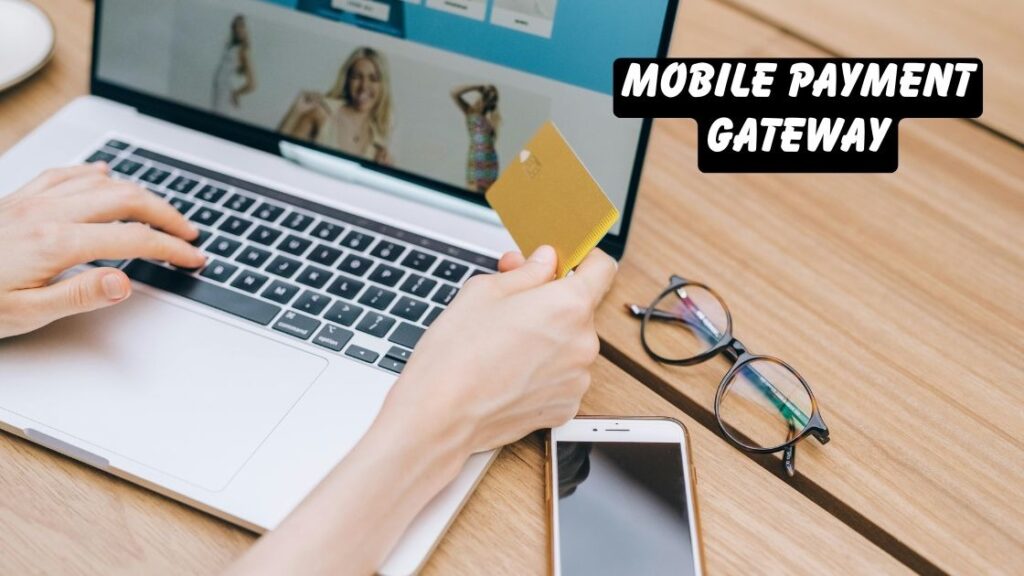
A mobile payment gateway is a technology layer that securely processes financial transactions between a customer’s mobile device and the merchant’s bank account. Think of it as the digital equivalent of a physical card terminal, but designed specifically for smartphones and tablets. When a user taps “Pay Now” inside your app, the gateway encrypts the payment data, communicates with the acquiring bank, verifies funds with the issuing bank, and returns an approval or decline response all within seconds.
Understanding this transaction flow is the foundation of every successful integration. Without a clear picture of how data moves between your app, the payment processor, and the banking networks, you will struggle to troubleshoot errors or optimize your checkout experience down the line.
Why Your App Needs a Mobile Payment Gateway
The shift from desktop to mobile commerce has been dramatic. Today, over 70% of all ecommerce traffic comes from mobile devices, and users expect instant, frictionless transactions at their fingertips. A well integrated mobile payment gateway bridges the gap between your app and your customer’s preferred payment method, whether that is a credit card, digital wallet, or bank transfer.
Beyond convenience, a mobile payment gateway also builds trust. When users see familiar payment options and experience smooth, error free checkouts, they are far more likely to complete a purchase and return for future transactions. For businesses, this translates directly into higher conversion rates, increased revenue, and stronger customer loyalty.
The Business Impact of Seamless Payment Processing
Companies that invest in optimized in-app payment solutions consistently outperform those relying on outdated or clunky checkout systems. Studies show that nearly 70% of mobile shopping carts are abandoned, and a complicated payment process is one of the leading causes. By integrating a reliable mobile payment gateway, you eliminate unnecessary friction and recover a significant portion of those lost sales.
Key Features to Look for in a Mobile Payment Gateway
Not every payment solution is built the same. Before you commit to a provider, it is important to evaluate the features that directly impact your app’s performance and your users’ satisfaction.
- Multi currency and multi language support ensures your app can serve customers across different regions without limitations
- Tokenization and encryption protect sensitive cardholder data by replacing it with unique tokens during every transaction
- Real time fraud detection uses machine learning algorithms to flag suspicious activity before it causes financial damage
- Multiple payment method acceptance including credit cards, debit cards, UPI, and digital wallets like Apple Pay and Google Pay
- Developer friendly API documentation makes the integration process faster and reduces the chances of coding errors
These features are not optional extras. They are the baseline requirements for any mobile payment gateway that you plan to rely on for long term growth.
Step by Step Process to Integrate a Mobile Payment Gateway
Now that you understand the fundamentals, let us walk through the actual integration process. While every provider has slight differences in their setup, the core workflow remains consistent.
Step 1: Choose the Right Payment Gateway Provider
Begin by assessing different providers based on the unique requirements of your business model. Consider factors like transaction fees, supported payment methods, geographic coverage, and the quality of their API documentation. Popular options include Stripe, Razorpay, Braintree, and PayPal, each offering robust mobile SDKs for both Android and iOS platforms.
Step 2: Set Up Your Merchant Account
Once you have selected a provider, you will need to create a merchant account. This involves submitting business verification documents, configuring your payout preferences, and generating your API keys. These keys serve as the secure credentials that connect your app to the payment gateway’s servers.
Step 3: Install the SDK and Configure the API
Most mobile payment gateway providers offer native SDKs that simplify the integration. Install the SDK into your project, initialize it with your API keys, and configure the basic payment parameters such as currency, transaction type, and callback URLs. This is where clean, well structured code matters most.
Step 4: Build and Customize the Checkout Interface
Design a checkout screen that aligns with your app’s branding while keeping the user journey as short as possible. Minimize the number of input fields, enable autofill for returning customers, and clearly display accepted payment options. A smooth checkout UI directly contributes to higher payment completion rates.
Step 5: Test Thoroughly in Sandbox Mode
Before going live, every mobile payment gateway offers a sandbox or test environment. Use it extensively. Simulate successful payments, declined cards, network timeouts, and refund scenarios. Testing is where you catch integration bugs that would otherwise frustrate real customers and cost you revenue.
Common Challenges and How to Overcome Them
Even with a solid plan, integrating a mobile payment gateway comes with potential hurdles. Being aware of them in advance helps you navigate the process more smoothly.
Handling PCI Compliance Requirements
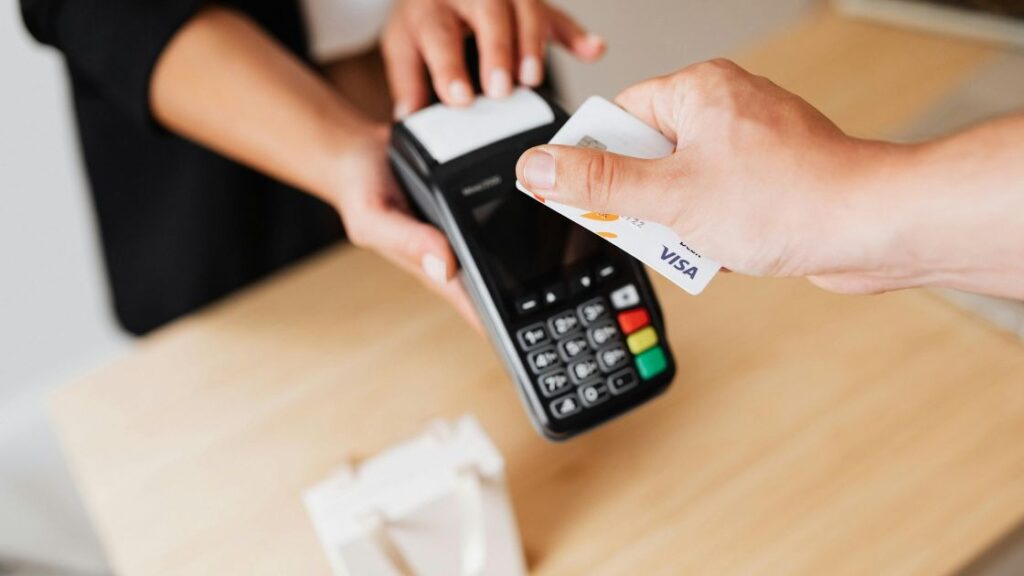
PCI DSS compliance is mandatory for any application that processes card payments. The good news is that most modern gateway providers handle the heavy lifting by offering hosted payment fields and tokenization, which significantly reduce your compliance burden.
Managing Failed Transactions Gracefully
Payment failures happen for many reasons, from insufficient funds to network interruptions. Your app should display clear, user friendly error messages and offer retry options rather than leaving customers confused or stranded on a blank screen.
Ensuring Cross Platform Consistency
If your app runs on both Android and iOS, maintaining a consistent payment experience across platforms is critical. Use the provider’s official SDKs for each platform and test the checkout flow on multiple devices and operating system versions to catch any inconsistencies early.
Best Practices for Long Term Success
Once your mobile payment gateway is live, the work does not stop. Monitor your transaction analytics regularly to identify drop off points in your checkout funnel. Keep your SDK versions updated to benefit from the latest security patches and feature improvements. Most importantly, listen to user feedback because your customers will often spot friction points that analytics alone cannot reveal.
A mobile payment gateway is not just a technical feature. It is a revenue engine that, when properly integrated and maintained, becomes one of the most valuable components of your entire mobile application.
Conclusion
Integrating a mobile payment gateway into your app is one of the most impactful decisions you can make for your business. Throughout this guide, we covered everything from understanding how payment processing works behind the scenes to selecting the right provider, configuring APIs, building a user friendly checkout interface, and testing your setup thoroughly before launch.
The key takeaway is clear: a well implemented mobile payment gateway does far more than just accept payments. It strengthens customer trust, reduces cart abandonment, increases conversion rates, and positions your app for sustainable growth in an increasingly competitive digital marketplace.
We also explored the importance of features like tokenization, fraud detection, PCI compliance, and cross platform consistency all of which play a vital role in delivering a secure and seamless transaction experience. Without attention to these details, even the most beautifully designed app can lose customers at the most critical moment: checkout.
Whether you are a startup launching your first product or an established brand looking to upgrade your in-app payment solution, the steps outlined in this guide give you a practical roadmap to follow with confidence. The technology is accessible, the tools are developer friendly, and the return on investment is undeniable.
Now it is your turn to take action. Choose a reliable mobile payment gateway provider, follow the integration process we discussed, and start delivering the fast, secure, and effortless payment experience your users deserve. The sooner you begin, the sooner your app starts converting browsers into paying customers.