DigitalOcean Payment Methods Overview Credit Cards, PayPal, and Billing Rules
Managing payments on cloud platforms can sometimes feel confusing, but understanding DigitalOcean payment methods makes billing seamless and stress-free. Whether you’re a developer, startup, or business owner, knowing which payment options are available ensures uninterrupted access to servers and services. In this guide, we will explore the most commonly used payment options such as credit cards, PayPal, and other accepted methods, while also covering billing rules, invoicing, and account management tips.
Additionally, we’ll share insights on subscription setup, security precautions, and troubleshooting common payment issues. By the end, you’ll have a clear understanding of how to handle transactions efficiently and avoid unexpected interruptions. This overview is perfect for anyone looking to simplify their DigitalOcean experience and make informed financial decisions.

Understanding DigitalOcean Payment Methods
Cloud platforms like DigitalOcean require smooth billing systems to ensure services run without interruption. DigitalOcean payment methods allow users to manage subscriptions, handle transactions securely, and maintain seamless access to servers and cloud resources. Whether you are a developer deploying projects, a startup managing multiple accounts, or a business scaling infrastructure, understanding how payments work is crucial. This guide explains the available options, key features, and practical tips to help you manage your account efficiently.
Overview of Accepted Payment Options
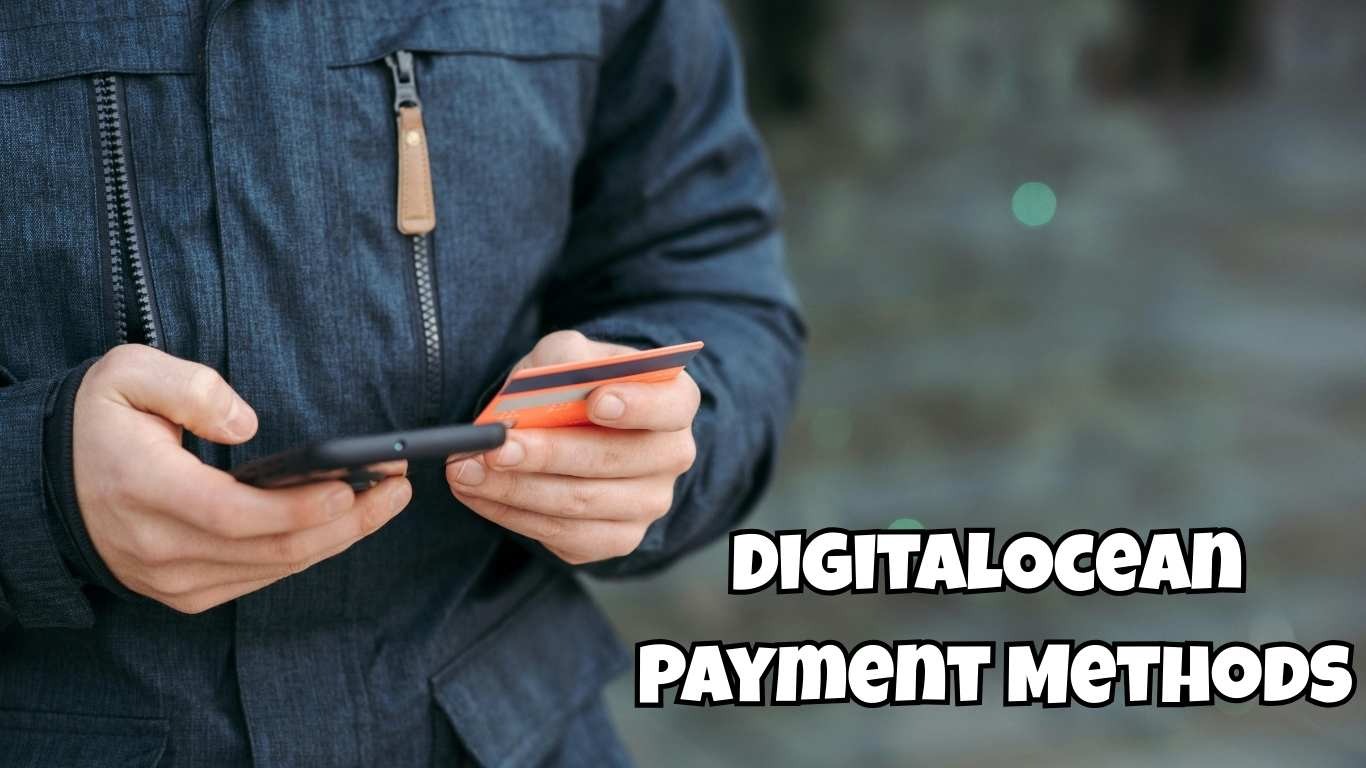
DigitalOcean payment methods offer multiple options to accommodate users worldwide. The most common choices include credit cards, PayPal, debit cards linked to a bank account, and in some regions, prepaid or virtual cards. Credit cards remain the most widely used DigitalOcean payment methods due to automatic billing and broad acceptance. PayPal provides extra convenience for international transactions and added security, while prepaid and virtual cards allow controlled spending. These payment methods enable users to select what best fits their workflow, budget, and project needs. Choosing the right method ensures smooth account operation and uninterrupted access to DigitalOcean services.
Key Features and Benefits
Using DigitalOcean payment methods provides several advantages for secure and efficient billing. Transactions are encrypted with industry-standard protocols, ensuring sensitive information is protected. Users benefit from automated billing, simplifying accounting and ensuring timely payments.
Detailed billing statements and access to payment history make it easier to track expenses and plan budgets. For developers managing multiple projects, a single account can handle all DigitalOcean payment methods efficiently. This combination of flexibility, security, and transparency makes the platform user-friendly for both individual developers and organizations.
How Payments Work
Setting up payment information on DigitalOcean payment methods is straightforward. During account creation, users must provide valid billing information, which is verified before they can deploy servers or services. DigitalOcean allows multiple payment methods per account, though one primary method is required for automated billing. The platform uses a monthly billing cycle, charging for the resources consumed during that period. Invoices are generated automatically and include detailed breakdowns of all services, total charges, and the payment method applied. This transparency helps users track spending accurately and plan future resource usage.
Security is also a critical part of the process. All transactions are encrypted, and enabling two-factor authentication adds an extra layer of protection. This combination of security and clarity reduces the risk of fraud and ensures account data remains safe.
Adding or Updating Payment Methods
Managing payment methods on DigitalOcean is simple. Users can add or update their payment options through the account dashboard by entering accurate credit card or PayPal details. Once saved, the system verifies the information to prevent failed transactions. Regularly updating payment methods is particularly important for businesses managing multiple accounts or subscriptions to avoid interruptions.
For a quick reference, here are the key steps to update or add a payment method:
- Log in to your DigitalOcean account
- Navigate to the billing section on the dashboard
- Select Add or Edit Payment Method
- Enter valid card or PayPal information
- Save changes and verify if prompted
Following these steps ensures continuous access to cloud resources and reduces the risk of service downtime due to expired or invalid payment methods.
Common Challenges and Best Practices
While DigitalOcean payment methods are designed for ease of use, some users encounter challenges. Cards may be declined due to insufficient funds, regional restrictions, or incorrect information. PayPal accounts might require verification, causing delays in billing. Currency conversions can occasionally result in minor discrepancies. To mitigate these issues, always ensure billing information is accurate, maintain a valid primary payment method, and review invoices regularly. Setting reminders for payments can prevent accidental lapses that could interrupt services.
Recommendations for Optimal Use
To make the most of DigitalOcean payments, users should use a primary credit card for automated billing and keep PayPal as a backup option when possible. Regularly reviewing invoices helps maintain transparency and catch any errors early. Prepaid or virtual cards can be a good choice for controlling budgets, especially for developers or freelancers managing multiple projects. Enabling two-factor authentication improves security and adds confidence when managing cloud resources. These practices ensure smooth account management and uninterrupted access to DigitalOcean services.

Use Cases and Practical Examples
Different users benefit from DigitalOcean payment options in various ways. Startups often rely on credit cards for predictable monthly billing. Freelancers or small teams may prefer prepaid cards to control spending, while international developers might opt for PayPal for ease of cross-border payments. Enterprises with multiple projects benefit from DigitalOcean’s detailed invoices and account management features for efficient tracking and reporting. By selecting the most suitable payment method for your scenario, you can maintain control over finances and avoid surprises.
Conclusion
Managing payments on DigitalOcean efficiently ensures uninterrupted access to cloud services and smooth project operations. By understanding the variety of DigitalOcean payment methods, including credit cards, PayPal, and virtual cards, users can select the best option for their needs. Proper setup, secure transactions, and regular invoice monitoring help prevent common billing issues and enhance account management. Whether you are a developer, startup, or enterprise, following these best practices improves financial control, ensures reliable cloud resource access, and strengthens overall payment security. Effective management of payments makes your DigitalOcean experience seamless and stress-free.