Digital HR solutions are revolutionizing how enterprises manage their most valuable asset, their people. Traditional human resource processes can no longer keep pace with the demands of modern workplaces where data drives every strategic decision. Organizations seeking competitive advantage must embrace predictive workforce analytics that transform raw employee data into actionable intelligence.
This article explores advanced methodologies for implementing enterprise HR technology at scale, examining how intelligent talent management systems integrate with existing infrastructure. You will discover how people analytics platforms enable proactive decision making while automated HR workflows eliminate inefficiencies across the employee lifecycle. Whether you are a CHRO evaluating transformation options or an IT leader planning integration architecture, this comprehensive guide delivers expert insights for building future ready human capital ecosystems that drive measurable organizational outcomes.
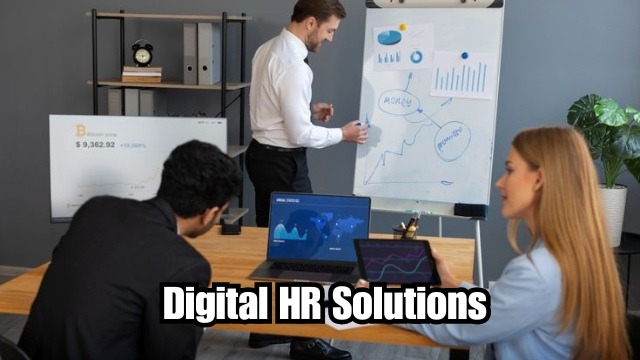
Understanding Digital HR Solutions in Contemporary Business
Digital HR solutions encompass the comprehensive suite of technologies that modernize human resource functions across organizations. These platforms integrate cloud computing, artificial intelligence, and advanced analytics to streamline workforce management processes. Rather than relying on manual paperwork and disconnected systems, enterprises now leverage unified platforms that connect every aspect of the employee journey.
The evolution of human resource technology began with basic payroll automation in the 1970s. Early systems focused primarily on administrative efficiency and record keeping. However, the landscape shifted dramatically with internet adoption and software as a service models emerging in the early 2000s. Today, digital HR solutions represent sophisticated ecosystems incorporating machine learning algorithms that predict outcomes and recommend actions.
Modern workforce management requires tools capable of handling complexity at scale. Organizations operate across multiple geographies with diverse employee populations expecting personalized experiences. Digital HR solutions address these demands by providing consistent yet adaptable frameworks that serve headquarters and remote locations equally well.
The Role of Predictive Analytics in Human Capital Management
Predictive workforce analytics transforms how organizations approach talent decisions. Instead of reacting to problems after they occur, leaders anticipate challenges and implement proactive interventions. These capabilities represent a fundamental shift from historical reporting toward forward looking intelligence that shapes strategy.
Analytics platforms aggregate data from multiple sources including performance reviews, engagement surveys, compensation records, and external market information. Sophisticated algorithms identify patterns invisible to human observation. The insights generated enable precise forecasting of turnover risks, succession gaps, and skill shortages before they impact operations.
Digital HR solutions incorporating predictive capabilities deliver measurable advantages over traditional approaches. Recruitment teams identify candidates most likely to succeed based on attributes correlated with high performance. Learning systems recommend development opportunities aligned with individual career trajectories and organizational needs. Compensation models optimize budget allocation while maintaining equity and competitiveness.
Key Components of Analytics Driven HR Platforms
Effective people analytics platforms require several foundational elements working together seamlessly. Data integration layers consolidate information from disparate sources into unified repositories. These connections must handle real time synchronization while maintaining accuracy and security protocols.
Visualization dashboards present complex information through intuitive interfaces accessible to non technical users. Leaders at every level should understand workforce metrics without requiring specialized training. Interactive reports enable exploration and discovery rather than passive consumption of predetermined views.
Machine learning engines power the predictive capabilities that distinguish advanced platforms from basic reporting tools. These algorithms improve continuously as they process additional data, refining accuracy over time. Organizations benefit from systems that become smarter with use rather than remaining static.
Benefits of Enterprise Wide HR Technology Implementation
Comprehensive digital HR solutions implementation generates significant returns across multiple dimensions. The following outcomes represent commonly observed benefits among organizations that execute effectively:
- Reduced administrative burden through automated workflows that handle routine transactions without manual intervention while maintaining compliance standards.
- Enhanced employee experiences resulting from self service portals that provide instant access to information and enable transactions anytime from any device.
- Improved decision quality as leaders access accurate real time data rather than relying on intuition or outdated reports compiled manually.
- Greater organizational agility enabling rapid responses to changing conditions through configurable systems that adapt without extensive customization projects.
- Strengthened compliance posture with built in controls that enforce policies consistently and generate audit trails automatically.
Digital HR solutions also contribute to talent acquisition and retention outcomes. Candidates encounter streamlined application processes that respect their time while collecting necessary information. Employees experience consistent support throughout their tenure from onboarding through eventual offboarding.
Challenges and Implementation Considerations
Despite compelling advantages, organizations encounter obstacles when deploying enterprise HR technology platforms. Legacy system dependencies create integration complexities that demand careful planning. Many enterprises operate aging infrastructure incapable of supporting modern application programming interfaces.
Change management represents another significant challenge requiring sustained attention. Employees accustomed to familiar processes may resist adopting new tools regardless of objective improvements. Digital HR solutions succeed only when users embrace them willingly rather than reluctantly complying with mandates.
Data quality issues frequently undermine analytics initiatives before they deliver value. Predictive models require accurate historical information to generate reliable forecasts. Organizations must invest in cleansing existing records before expecting meaningful insights from advanced algorithms.
Strategies for Successful Adoption
Phased implementation approaches reduce risk while building organizational confidence incrementally. Beginning with contained pilot programs allows teams to identify issues before enterprise wide deployment. Lessons learned inform subsequent phases, improving outcomes progressively.
Executive sponsorship proves essential for overcoming resistance and securing necessary resources. Senior leaders must visibly champion digital HR solutions initiatives, communicating strategic importance consistently. Their engagement signals organizational commitment that influences adoption behaviors throughout hierarchies.
Training programs equip users with skills needed to leverage new capabilities effectively. These investments should extend beyond initial deployment, providing ongoing support as features evolve. Communities of practice connect practitioners who share experiences and solve problems collaboratively.

Industry Applications and Practical Examples
Healthcare organizations utilize digital HR solutions to manage complex credentialing requirements and scheduling demands. Predictive analytics identify burnout risks among clinical staff, enabling interventions before turnover occurs. Workforce planning models ensure adequate coverage across facilities while controlling labor costs.
Financial services firms leverage people analytics to strengthen compliance and reduce operational risk. Automated monitoring detects potential issues before they escalate into regulatory concerns. Talent intelligence platforms identify emerging skill requirements as technology transforms traditional roles.
Manufacturing enterprises embrace integrated platforms that connect human resource functions with operational systems.HR solutions enable dynamic workforce allocation responding to production demands in real time. Analytics dashboards provide visibility into productivity metrics alongside traditional HR indicators.
Technology companies utilize advanced platforms supporting distributed workforces spanning multiple continents. Self service tools empower employees to manage administrative tasks independently regardless of location. Predictive models forecast hiring needs aligned with product roadmaps and growth projections.
Conclusion:
Organizations embracing digital HR solutions position themselves for workforce excellence in increasingly competitive talent markets. The integration of predictive analytics with human capital management creates powerful ecosystems that transform reactive processes into proactive strategies. Success requires thoughtful implementation addressing legacy systems, change management, and data quality challenges.
Enterprises that invest in comprehensive people analytics platforms realize measurable improvements in efficiency, employee experience, and decision quality. Digital HR solutions represent essential infrastructure for modern organizations seeking sustainable growth. As workforce expectations evolve and technology advances, companies leveraging intelligent HR technology will attract, retain, and develop talent more effectively than competitors relying on outdated approaches.