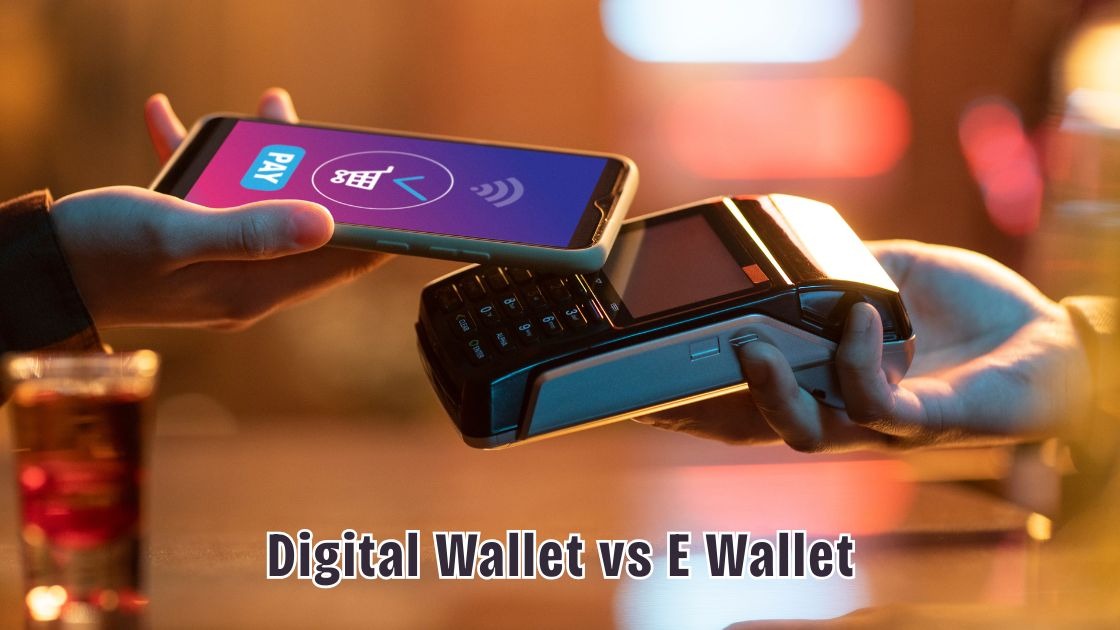
The debate around digital wallet vs e wallet has become more relevant than ever as millions of people shift toward cashless transactions every day. With so many mobile payment options available, it is easy to get confused between these two terms. Are they the same thing? Or do they serve completely different purposes when it comes to managing your money online?
In today’s fast-moving world, understanding how your money moves through electronic payment systems is not just helpful it is essential. Whether you are making contactless payments at a store, sending money through a money transfer app, or shopping through an online transaction platform, knowing the difference between a digital wallet and an e wallet can directly impact your financial safety.
Many people use these terms interchangeably without realizing that there are real differences in how each one stores, processes, and protects your funds. A digital wallet typically connects to your bank account or credit card, while an e wallet often holds a stored balance within the app itself. This distinction matters, especially when we talk about payment security and the risk of fraud.
In this article, we will break down the digital wallet vs e wallet comparison in simple, easy-to-understand language. You will learn how each one works, where they differ in terms of safety features, and which option offers better protection for your hard-earned money. By the end, you will have the clarity needed to make a confident and informed choice about your preferred digital payment method. Let’s dive in and settle this once and for all.
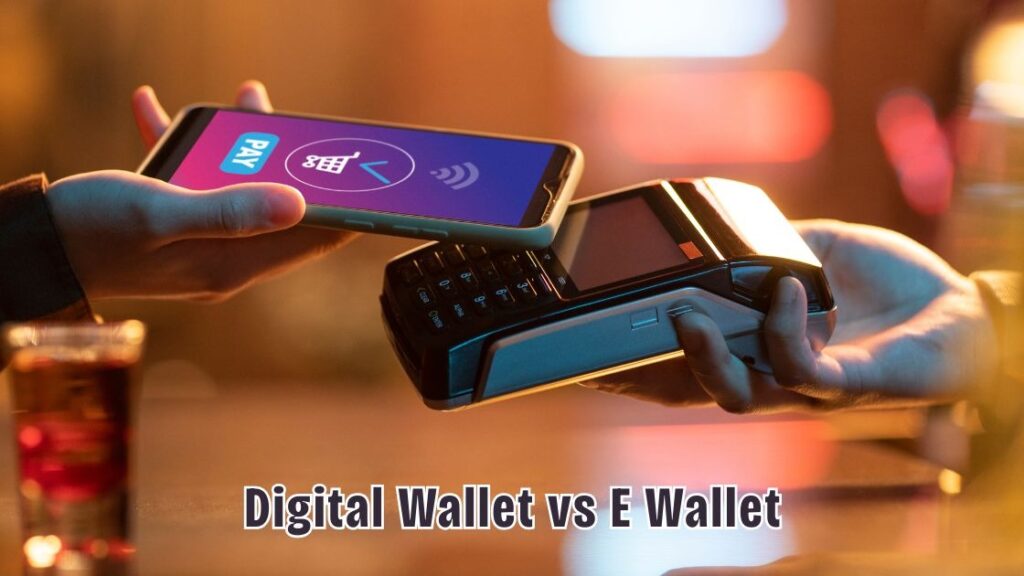
Understanding the Basics: What Are Digital Wallets and E Wallets?
Before we jump into the digital wallet vs e wallet safety debate, it is important to understand what each term actually means. These two payment methods may look similar on the surface, but they function quite differently behind the scenes.
What Is a Digital Wallet?
A digital wallet is a software based application that securely stores your payment credentials, including credit cards, debit cards, and bank account details. It acts as a virtual version of your physical wallet, allowing you to make contactless payments, online purchases, and in store transactions without carrying cash or cards. Popular examples include Apple Pay, Google Pay, and Samsung Pay. These platforms use tokenization and encryption technology to protect your financial data during every transaction.
What Is an E Wallet?
An e wallet, also known as an electronic wallet, is a prepaid digital account where you can load and store money directly within the app. Unlike a digital wallet that links to your bank, an e wallet holds a separate stored balance. You top it up using bank transfers, cash deposits, or card payments and then use that balance for purchases or money transfers. Well known e wallets include PayPal, Paytm, and GCash. They are especially popular in regions where traditional banking access is limited.
Digital Wallet vs E Wallet: Key Differences You Should Know
Now that we have the definitions clear, let us explore how the digital wallet vs e wallet comparison plays out across several important factors. Understanding these differences will help you decide which option aligns better with your financial habits and security expectations.
How They Store Your Money
The biggest distinction in the digital wallet vs e wallet discussion is how each one handles your funds. A digital wallet does not hold any money itself. It simply connects to your existing bank account or card and facilitates payments on your behalf. An e wallet, on the other hand, requires you to deposit funds into the app before you can spend them. This means your money sits inside the e wallet platform until you use it.
Transaction Process and Speed
Both payment methods offer fast and convenient transactions, but the process differs slightly. A digital wallet communicates directly with your bank or card issuer to authorize each payment in real time. An e wallet processes payments from your preloaded balance, which often makes transactions even quicker since there is no need for bank authorization at the point of sale. For everyday mobile payment needs, both options deliver a seamless experience.
Security Features Compared
Security is the heart of the digital wallet vs e wallet conversation. Here are five critical security features worth comparing.
- Tokenization: Digital wallets use tokenization to replace your card details with unique codes during transactions, adding a strong layer of protection against fraud.
- Two Factor Authentication: Most e wallets require two factor authentication including PINs, OTPs, or biometric verification before processing any payment.
- Encryption Technology: Both digital wallets and e wallets use end to end encryption to safeguard your personal and financial data from hackers.
- Fraud Monitoring: Digital wallets backed by major tech companies often include real time fraud detection systems that flag suspicious activity instantly.
- Fund Exposure: With an e wallet, only the preloaded amount is at risk in case of a breach, whereas a compromised digital wallet could potentially expose your entire bank account.
Which One Is Safer for Your Money?
This is the question at the core of every digital wallet vs e wallet comparison. The truth is, both options come with strong security measures, but they protect your money in different ways.
Digital Wallet Safety Advantages
Digital wallets benefit from the security infrastructure of banks and major financial institutions. Since they do not store actual card numbers on your device, the risk of data theft is significantly reduced. Additionally, features like biometric authentication and device level security make unauthorized access extremely difficult. If your phone is lost or stolen, you can remotely lock or wipe your digital wallet without losing any funds.
E Wallet Safety Advantages
E wallets offer a unique safety advantage through fund isolation. Because you only load a specific amount into your e wallet, your primary bank account remains untouched even if the e wallet is compromised. Many e wallet providers also offer buyer protection programs and dispute resolution services, which add extra layers of consumer safety for online shopping and peer to peer transfers.
So Which One Wins?
In the digital wallet vs e wallet safety showdown, the answer depends on your usage pattern. If you prefer keeping your bank account connected for larger, everyday transactions, a digital wallet with tokenization and biometric security is an excellent choice. If you want to limit your exposure and only spend what you load, an e wallet gives you tighter control over your money.
Tips for Staying Safe With Any Payment Method
Regardless of where you stand in the digital wallet vs e wallet debate, these five practical tips can help you maximize your payment security.
- Always enable biometric login or strong PIN protection on your wallet app.
- Keep your smartphone operating system and wallet applications updated to the latest version.
- Avoid using public Wi Fi networks when making financial transactions or accessing your wallet.
- Regularly monitor your transaction history and report any unauthorized activity immediately.
- Only download wallet apps from official app stores to avoid installing malicious software.
Real World Use Cases: When to Choose Which
Understanding the digital wallet vs e wallet distinction becomes easier when you see how each one fits into daily life. A digital wallet is ideal for people who want a quick, cardless checkout experience at retail stores, restaurants, and online platforms. It works best for those who are already comfortable linking their bank accounts to mobile apps.
An e wallet is a better fit for freelancers receiving international payments, travelers who need a secure way to carry funds, and users in regions with limited banking infrastructure. It is also a smart choice for budget conscious individuals who want to set spending limits by loading only a fixed amount.
The digital wallet vs e wallet choice ultimately comes down to personal preference, financial habits, and the level of control you want over your money. Both technologies continue to evolve rapidly, and the good news is that security standards across the entire cashless payment ecosystem are getting stronger every year.
Conclusion
The digital wallet vs e wallet debate does not have a one size fits all answer, and that is perfectly okay. Both payment methods have proven themselves as secure, convenient, and reliable options for managing money in today’s cashless world. A digital wallet shines when you want seamless integration with your bank account and the added protection of tokenization and biometric security. An e wallet stands out when you prefer to control your spending by loading a fixed balance and keeping your primary bank details separate from everyday transactions.
What truly matters is understanding how each option works and choosing the one that matches your lifestyle, financial goals, and comfort level with technology. Whether you rely on contactless payments at your favorite store, send money through peer to peer transfers, or shop through online payment platforms, both tools are designed to keep your funds protected.
As mobile payment technology continues to advance, the security features on both digital wallets and e wallets will only get stronger. The smartest move you can make right now is to stay informed, practice safe transaction habits, and pick the electronic payment method that gives you the most confidence.
We hope this digital wallet vs e wallet guide has given you the clarity you needed. Take a moment to evaluate your needs, explore your options, and step into the future of secure digital payments with peace of mind.