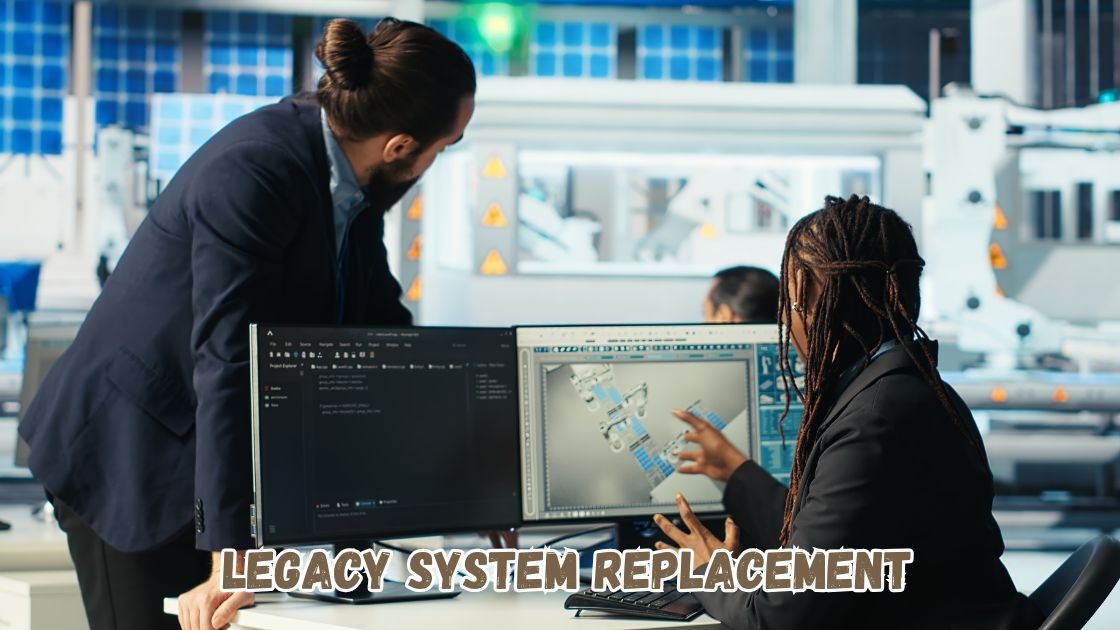
Every growing organization eventually faces the challenge of legacy system replacement the critical process of retiring outdated technology that no longer supports modern business demands. Aging infrastructure creates bottlenecks, increases security vulnerabilities, and drives up maintenance costs that drain valuable resources year after year. Yet, despite the urgency, many businesses hesitate because the process feels overwhelming and risky.
This guide is designed to change that. We will walk you through a clear, practical roadmap for system modernization, covering everything from initial assessment and data migration planning to selecting the right cloud-based solutions and managing IT infrastructure upgrades. Whether you are dealing with monolithic software or fragmented databases, you will learn how to approach legacy system replacement with confidence and minimize operational downtime. By the end, your team will have a proven framework to execute a smooth and successful digital transformation strategy.
What Is Legacy System Replacement and Why Does It Matter?
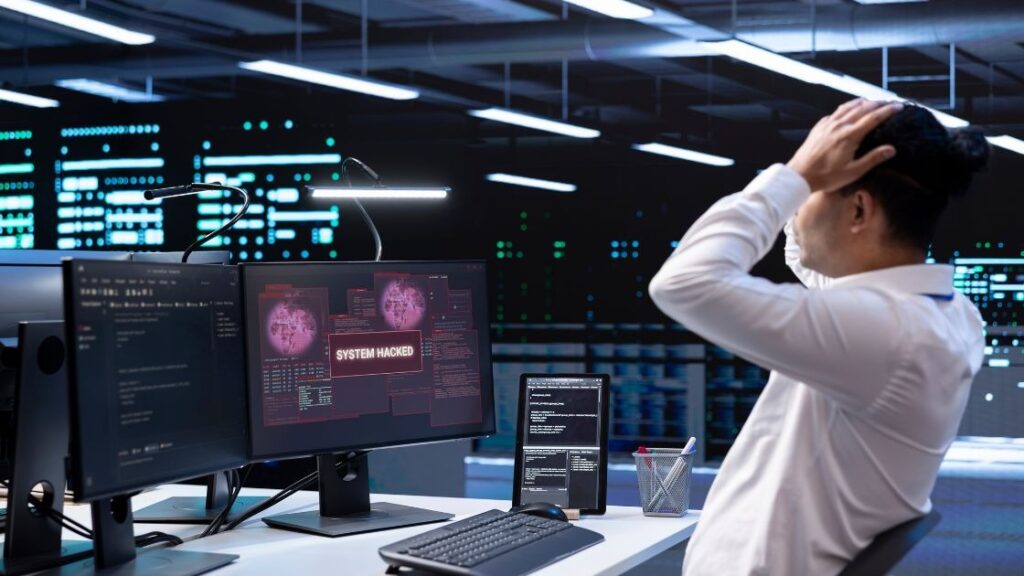
At its core, legacy system replacement refers to the structured process of retiring outdated software or hardware and transitioning to modern, scalable alternatives. Many organizations continue relying on systems built decades ago simply because they still “work.” However, these aging platforms often lack integration capabilities, pose serious cybersecurity risks, and require specialized knowledge that is becoming harder to find. Understanding why this transition matters is the first step toward building a future-ready organization.
The significance of legacy system replacement extends beyond technology. It directly impacts operational efficiency, customer experience, and long-term profitability. Companies that delay modernization often find themselves spending more on patching old systems than it would cost to implement new ones entirely.
Key Signs Your Organization Needs System Modernization
Recognizing the Warning Signals
Not every old system needs immediate replacement, but certain red flags should not be ignored. If your current infrastructure is creating more problems than it solves, it is time to evaluate your options seriously.
- Frequent system crashes and extended downtime are disrupting daily operations.
- Integration with modern tools, APIs, or cloud platforms is extremely limited.
- Maintenance costs have been steadily increasing year over year.
- Your vendor no longer provides security patches or technical support.
- Employee productivity suffers due to slow and unintuitive software interfaces.
When multiple signs appear together, delaying legacy system replacement becomes a costly risk rather than a safe decision.
How Legacy System Replacement Works: A Step by Step Process
Assessment and Discovery Phase
Every successful legacy system replacement begins with a thorough assessment. This involves auditing your existing IT infrastructure, documenting all dependencies, and identifying which components are mission critical. During this phase, stakeholders from every department should contribute insights to ensure nothing is overlooked. A detailed technology audit creates the foundation for a realistic migration plan.
Planning and Strategy Development
Once the assessment is complete, the next step is creating a comprehensive migration strategy. This includes setting clear objectives, establishing timelines, and choosing between approaches like phased migration, parallel running, or a complete cutover. Your data migration planning should address how information will be transferred, validated, and secured throughout the process. Budget allocation and risk management also play a vital role at this stage.
Execution and Deployment
With a solid plan in hand, the actual legacy system replacement execution begins. Development teams configure the new platform, migrate data in stages, and conduct rigorous testing at every milestone. User acceptance testing ensures the new system meets business requirements before going live. A well-coordinated deployment minimizes operational disruption and keeps all teams aligned.
Post Migration Support and Optimization
The process does not end at deployment. Continuous monitoring, performance optimization, and employee training are essential to maximize the return on your investment. Gathering feedback early helps identify gaps and fine-tune the system for peak performance. Ongoing IT infrastructure management ensures long-term stability and scalability.
Benefits of a Well Executed Legacy System Replacement
Organizations that approach legacy system replacement strategically unlock significant advantages that go far beyond just having newer technology.
- Enhanced security through modern encryption, compliance tools, and regular update cycles.
- Improved scalability that supports business growth without expensive overhauls.
- Reduced operational costs by eliminating expensive maintenance contracts and manual workarounds.
- Better employee productivity with intuitive interfaces and faster processing speeds.
- Seamless integration with cloud-based solutions, third-party applications, and automation platforms.
These benefits compound over time, making legacy system replacement one of the highest return investments an organization can make in its digital transformation journey.
Common Challenges and How to Overcome Them
Managing Organizational Resistance
Getting people on board with new technology remains the single hardest part of any modernization effort. Employees accustomed to existing workflows may view new systems with skepticism. Transparent communication, early involvement, and proper change management strategies can ease this transition significantly.
Avoiding Data Loss During Migration
Data integrity is a top concern during any legacy system replacement project. Implementing robust backup protocols, running parallel systems temporarily, and performing multiple rounds of validation testing are proven ways to safeguard critical business data.
Staying Within Budget and Timeline
Scope creep is a common challenge. Clearly defined milestones, regular progress reviews, and agile project management methodologies help teams stay on track without sacrificing quality. Setting realistic expectations from the beginning prevents costly surprises later.
Conclusion
Successfully navigating legacy system replacement requires careful planning, cross-team collaboration, and a commitment to long-term improvement rather than quick fixes. From conducting a thorough technology audit to executing a phased data migration and providing post-deployment support, every step plays a critical role in achieving a seamless transition.
Organizations that embrace legacy system replacement as part of their broader digital transformation strategy position themselves for greater security, scalability, and operational efficiency. The key is to start with a clear roadmap, invest in proper change management, and treat modernization as an ongoing journey rather than a one-time project.